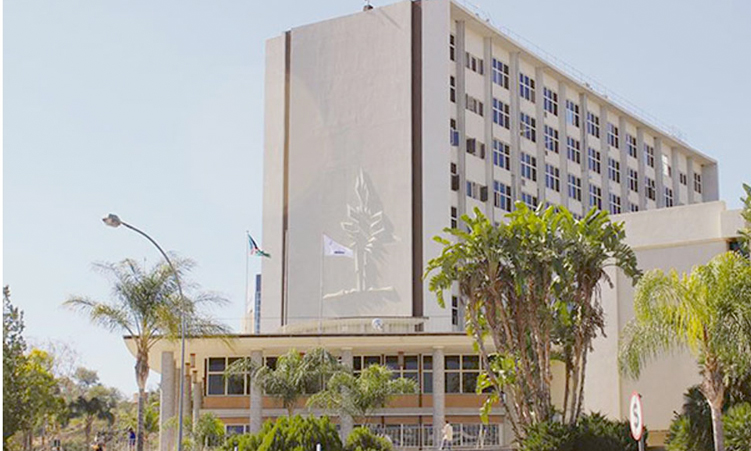








The City of Windhoek is set to spend N$3.3 million on 170 employees and 11 councillors to attend the 2026 Southern Africa Inter-Municipal Sports Association (Saimsa) games in Eswatini.
The sport games cost comes just a month after the municipality said it was battling an annual funding shortfall of around N$300 million.
The reported cost allocation has raised questions about whether such spending is appropriate at a time when the municipality faces financial and service-delivery pressures.
City communications manager Harold Akwenye yesterday confirmed that the city will participate in the games, scheduled for 20 to 25 September, but said the final composition of the delegation remains subject to approval processes and final arrangements.
They are expected to travel this Thursday, a source has confirmed, at a cost of about N$3.3 million, with the source questioning the rationale of such huge cost amid the municipality’s financial struggles.
Akwenye, however, did not confirm or deny the cost, but said the final cost would depend on the number of employees and councillors ultimately approved to travel, as well as logistical requirements.
He explained that the expenditure is expected to cover transportation, vehicles, accommodation, food, subsistence and travel allowances, as well as related logistical and security requirements.
“The final composition of the delegation, including the number of employees and councillors travelling, remains subject to the applicable approval processes and final arrangements,” Akwenye says.
Akwenye, however, says employees would not be released in a manner that compromises essential municipal services.
“Employees will not be released in a manner that compromises essential municipal services,” he says, adding that departments are expected to put operational arrangements in place to ensure continuity during the Games.
He says the final delegation would also be determined with consideration given to operational requirements and available capacity.
The city is also engaging relevant authorities on the required approvals for international travel, Akwenye says, adding that the applicable directive on travel outside Namibia is being observed.
The city’s participation, he says, should not be viewed purely as recreational.
According to Akwenye, the games promote employee wellness while also creating opportunities for teamwork, relationship-building, networking and interaction between municipal employees and officials from across the region.
“These engagements can contribute to improved cooperation, employee morale, communication and institutional relationships,” he said.
Akwenye says employee wellness forms part of the city’s broader organisational objectives, arguing that participation in sport can encourage physical activity, reduce lifestyle-related health risks and strengthen team cohesion and morale.
The city is mindful of its financial position and the need to use public funds responsibly, he says.
“The decision to participate in the Saimsa games must therefore be considered within the broader objectives of employee wellness, institutional development and regional municipal cooperation,” Akwenye says.
He acknowledges the importance of value for money, saying the city would continue assessing the costs and benefits associated with its participation.
Akwenye also rejects the suggestion that the objectives could simply be achieved through a local sporting event.
He says the games are hosted on a rotational basis by participating municipalities and provide a regional platform that “cannot be fully replicated by a local event”.
The number of councillors included in the delegation has also raised questions about the purpose and cost of their participation. Akwenye says employees and councillors travelling as part of the official delegation would remain subject to municipal rules and codes of conduct.
He says the city would ensure participation complies with approved policies, financial controls, travel requirements and employee conduct standards.
The city is expected to provide the final delegation numbers, approved budget and confirmation of relevant travel approvals once the processes have been concluded.
REQUEST NOT SEEN
The executive director in the Ministry of Urban and Rural Development Wilhelmine Shivute yesterday said she was unaware of any approval for the city’s delegation to attend the games, scheduled for next week.
“Usually they are supposed to send their request to me and then the minister. I have been in my office since last week and this week and I have not seen such a request from the City of Windhoek. Maybe it is still coming”, she says.
Political analyst Sakaria Johannes yesterday questioned the City of Windhoek’s planned trip to Eswatini, saying the municipality had not yet submitted its approval request to the responsible ministry, which is concerning because the city is expected to obtain approval for out of the country travel by local authorities.
“The ministry has not received that approval request for the trip. Why are they hiding and not asking for approval,” he says.
Johannes questions whether spending millions on the trip was justified while Windhoek continues to struggle with potholes, infrastructure needs and other service-delivery pressures.
He says the municipality could have considered cheaper alternatives, including organising local sport activities instead of sending such a large delegation abroad.