Namibia’s urban areas are expanding rapidly, yet local authorities often struggle to respond effectively for sustainable urban growth.
One key missing piece is localised digital cadastral repositories.
A digital cadastral repository is an integrated, inhouse system containing property boundaries, land tenure, land value and land use data.
Without such systems, urban planning decisions are frequently made with incomplete and outdated information, leading to inefficiencies, duplication and missed opportunities.
My research on spatial data sharing in Namibian public land administration organisations establishes that cadastral data are the most used data within land administration organisations and beyond.
However, research also confirms a persistent challenge: most local authorities rely on fragmented, paper-based data sets, largely from external consultants and national repositories.
These arrangements delay decision-making, reduce local ownership of critical land information, expose local authorities to unnecessary expenses and the use of low data quality.
DATA GAPS
The absence of digital, in-house cadastral data systems creates a data gap that undermines urban development, governance and service delivery.
To address this, local authorities are urged to invest in building and maintaining their own digital cadastral systems.
In-house repositories give planners, engineers and decision-makers access to accurate, up-to-date and locally relevant data.
They also foster a culture of collaboration, allowing departments within local authorities to coordinate effectively on infrastructure development, informal settlement upgrading, and climate-change responses.
An essential advantage is the existing capacity development framework.
The Namibia University of Science and Technology (Nust) has been pivotal in equipping graduates with expertise in geomatics, geoinformation, property valuation and land administration primarily to support national land administration and reform activities.
Local authorities must actively recruit these skilled graduates to develop and sustain their own digital cadastral systems, reducing reliance on external consultants and ensuring that data management remains contextually relevant, continuously updated, and fully integrated into local planning processes.
SYSTEMIC SUPPORT
Digital, in-house cadastral systems also strengthen transparency, support participatory planning, and enable equitable land allocation.
The National Spatial Data Infrastructure Policy of 2015 encourages data sharing, but without locally managed, digital repositories, these policies remain aspirational.
My findings show that organisational factors including leadership and staff capacity, and internal data sharing practices largely influence spatial data sharing, consequently the use for planning.
I strongly believe that a robust, in-house digital cadastral system, staffed with locally trained experts, is more than just a technical tool; it is the backbone of sustainable urban development and efficient service delivery.
An in-house digital cadastral system will contribute to achieving national developmental goals for industrialisation, digitalisation and innovation.
Therefore, a call to action is for Namibia’s local authorities to close the “data gap” by taking ownership of their land data by creating in-house digital repositories, and by recruiting graduates with the technical skills to effectively manage them.
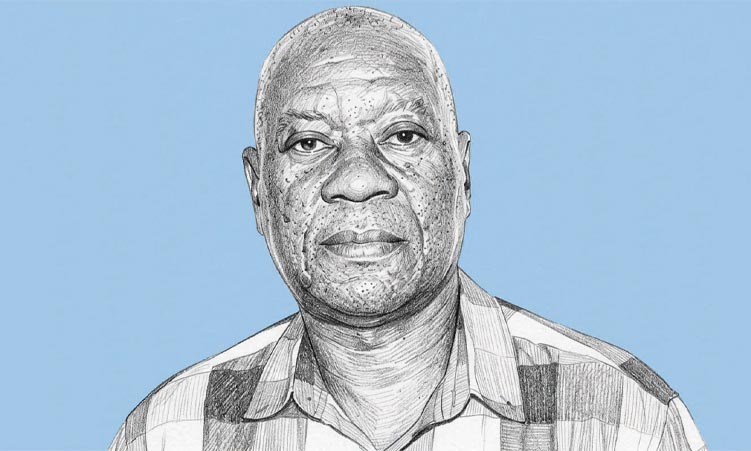
- Celina Awala is a lecturer and researcher in the department of land and spatial sciences at Nust. She holds a PhD focusing on spatial data sharing in public-sector land administration organisations in Namibia. She is committed to advancing spatial data management for effective land governance.