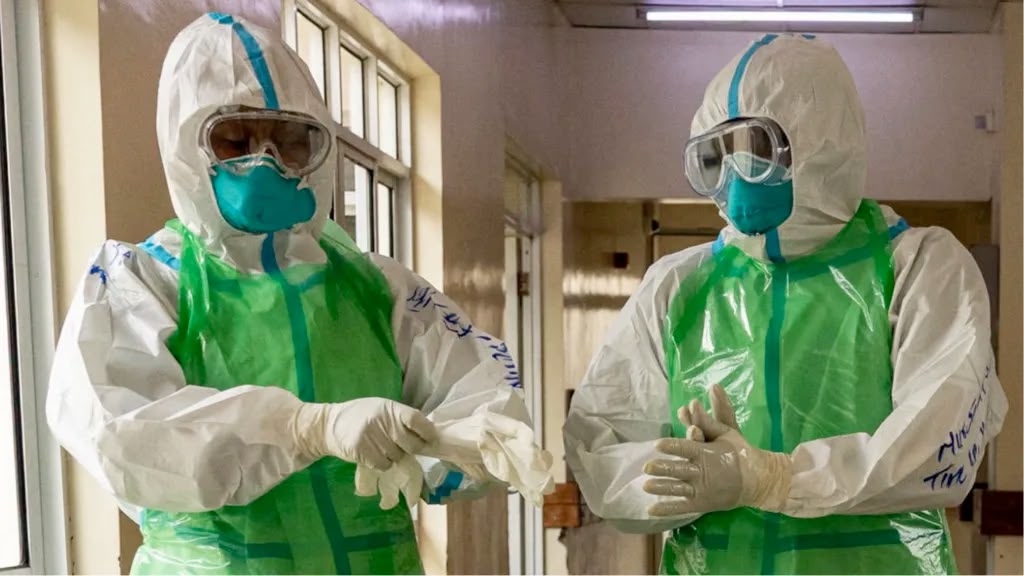





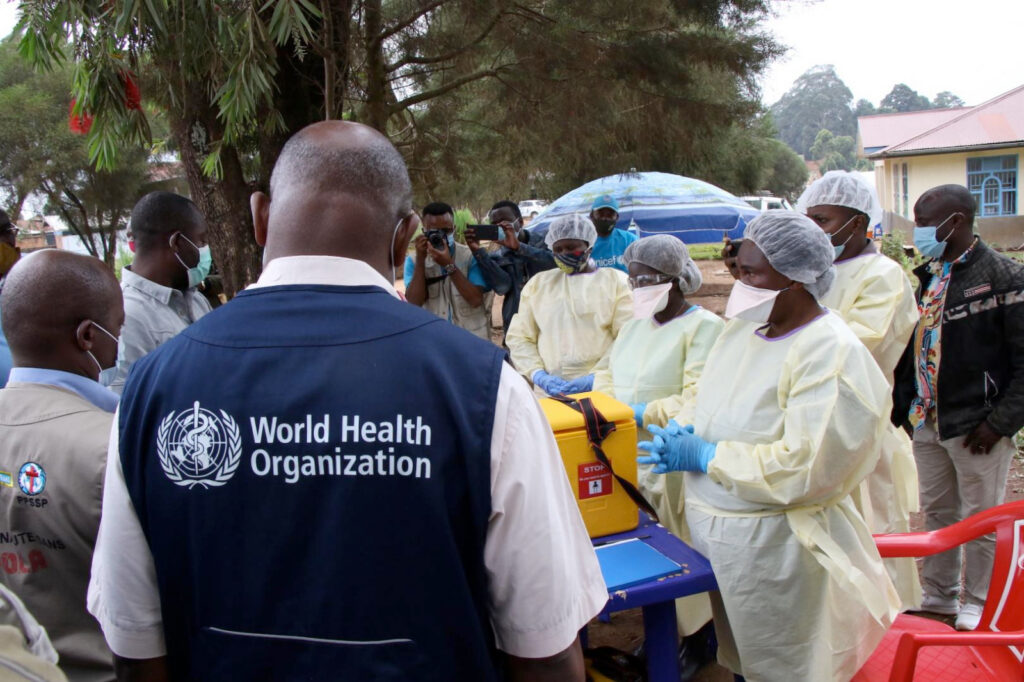
As a deadly Ebola outbreak continues to spread across parts of Central Africa, South Africa’s Border Management Authority (BMA) says it has intensified screening and surveillance measures at ports of entry to prevent the virus from entering the country.
The outbreak has claimed at least 61 lives and resulted in 359 cases, with the vast majority concentrated in the Democratic Republic of Congo (DRC).
As health authorities work to contain transmission and communities grapple with fear, disruption and uncertainty, concerns have been raised about the potential risk to neighbouring countries.
However, the BMA has moved to reassure South Africans that screening and monitoring systems remain active and vigilant at all ports of entry.
“BMA port health officials implement necessary screening measures at the ports of entry, which include monitoring of conveyances arriving from international arrivals, and in this case, priority will be given to flights from the affected countries (DRC and Uganda) to ensure compliance with international health regulations (2005),” spokesperson Mmemme Mogotsi says.
She says screening measures include temperature checks on arriving travellers, interviews to establish travel history and determine whether travellers have recently visited affected countries, as well as visual assessments of passengers who appear unwell.
Mogotsi also confirmed that the BMA participates in the multisectoral national outbreak response team.
“Should port health identify any suspected or ill traveller on arrival, the provincial department of health in that particular province will be notified, which will then trigger a coordinated response to that case or suspected traveller,” she says.
According to health expert Dr Angelique Coetzee, South Africans should remain concerned but not alarmed.
“The number of suspected cases has now dropped significantly after investigations ruled out many people who initially appeared to fit the case definition,” she says.
However, she warns that the World Health Organisation’s primary concern is not necessarily the current number of cases, but the circumstances surrounding the outbreak.
“What the World Health Organisation is most concerned about is not so much the current numbers, but the late detection of the outbreak, the ongoing conflict and insecurity in these affected areas,” Coetzee says.
She highlights the challenges facing containment efforts, including population movement across borders and difficulties accessing some affected communities.
While authorities stress that the current situation is not comparable to the devastating West African Ebola epidemic between 2014 and 2016, concerns remain because of insecurity in affected provinces and the challenges of maintaining surveillance in remote areas.
“We should be concerned, but not alarmed,” Coetzee says. “There are currently no indications of sustained transmission in South Africa.”
She says the risk to the average South African remains low, although health authorities must remain vigilant when assessing travellers arriving from affected regions.
“Ebola is fundamentally different from Covid-19. Ebola generally requires direct contact with bodily fluids.”
Coetzee says there is no need for panic, but stresses that continued vigilance, strong public health systems and international cooperation are essential as the outbreak evolves. – IOL