During the last long weekend three weeks ago, Namibia lost 10 people on our roads.
Those were 10 lives. Ten families changed forever. Ten empty chairs at dinner tables.
Behind every number is a mother, a son, a sister, a friend – someone who expected to arrive home safely but never did.
On the cusp of another long weekend, we face a choice as a nation. Will we allow the same story to repeat itself? Or will we decide – together – that this time will be different?
For many years, we’ve lived with the pain of losing loved ones in crashes that should never have happened.
They are not unavoidable. Many happen because some drivers choose speed over safety, alcohol over responsibility, impatience over care and silence over action.
Research shows Namibia has one of the highest road death rates in the world: about 22 deaths per 100 000 people. This is very high for a population of three million. Compare this with the United Arab Emirates (5.9), the United Kingdom (2.6), Finland (3.0), Norway (1.6), and Switzerland (2.8).
These countries did not reduce road deaths by accident. They did so because their citizens decided it was unacceptable.
Even if we set aside differences in technology and resources, the disparity in numbers should seriously concern us all. Namibia can make the same decision.
TIME TO CHOOSE
Many deaths on our roads are because people speed. Because someone overtakes dangerously. Because tired drivers don’t stop to rest.
Because someone had been drinking before they drove. Because someone saw wrongdoing but looked the other way. Or because sometimes we protect the wrong person.
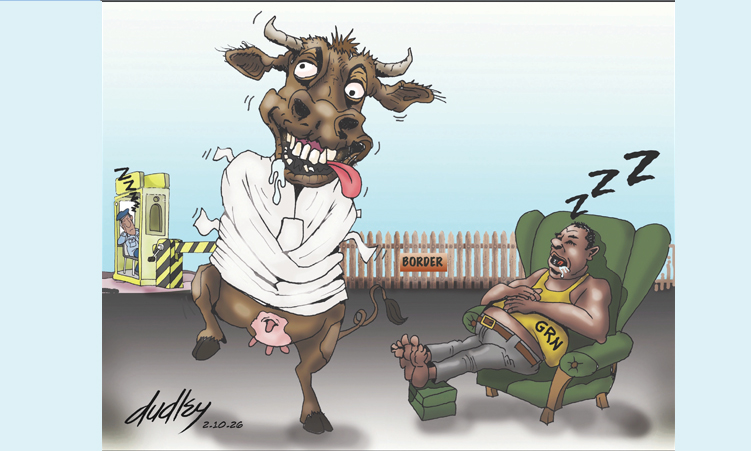
When we see someone driving under the influence, we stay quiet. When we see traffic officers on the road, we warn reckless drivers rather than report them.
When we see wrongdoing by drivers, we keep quiet rather than report it. But silence can cost lives. Sometimes four or five innocent lives are lost in a single crash.
It is better to stop one careless driver today than to bury several loved ones tomorrow.
Even something as simple as warning drivers about police ahead (unexpected roadblocks) can unintentionally help reckless drivers avoid accountability.
Reporting dangerous behaviour can help save lives we may never even know we protected.
So, what can we do to make this coming long weekend safer? We can:
- * Drive slower than usual; arriving late is better than not arriving at all
- * Leave early so we do not rush
- * Travel during daylight when possible
- * Stop every two hours or every 200km to rest
- * Stay alert for animals and erratic drivers
- * Reduce speed when sharing the road with trucks
- * Overtake only when it is completely safe
- * Avoid driving after drinking alcohol
- * Drive with care for the people travelling with us and around us
In recent years, traffic authorities have also been strengthening safety measures. These include: installing dashcams in police and emergency vehicles; monitoring high-risk accident areas; improving livestock visibility along roads; increasing patrols and roadblocks during peak travel periods; strengthening coordination through national road-safety structures.
IT STARTS WITH US
These steps help. But they cannot replace our own decisions when driving. Real change begins with us.
Let’s agree as Namibians that even one preventable death this long weekend is one too many. Every life lost on our roads should pain us deeply.
Road safety is not only a law-enforcement issue. It is a national responsibility that belongs to all of us.
Namibia has some of the best roads in the world. Driving across our country should be one of life’s great experiences, not something families fear every holiday season.
We want tourists to feel safe. We want children to arrive home safely. We want families to return together. We want journeys to become memories, not mourning.
This coming long weekend, each of us can help stop the carnage. We can slow down, plan ahead, and speak up by reporting recklessness.
We can look out for one another. Lives depend on it. If we do, we can make our journeys wonderful experiences.
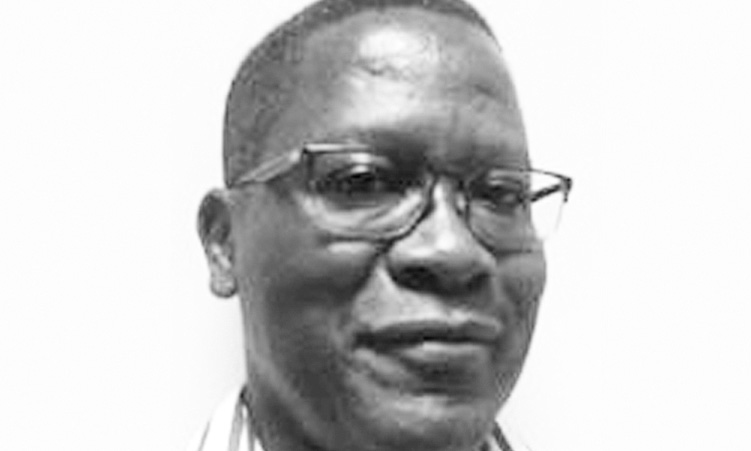
* Seth !Nowaseb is an author and university lecturer. He campaigns for behavioural change on our roads and in personal finance. He writes in his own capacity.