The government has rejected a United States health data and specimen-sharing proposal, citing sovereignty and privacy concerns while seeking alternative funding for HIV programmes.
Government officials last week told The Namibian the country’s objections were raised after proposed funding of mostly HIV and tuberculosis programmes, worth over N$145 million per year, underwent legal scrutiny through the attorney general’s office.
“The Namibian government has made it unequivocally clear that the data-sharing or specimen-sharing agreements in their proposed forms are not in compliance with Namibia’s national laws,” government officials said.
The proposed draft agreement grants the US government extensive, unilateral access to Namibians’ medical information.
“This aspired access, however, infringes upon the constitutional right to privacy and national sovereignty over biological resources,” government officials said.
The objections prompted the US government to confirm in November 2025 that it would withdraw the biological specimen sharing agreement from funding negotiations.
This means while the biological specimen component appears to have been removed, the wider question of health data remains part of the negotiations.
“Negotiations on a broader agreement progressed slowly because matters related to the data-sharing agreement needed to be discussed in detail and resolved,” government officials said.
Government officials said the negotiations, which also involved the Office of the Attorney General, contravened “Namibia’s Access to Biological and Generic Resources and Associated Knowledge Act and the Public and Environmental Health Act by bypassing mandatory requirements for export permits, prior informed consent, and equitable benefit-sharing,” government officials said.
GLOBAL IMPACT
The bilateral agreement, according to the ministry, risks undermining Namibia’s position in ongoing negotiations for the Pathogen Access and Benefit-Sharing (Pabs) system under the World Health Organisation pandemic agreement, conflicting with a commitment to advance Africa’s regional position.
Should Namibia fail to reach an agreement with the US government, the ministry said the government is exploring alternatives to source about N$730 million to fund the country’s HIV-AIDS programmes.
“The potential impact is significant if an agreement is not reached on mutually acceptable terms. The amount for 2027 is about US$45 million (N$730 million),” government officials said.
“Namibia has actively explored contingency funding mechanisms and alternative resources to ensure sustainability and continuity in the provision of essential care and to guard against reversals of the gains that Namibia has made against HIV-AIDS,” government officials said.
This comes after The Namibian last week reported that the government and the US are racing against time to finalise negotiations over new health sector funding, which will determine the future of HIV funding in the country.
The US budget appropriation takes place at the end of next month.
The two governments have been in talks since president Donald Trump’s return to power last year.
His administration has dismantled key donor organisations, such as the United States Agency for International Development, and introduced the America First Global Health Strategy.
This aims to bypass non-profit organisations and provide direct funding to African and Latin-American governments.
British newspaper The Guardian in February reported that up to 20 African countries signed up for the deal and that the rapid push for deals is being seen as part of US manoeuvres to establish and entrench power on the continent.
According to the newspaper, the deals also commit African nations to rely on US regulatory approval of new drugs and technologies before rolling them out.
It added: “The US-Rwanda deal is explicit that it will bring increased US private sector involvement in the country’s health sector.”
A US government source last week told The Namibian that negotiations with Namibia did not include the sharing of personal identifiable data and that there appears to be a misunderstanding of the proposed agreement.
The source said the US would only collect aggregate data. The same person said there is a sentence in the proposed agreement that clearly states Namibia would not be sharing personally identifiable data.
US embassy spokesperson Ryan Bradeen last week said Namibia and US governments are still discussing the future of health assistance.
“We are unable to provide a response at the moment because of the timing of the request. It is a critical moment at which the Namibian and US governments are still discussing future health assistance,” he said.
The Namibian reached out to the US embassy on Sunday, which did not respond by the time of going to print.
Independent Patriots for Change (IPC) member of parliament and shadow minister for the ministry of health Lilani Brinkman in March questioned health minister Esperance Luvindao about concerns regarding the sharing of medical data.
Brinkman asked that the parliament be fully informed.
She at the time questioned whether the government had been formally or informally approached by the US government regarding any new bilateral health funding agreements under its revised global health strategy.
“If so, what are the key terms and conditions proposed? Have any discussions included provisions requiring the sharing of Namibian health data, surveillance information, or biological materials?” she asked.
The ministry has not provided a formal response to Brinkman’s questions.
Brinkman last week told The Namibian she is concerned about the issue of data exchange.
“We are a sovereign country, and the health data of Namibians cannot be treated as a bargaining tool for donor assistance,” she said, adding that the government must stop relying on donors for health funding.
KAMWI COMMENTS
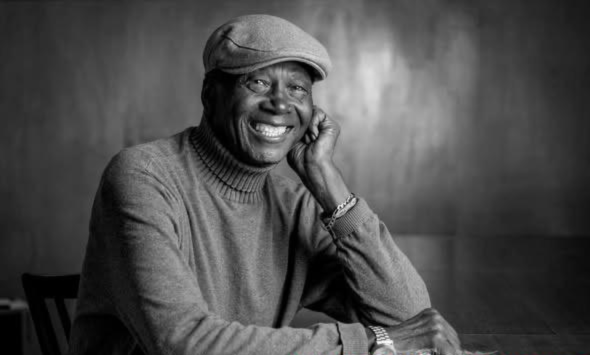
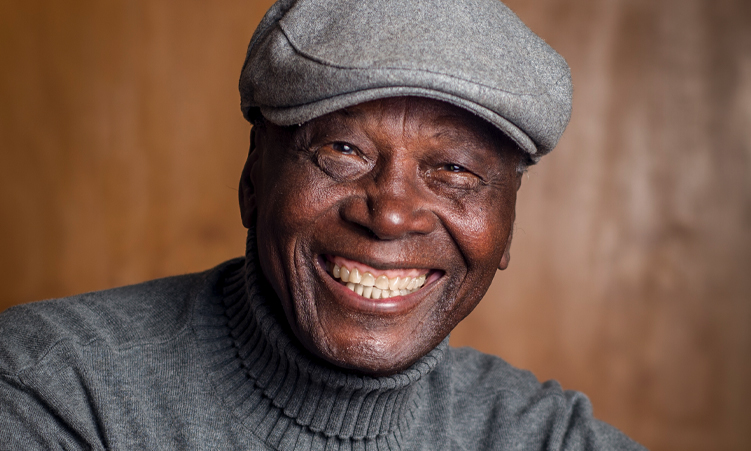
Former health minister Richard Kamwi last week said he supports the government’s decision to reject the sharing of personal data.
“The time has come that we should own Africa … The responsibility of data belongs to Namibia and should be used in the interest of Namibia and not of other countries,” he said.
“We need to reserve our data, and no one has the right to get a sovereign state to be used for other things, except for the World Health Organisation cabinet.
“The issue of sending our data for the Global Fund is sovereign, and they do not have authority because the data belongs to the Namibian people. I stand with the government on this one,” he said.
The US government has been under fire across Africa for using data sharing as a bargaining tool in countries like Zimbabwe, Zambia and Kenya.
US secretary of state Marco Rubio in a 2025 document titled ‘America First Global Health’ said health programme assistance to foreign countries is a mechanism to strengthen bilateral interests around the world.
“Moving forward, we will use our foreign health assistance to advance US priorities and move countries towards resilient and durable local health systems,” he said.
“We will also partner with each country to ensure there are data systems in place that can both monitor potential outbreaks and broader health outcomes,” he said.