





The United States (US) has pitched itself as Namibia’s preferred long-term partner in developing the country’s mining and energy sectors, pledging investment that supports local jobs, skills development and value addition rather than simply extracting raw materials.
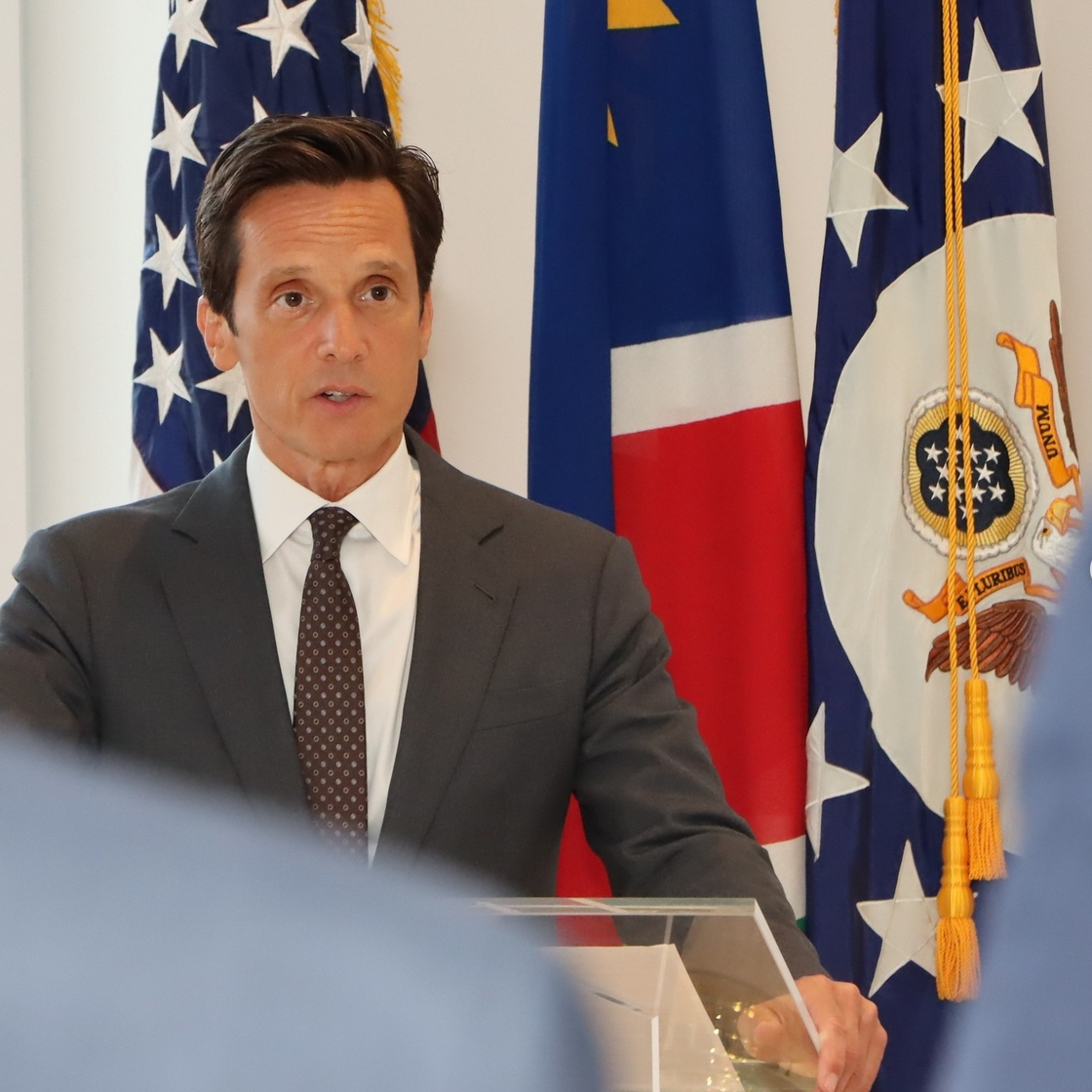
Speaking at a reception hosted by the US embassy yesterday ahead of the Namibia Mining Expo, ambassador John Giordano said American companies are committed to building lasting partnerships that help Namibia get more value from its natural resources.
“The US offers a distinct model of strategic partnership. We build with transparency. We support private enterprise. We innovate. And we create long-term value,” he said.
Giordano said American investors bring world-class technology, disciplined project management and access to deep capital markets while prioritising local hiring, skills transfer and the development of domestic supply chains.
He said the US supports Namibia’s ambitions to move beyond exporting raw materials by investing across the entire value chain, including mining, refining, processing, manufacturing and recycling.
“We are committed to a full value-chain approach,” he said, adding that Namibia’s local growth agenda is “entirely consistent with how American companies create lasting value”.
The ambassador contrasted the American approach with investment models that rely on state-backed financing and opaque contractual arrangements.
“A partner that arrives with state-subsidised capital, opaque contracts and offtake arrangements designed to concentrate control rather than create value is not a strategic partner. It is a strategic liability,” he said.
Although he did not name specific countries, the remarks come as global competition intensifies for access to critical minerals essential for artificial intelligence, renewable energy technologies, electric vehicles and advanced manufacturing.
Giordano said Namibia is well positioned to benefit from this growing demand as the world’s third-largest producer of uranium, with significant rare earth deposits and the rapidly developing Orange Basin oil province.
He said attracting long-term investment would, however, depend less on resource endowment than on maintaining investor confidence.
“Industrial growth is constrained when long-term investors lack the certainty and predictability they need to commit capital,” he said.
According to Giordano, projects such as mines and offshore petroleum developments require billions of dollars in investment over many years, making transparent regulation, political stability and the rule of law critical to investment decisions.
He noted the importance of Namibia’s logistics infrastructure, saying integrated investment in ports, transport corridors, energy production and mineral processing would enable the country to maximise the economic benefits of its resource wealth.
“Resources create opportunity. Systems create prosperity,” he said.
Giordano said Namibia has the institutions and natural resources to become one of the world’s leading energy and critical minerals partners, adding that the US stands ready to help the country.