



Namibia’s rapid urbanisation is straining municipal service delivery, prompting calls for improved governance and accountability.
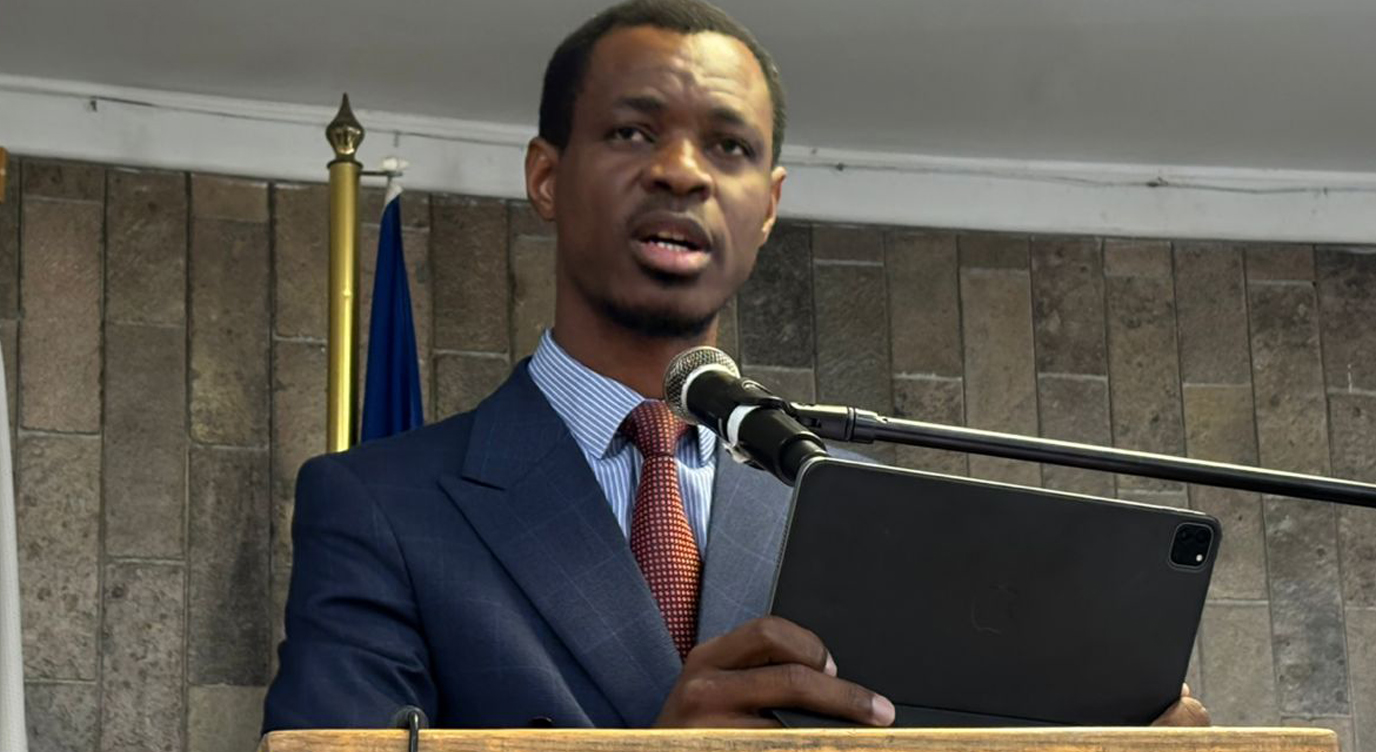
Association for Local Authorities in Namibia president Moses Matyayi has warned that rapid urbanisation continues to strain municipalities’ ability to provide essential services.
Over half of Namibia’s population, about 1.5 million people, live in urban areas.
During a recent gathering held at Ongwediva, Matyayi described the surge as the largest population shift in the country’s recent history.
“Urbanisation presents a complex set of challenges – from infrastructure demands and environmental pressures to rising social inequalities,” he said.
Namibia’s urban centres, including Windhoek, Walvis Bay, Swakopmund, and Ongwediva, remain key drivers of economic activity, collectively generating over 65% of the country’s gross domestic product.
However, this growth comes at a cost.
Local authorities face mounting pressure to deliver serviced land, housing, and critical infrastructure such as roads, water, sanitation, and electricity.
Urban land has become one of Namibia’s most valuable economic assets, yet challenges in land delivery, informality, and infrastructure backlogs persist.
At some towns, informal settlements now accommodate over 40% of urban residents – clear evidence that urbanisation is outpacing planning and service provision.
Matyayi said municipalities must adopt inclusive and resilient strategies aligned with the United Nations Sustainable Development Goals to manage this growth effectively.
Meanwhile, minister of urban and rural development James Sankwasa in a speech recently delivered on his behalf by his deputy, Evelyn Nawases-Taeyele, called for stronger accountability and improved governance within local authorities.
“We must move away from the ‘business as usual’ mentality and ensure every cent of public funds is used to create meaningful impact in the lives of our people,” he said.
The address highlighted the importance of collaboration between elected councillors and municipal staff, stressing the need for mutual respect and a clear understanding of roles between policymakers and administrators.
“When councillors and municipal managers work in harmony, the results are evident in improved service delivery, responsive governance, and increased public trust,” Sankwasa said.
Concerns were also raised about internal conflicts within councils, including political divisions and a lack of cooperation.
Officials were urged to prioritise teamwork, constructive dialogue, and a shared vision for development.
“Differences of opinion are natural in a democracy, but they must not hinder progress.
Only through unity and collaboration can we improve the quality of life for our citizens,” the address concluded.
In an age of information overload, Sunrise is The Namibian’s morning briefing, delivered at 6h00 from Monday to Friday. It offers a curated rundown of the most important stories from the past 24 hours – occasionally with a light, witty touch. It’s an essential way to stay informed. Subscribe and join our newsletter community.

The Namibian uses AI tools to assist with improved quality, accuracy and efficiency, while maintaining editorial oversight and journalistic integrity.
Stay informed with The Namibian – your source for credible journalism. Get in-depth reporting and opinions for
only N$85 a month. Invest in journalism, invest in democracy –
Subscribe Now!