For many young Namibians living in towns, villages and cities, agriculture is often associated with vast commercial farms, endless fields and rural communities far removed from urban centres.
Yet some of the greatest opportunities to produce food, create employment and restore the environment may exist right in the middle of our neighbourhoods.
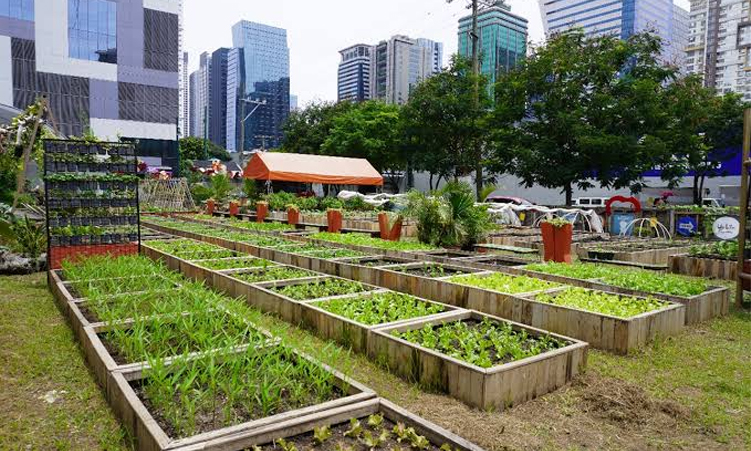
Urban agriculture is much more than growing tomatoes in a backyard. It also includes raising animals that are permitted by local authorities within urban areas, such as chickens, rabbits, pigeons and, in some cases, small livestock.
Across Namibia, vacant plots, neglected open spaces, abandoned buildings and even rooftops have the potential to become centres of food production and economic activity.
As urban populations continue to grow, so do the challenges of unemployment, poverty and food insecurity.
Many young people have limited access to land, water and capital, making traditional farming difficult. However, urban agriculture offers practical alternatives that rely more on innovation and creativity than on large financial investments.
Container gardens, vertical farming systems, rooftop hydroponics, aquaponics and food production in small backyards are proving that it is possible to grow fresh produce in limited spaces. Sack gardens, hanging gardens and greenhouse tunnels are increasingly being used to maximise production in densely populated areas.
Old tyres, buckets, drums, wooden pallets and plastic containers can be converted into productive gardens, while kitchen waste can be transformed into compost that enriches the soil and reduces household waste.
Urban agriculture also extends to the tools and infrastructure that support agricultural activities. Rainwater harvesting systems, drip irrigation, water storage tanks, compost bins, seedling trays and solar-powered pumps all play an important role in sustainable food production.
Rooftops, balconies, school grounds and unused municipal land can be transformed into productive spaces that benefit entire communities.
Urban agriculture provides an opportunity to rethink how we use our surroundings. Abandoned land can be rehabilitated and transformed into green spaces that not only provide food but also improve the quality of life in our communities.
The benefits of urban agriculture extend beyond food production. Fruit trees planted along streets, in schools and in public spaces can beautify neighbourhoods, provide shade, improve air quality and supplement household nutrition.
Young people, women and persons with disabilities can acquire practical skills that enable them to generate an income and contribute meaningfully to their communities.
– Theo Ickua works in agriculture training, producing and landscaping.