We’ve all heard the legend of the Trojan Horse. A cunning gambit by the ancient Greeks who used a wooden horse to enter the city of Troy before winning the Trojan War.
Though the fate of the Trojan Horse is undocumented, a replica can be found in an archeological site in Western Turkey and in Namibia the same can be seen in a photograph on a wall at Restaurant La bonne table at the Franco-Namibian Cultural Centre.
Displaying a collection of photographs by Osman Nuri Yüce, the Embassy of Turkey presents ‘Unesco World Heritage Sites in Turkey’ a photo exhibition depicting the country’s protected sites and other prominent landmarks.
Including celebrated buildings, ruins and statues, Turkey’s Unesco World Heritage sites represent different layers of Anatolian civilization steeped in more than 10 000 years of rich history, including Neolithic, Hellenistic, Roman, Byzantine, Seljuk and Ottoman periods.
At the fore of these historical sites is the Divrigi Great Mosque and Hospital which was the first Turkish building inscribed to the Unesco ’s World Heritage List in 1985. Elaborately decorated and dating back to 1228, the mosque’s intricate stonework can be seen in Yüce’s extreme close-ups of the building’s Portal of Heaven.
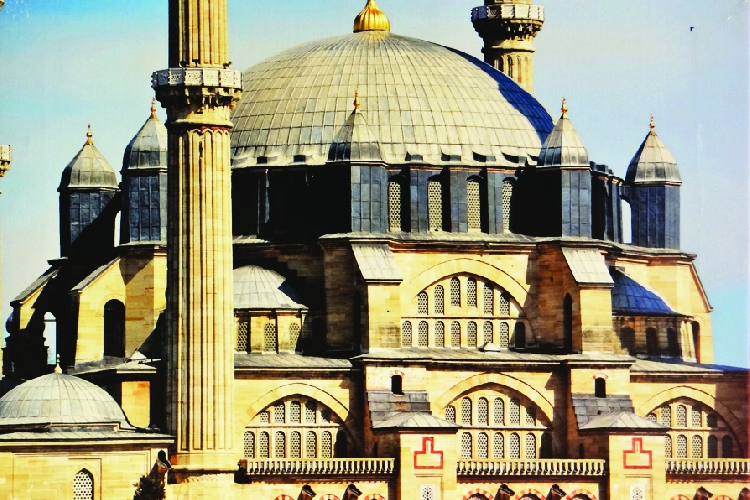
Just as arresting is Yüce’s image of the Great Mosque of Selimiye which dates back to 1584. Magnificently capturing the sense of space, the overlapping arches as well as the flood of natural light through the mosque’s countless windows; Yüce presents the landmark’s interior in a vivid scene of scarlet carpets and towering archways.
With its four minarets on the summit of a hill, Selimiye Mosque is regarded as a triumph of Ottoman architecture and was built between 1569 and 1575 for Sultan Selim II by famed Ottoman architect Mimar Sinan.
Less intact but no less striking are the remains of the Roman theatre at Xanthos which dates back to around 2C AD. Though only a part of the stage and a considerable amount of seats remain, this site and the surrounding area gains fame as the capital city as well as the centre of commerce and culture of ancient Lycia.
Also captured on canvas is the East Terrace of Mount Nemrut. Featuring massive stone sculptures of the disembodied heads of the Eagle Protector, King Antiochus the first and the Goddess Commagene, Mount Nemrut is one of Turkey’s most iconic images and dates back to around 62 BC.
Presenting a wealth of history in the form of beautiful photographs fit for a coffee table book, ‘Unesco World Heritage Sites in Turkey’ is on display until 11 October for those who wish to wander without the annoyance of air tickets.
In an age of information overload, Sunrise is The Namibian’s morning briefing, delivered at 6h00 from Monday to Friday. It offers a curated rundown of the most important stories from the past 24 hours – occasionally with a light, witty touch. It’s an essential way to stay informed. Subscribe and join our newsletter community.

The Namibian uses AI tools to assist with improved quality, accuracy and efficiency, while maintaining editorial oversight and journalistic integrity.
Stay informed with The Namibian – your source for credible journalism. Get in-depth reporting and opinions for
only N$85 a month. Invest in journalism, invest in democracy –
Subscribe Now!