





School of medicine’s first woman associate dean steps down from role
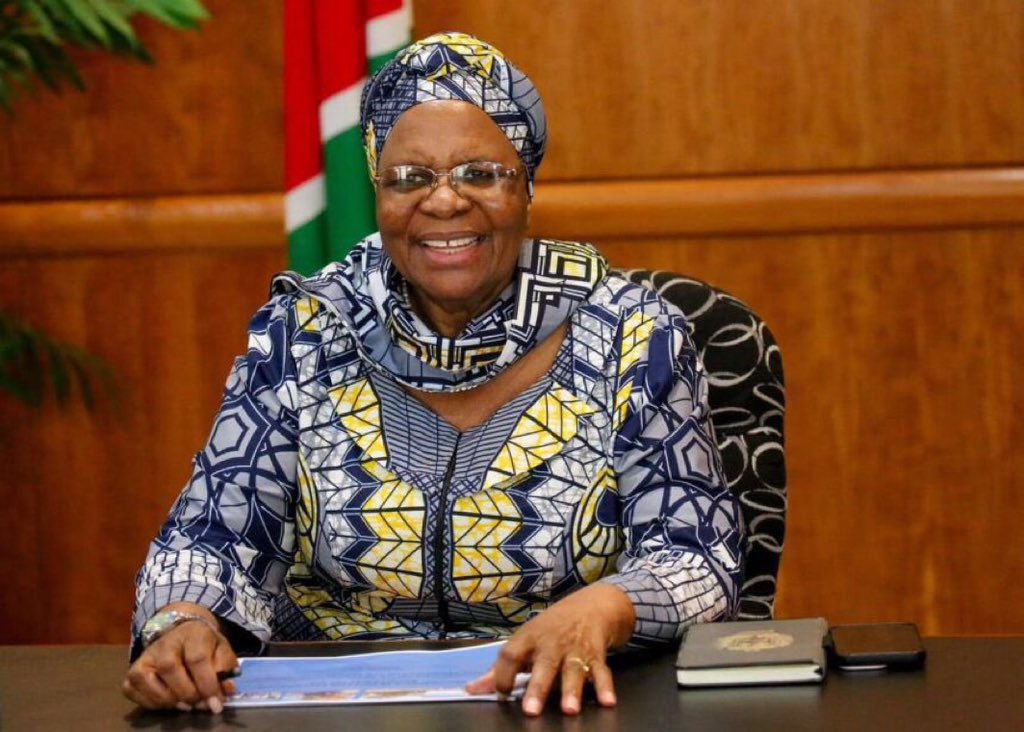
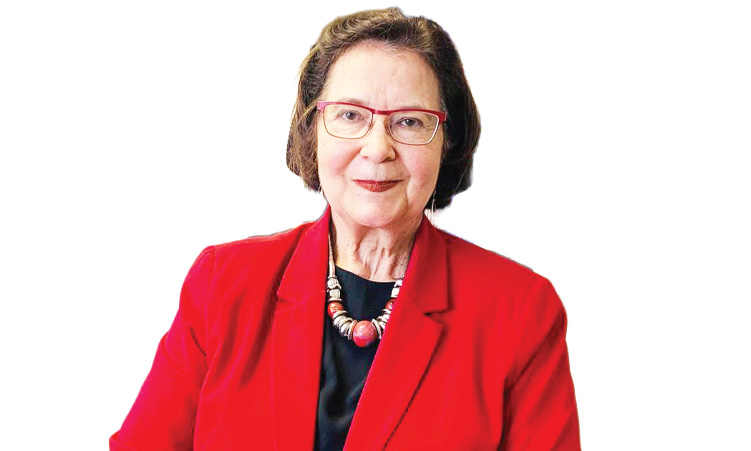
Rehoboth-born medical doctor Felicia Christians, who has stepped down as the University of Namibia’s School of Medicine’s first woman associate dean, has left former students with a valuable lesson.
“Her welcoming and calm spirit made her easily approachable, providing students a safe space to express themselves and get the help they needed,” says former student Dr Ludwig Gaomab.
He says Christians taught her students “persistence and being dependable”, a lesson he will carry for life.
Christians (67), who was instrumental in introducing family medicine at the university as an undergraduate module, retired as associate dean on 31 December 2025 after more than a decade of pioneering local healthcare training.
She joined the institution in 2015 as the head of the family medicine department, a position she held for five years. She later took over from Filemon Amaambo as associate dean.
Christians, however, continues as a senior lecturer.
TEACHING EMPATHY
Christians’ introduction of family medicine has helped reshape how future doctors approach patient care.
“Family medicine, unlike other disciplines, cares for the patient from cradle to grave. It focuses on caring for the whole person in the context of their family and community,” she says.
She says one of the values she teaches her students is empathy.
“We teach students how to communicate with patients in an empathic and patient-centred manner, find out what is happening in the patient’s life, and to not just dismiss them,” she says.
Christians also introduced a postgraduate diploma in family medicine geared for primary care doctors.
HOLISTIC HEALTH
Unam’s School of Medicine has since Christians’ time produced more than 600 medical doctors, an achievement she describes as a critical investment in the country’s healthcare system.
When the school first opened in 2010, medical experts were sceptical about its ability to train doctors locally and about quality being compromised.
Media reports from 2014 indicate that several state and private healthcare facilities were resistant in taking in interns from Unam because of perceived poor training.
Namibian medical students had to travel to South Africa, Russia or Cuba for medical training at the time.
Christians says this changed after the first cohort of students entered their internship, proving the outstanding quality of education at the institution.
She is currently also serving on the Health Professions Council of Namibia’s Medical and Dental Board.
Her time at Unam was preceded by years of clinical and humanitarian work in South Africa on the Cape Flats, at the University of Cape Town, and with the Salvation Army, she says.
“This entailed working as the Salvation Army’s occupational physician and overseeing all their medical expressions, such as hospitals and clinics in southern Africa,” she says.
Christians returned to Namibia in 2012 and continued the work of the Salvation Army, a faith-based organisation with a firm spiritual foundation and a strong social conscience reaching out to marginalised communities, with her husband.
EARLY YEARS
When Christians first entered medical school in the 1970s in Cape Town, opportunities were tightly controlled by apartheid’s segregation laws.
The doctor was among the few non-white students to pursue medicine under this law, a reality that shaped a career defined by community service.
Admission also came with permits as the system demanded black or coloured students to justify why they deserved to study medicine.
Black students were denied access to patients in wards with white patients or to attend postmortems done on the bodies of white people.
Having grown up at Rehoboth with teachers and mentors, Christians says becoming a doctor was a passion which started in her early years.
“My teachers and maternal grandparents, who raised me, were instrumental in nurturing this desire.
They encouraged us to believe we are not inferior to anyone else but could be anything we wanted, even though we lived under a system that forced us to believe otherwise,” she says.
Christians attended Rhenish Primary School and Dr Lemmer High School at Rehoboth in the Hardap region, and later matriculated in Cape Town.
In 1976, she applied to study medicine at the University of Cape Town when she completed high school.
She later worked at the Ministry of Health and Social Services as a specialist family physician, responsible for intern supervision and training and managing primary healthcare clinics, caring for people living with non-communicable diseases.
Her former students, like Gaomab, say they will cherish her quiet strength, and her persistent, dependable and gentle approach to challenges.
“This has been her trademark and something I wish to emulate going forward in my professional and personal journey,” he says.
Christians taught Gaomab during his undergraduate studies in 2015, and was an associate dean during his postgraduate studies.
Calvin Thompson, another former student of Christians, says her leadership roles and responsibilities were earned through the trust and confidence colleagues had in her ability to drive change within the profession.
He says her support throughout medical school had helped him graduate as a top student in his class.
Salvation Army officer major Vukani Nkosi, who has worked at the organisation with Christians, says her work at the organisation has not been for her own gain, but for the