




A United Nations resolution recognising the transatlantic slave trade as a crime against humanity has bolstered Namibian calls for justice regarding colonial-era genocide and reparations.
Local subject experts say the vote is significant, not only for countries directly tied to the slave trade, but also for Namibia, where the effects of colonial violence, dispossession and historical injustice continue to shape public debate.
The resolution was adopted on 25 March with 123 votes in favour, and the United States (US), Israel and Argentina against.
Some 52 countries abstained, including the United Kingdom and European Union member states, which are among the countries that benefited from the transatlantic slave trade.
The vote was proposed by Ghana, which was the most strategic route used for transatlantic slave trade to transport millions of Africans to Portugal, Britain and the US to work on their sugar plantations.
In the proposal, Ghana urged United Nations (UN) member states to consider apologising and contributing to a reparations fund.
Kletus Likuwa, a senior researcher at the Multidisciplinary Research Centre at the University of Namibia, says the resolution has significance for Namibia and Angola, and particularly communities along the Namibia-Angola border affected by slave trading between 1890 and 1920.
“It’s very important to recognise that this is made at the highest level of international institution such as the UN General Assembly that represents the voices of many people of this world.
“When decisions are made on such a global level, it signals that the world wants to find a way to bring about restorative justice to the injustices that have been meted out against African countries,” he says.
Likuwa says the slave trade contributed to Africa’s underdevelopment by stripping the continent of people who could have contributed to its growth.
“This win is not just for Ghana or for personal gain. It’s a sign of wishing to ask for restoring justice to humanity for many Africans and finding a way at international level to bring about support to African countries that suffered this atrocity of slavery,” he says.
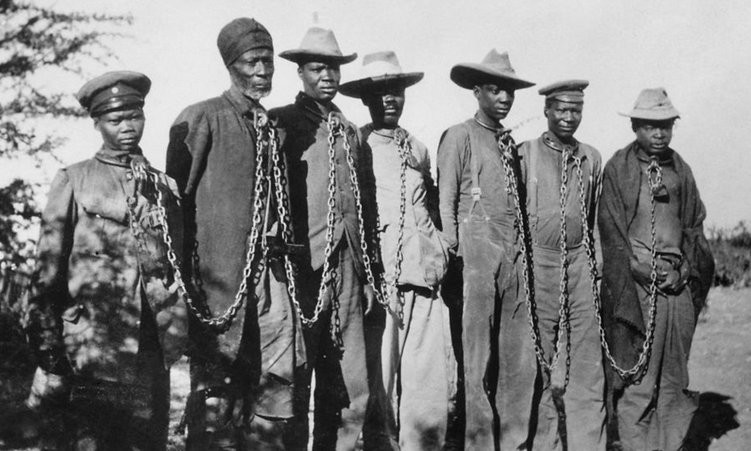
He says the vote should also put pressure on countries such as Germany to reconsider how they respond to the demands of Namibians affected by the 1904 to 1908 genocide.
“Because, just like the slave trade issues, I think this colonial genocide affected Namibia terribly through the loss of human lives, land, livelihoods, and livestock.
“As a result we have seen economic troubles and social struggles among these groups that were affected by genocide, and the troubles they continue to face after colonial Namibia,” the researcher says.
Namibia University of Science and Technology legal adviser Joshua Kaumbi says the genocide against the Ovaherero and Nama was built on ideas established through the slave trade.
He says the trade of African slaves entrenched the dehumanisation of Africans and laid the basis for enslavement, dispossession and genocide.
“Unfortunately, we are seeing what we hoped for, a global rule-based order, disintegrating with little or no resistance. Hopefully our influence as a country, on the system of the UN, which dates back to 1946 through to 2000, will allow us to see a Namibian sponsored resolution on genocide in the General Assembly soon,” Kaumbi says.
He says although General Assembly resolutions are not legally binding, the vote could strengthen calls for apology, restitution, return of property and guarantees of non-repetition.