





An ongoing gender-based violence (GBV) workshop in Windhoek has raised alarm over the absence of key stakeholders in the fight against this scourge.
Speakers say traditional and religious leaders, teachers, and social workers hold strong influence over societal attitudes and their involvement could promote safety and dignity.
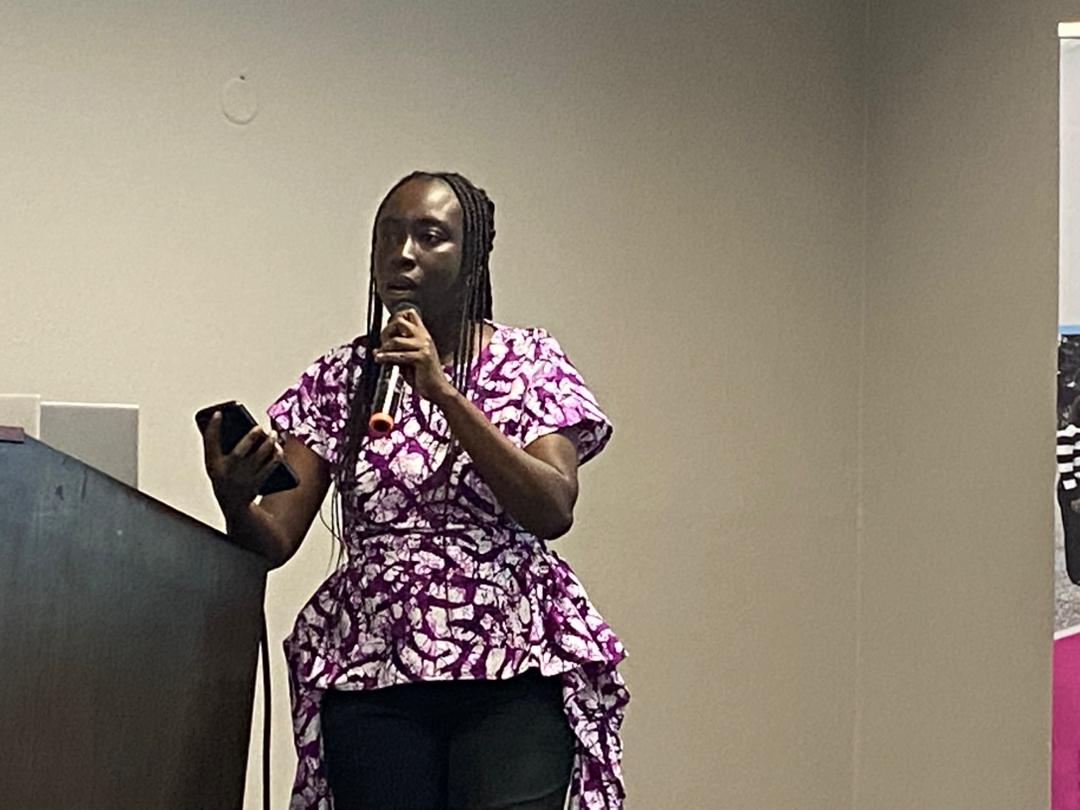
Amma Addo-Fening, a senior stakeholder engagement officer at the Kofi Annan International Peacekeeping Training Centre (KAIPTC), says it is important to build community resilience.
She says leaders can be used to advocate and train communities on GBV, myth busting and advocacy techniques to reinforce learning.
“Leaders use sermons, meetings and cultural events to spread awareness on GBV prevention effectively,” she says.
Addo-Fening says community leaders are champions of change and their endorsement could enhance legitimacy and mobilise collective action to shift harmful social norms.
KAIPTC senior policy and programmes officer Theresa Anafi says leaders are crucial in advocating against GBV and providing support to survivors by identifying problems and finding ways to combat it.
She gives the example of South Africa, which will be closing all work stations on 21 November to support the fight against violence on women ahead of the G20 Summit.
“These are the things we need to do,” she says.
Activist Rosa Namises emphasises the importance of seeking help as most victims face violence due to financial dependency.
She says the involvement of trusted people or social workers in personal issues prevents harmful outcomes.
“Today he sent me flowers for the last time. Had I reached out to the women’s organisation, I would not have died,” a poem read by Namises reads.
Police deputy commissioner and GBV victim protection division head Cathrine Walaula says the police welcome supporting victims or survivors of GBV.
She says the police have different departments that provide support to victims to cope emotionally and legal support teams to guide them on legal action.