In 1973, General Augusto Pinochet overthrew and killed Chile’s socialist president, Salvador Allende, in a CIA-engineered coup.
Monthly Review (a US-based journal) summarised that tragic event as follows: “Now they have overthrown and killed a popular president elected by his own people…”
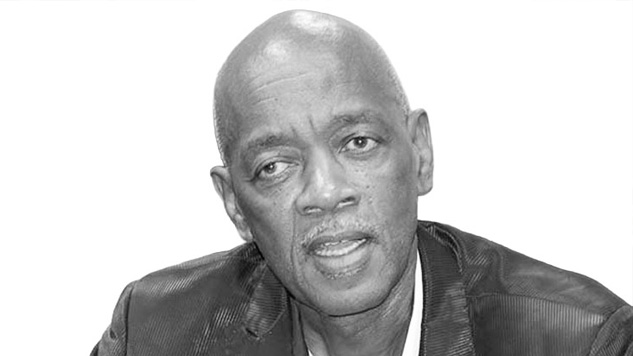
On 3 April, death robbed us of a popular Namibian member of parliament in the prime of his youth, James Unomasa Uerikua.
The Ovaherero mourning ceremony is a sorrowful lament or sad praise song where the exploits and the genealogy of the deceased is called to remembrance.
These expressive emotions are unique to Ovaherero culture and cannot be rendered effectively in a Western language.
Many prominent figures used rich tones as they weighed in on the colourful life of the late Uerikua after his passing.
Now that the dust is settling, it is my turn to mourn – and I mourn best through the written word.
FATE AND FIGHT
While Uerikua was born in Namibia, his parents were Ovaherero returnees from neighbouring Botswana. It is therefore a twist of fate that the accident that took his life happened near Kaondeka (Waterberg mountain).
Kaondeka is a sacred mountain in Ovaherero folklore where members of the Kambazembi Royal House, including the late Zed Ngavirue, are buried.
It is also where the mother of all battles in German colonial history took place in 1904.
Many Ovaherero traditional songs are dedicated to that mountain.
In reference to the 1904 Kaondeka battle, Ovaherero traditional female singers, in one of their most poetic of songs, sing: “Ohamakari ri tje tjekuao…”
The literal translation in English is: “Even on the day of Ohamakari, the sun rose and set as if nothing had happened.”
Ohamakari is a farm about 30km southeast of the mountain where the battle took place; hence the poetic relevance of that song.
The story of Uerikua’s great grandparents, who were among a group who escaped to Botswana, is also best captured in iconic reggae singer Bob Marley’s song ‘Zion Train’, in which Marley asks: “Two thousand years of history, black history, could that be wiped out so easily?”
STRUGGLE AND SACRIFICE
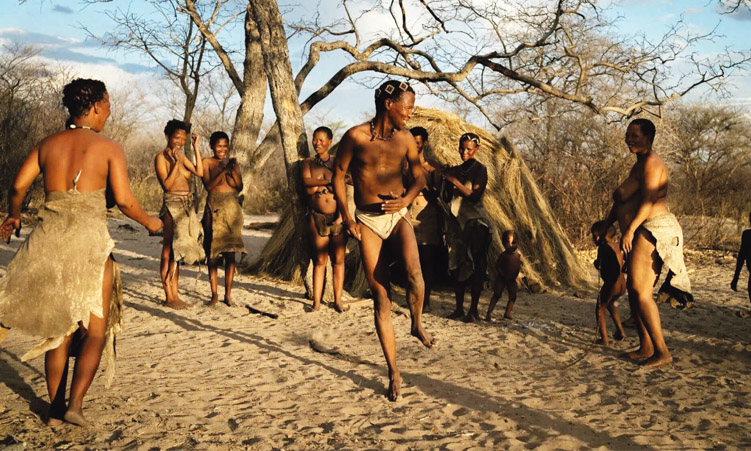
Now fast forward. What many people may not know is that the first Otjiherero-speaking contingent to join the People’s Liberation Army of Namibia (Plan) in exile were not from Namibia but from Botswana.
They sacrificed the comfort of living in an independent country, Botswana, to help liberate their motherland.
Some of the brave Plan fighters from that golden generation of the 60s were commander Hanganee Kavezeri aka Katjipuka; Caleb Tjipahura (who did time on Robben Island and died shortly after his release in 1987); Maendo; Katire; Nganate, and others.
The generation of the 70s and 80s included the likes of Kazenambo Kazenambo and Lemmy Uanivi (nee Ngombe), Ngajee Kamuvete, and Kariki Tjetjoo.
The latter three were female combatants.
Activists who operated in both Botswana and Namibia included Alex Meroro, Mbeuta ua Ndjarakana, Mupurua and Kahengua.
The full contribution of the Botswana contingent to Namibia’s liberation struggle has yet to be told. James Uerikua hailed from that community.
LIFE AND LEGACY
While I cannot claim to have been close to Uerikua, my own encounters with him and the tributes of those close to him reveal a man who was articulate, sharp-minded and possessed a commanding presence.
Importantly, he was every inch a nationalist.
In his Otjiherero praise poem in honour of Uerikua, veteran Namibian politician McHenry Venaani referred to the Mungunda clan from which Uerikua hailed.
This clan also produced the likes of the brave Plan commander Katjpuka and the iconic Ovaherero Paramount Chief, Hosea Kutako.
As a member of that clan, I take great pride in the gem that our clan “bequeathed” to the Namibian people in Uerikua.
The ‘Black Mamba’, as he was popularly known in the Gam constituency, is now silent but his positive ‘venom’ continues to resonate across the valleys, rivers and mountains of his beloved Namibia – overflowing even into the vast Atlantic.
Can such a man ever be mourned enough?
- Uaripi Tjihenuna is a commissioner of the Electoral Commission of Namibia (ECN). The views expressed here are his own and not those of the ECN.