




When staff answer the call of nature at the European Space Agency’s headquarters in Paris, their urine is not simply flushed away – it is turned into something more useful.
While urine-diverting toilets are often associated with smelly festival toilets, there is nothing bohemian about recycling nutrients from human pee, says VunaNexus chief executive David de Chambrier.
The process isn’t so different from recovering minerals in used electronics.
“Urine is a very concentrated resource.
This is not a hippy thing to do; we are recycling minerals,” he says.
Similarly to batteries, which should not be thrown in the bin to be recycled, “separating the urine at the source makes its treatment way easier”.
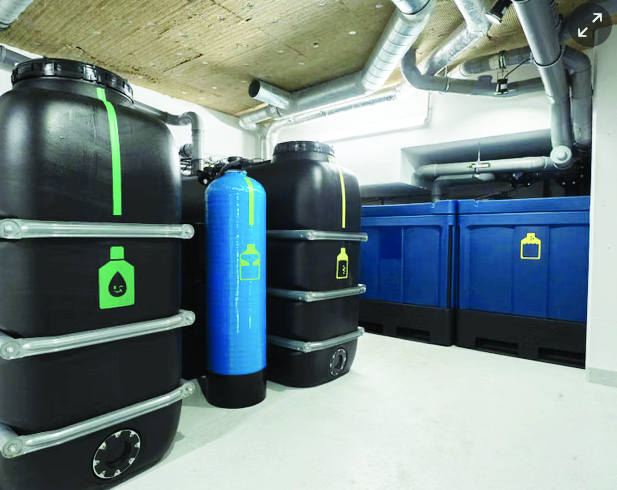
Special toilets that look like normal facilities send the separated liquid, without diluting it with water, down a piping system into a small treatment plant in the basement of the building.
There, the urine goes through a series of tanks that remove micropollutants, such as antibiotics, and concentrate valuable nutrients such as nitrogen and phosphorus that are essential for plant growth.
The liquid is then pasteurised at 90°C, killing any potential viruses and other pathogens.
The distilled water is separated and reinjected into the flushing system before a liquid fertiliser called Aurin comes out on the other side.
VunaNexus, the Swiss startup behind the technology, says Aurin is the only mineral fertiliser made entirely of human urine that is certified on the market.
It is approved for use on all plants by Swiss and French authorities and is sold to farmers for use in gardens and on house plants.
Until the start of Russia’s war in Ukraine in 2022, which sent fertiliser prices soaring, “we were still seen as a bit hippy”, says de Chambrier.
But that has now changed.
The chokehold on the Strait of Hormuz, through which about a third of the global trade in raw materials for fertilisers – and a fifth of shipments of the liquified fossil gas required to make them – passes, has acutely exposed the vulnerability of the fertiliser market and spurred renewed interest in alternatives.
– The Guardian