





Bolateral German-Namibian talks on a joint declaration for colonial genocide strip community representatives of a meaningful voice, reducing the most affected indigenous groups to passive observers.
The responsibility for this rests with the Namibian government. But the German government is an accomplice.
Germany is set on avoiding full recognition of the genocide. Its admission comes with the caveat that it was a crime from today’s perspective.
This is legally relevant to avoid any obligation for reparations.
A piecemeal atonement negotiated an apology and funds for development in regions where most descendants of the affected communities live.
As a bilateral agreement between governments, the German parliament will not be consulted before adoption. Nor has German civil society been involved.
Declared as reconciliation, it degrades mutual understanding between peoples (völkerverständigung) to a farce.
If adopted, the exclusion of significant agencies of descendants of the indigenous communities most affected will make it an unaccomplished mission.
German willingness to admit guilt but to not include the people of both countries in seeking to address shared history obscures democracy and reconciliation.
Similarly, a decision taken by the National Assembly in 2006 refers to it as a point of departure but has excluded relevant agencies of the most affected indigenous communities from direct participation in the negotiations. This disrespects democracy and the legislature.
The government maintains being democratically elected includes the mandate to negotiate on behalf of all Namibian people.
It puts centralised authority above including sections of society with own histories and identities.
It elevates state identity constituted relationally above multi-cultural domestic politics. The slogan ‘one Namibia, one nation’ becomes a straitjacket.
It silences unwanted views and sacrifices remembrance of primary resistance to colonial rule.
The joint declaration recognises Damara and San communities directly affected by the genocide. But they feature less than the Ovaherero and Nama in the national historical narrative.
Seth !Nowaseb, a member of the Technical Committee on Genocide, Apology and Reparations established by the government as a consultative body for the bilateral negotiations, said it “not only distorts the historical record but risks perpetuating the very exclusions that reconciliation seeks to overcome”.
DENIGRATION OF RECOGNITION
The 2026 Genocide Remembrance Day was commemorated in decentralised local activities. To some extent, the events signified an element of what is called an ontological security.
Representatives of agencies of the most affected indigenous communities were not among the prominent speakers.
President Netumbo Nandi-Ndaitwah, who attended the Omaludi Agricultural Festival at Okongo the previous day, did not participate in any commemorative gathering.
In a statement, she emphasised shared resistance to colonialism rather than paying special tribute to the resistance and sacrifices of those meant to be commemorated on this day.
This corresponded with statements by government representatives who used the occasion to warn of tribalism.
Criticised for her absence, the president attended the commemoration of the battle at Otjunda and of chief Kahimemua Nguvauva, who was executed at Okahandja on 12 June 1896.The president urged “all Namibians to reject divisive tendencies, such as tribalism, regionalism and discrimination”.
This tends to disqualify demands to give direct voice and representation in bilateral negotiations to agencies of the indigenous communities who were the targets of the genocide as tribally motivated.
Such sidelining is part of the government’s claim to solely and exclusively represent citizens in all matters while dismissing any need for critical self-reflection.
Last month, the president attended the Transatlantic Slave Trade conference in Accra.
She said “true reconciliation begins when people are allowed to tell their own stories and have those stories accepted with honesty”.
It should be no surprise that members of indigenous communities reacted angrily.
At the Accra forum, reverend Ebson Kaapama, a member of the Maharero Royal Traditional Authority, and the Okandjoze Chief Assembly’s technical committee, declared: “We wish to alert the pan-African community to a dangerous internal injustice: the government of Namibia is actively attempting to ‘Namibianise’ the genocide.”
On 19 June, the Accra Conference adopted a document outlining the ‘Next Steps’. The Namibian and German governments should take note of it.
Among others, it supports “generational victims to access justice for historical wrongs” (29.ii).
It is committed “to inclusive and culturally grounded initiatives to restore broken connections and communities including as a result of the legacy of untreated trauma that is multi-generational” (29.xv).
It declares (36) “that all reparatory justice measures be designed in consultation with affected communities through inclusive and accessible processes, ensuring meaningful participation and local ownership in their implementation”.
The two governments need to address if they will comply or will continue to betray the meaning of restorative justice as a necessary step towards reconciliation.
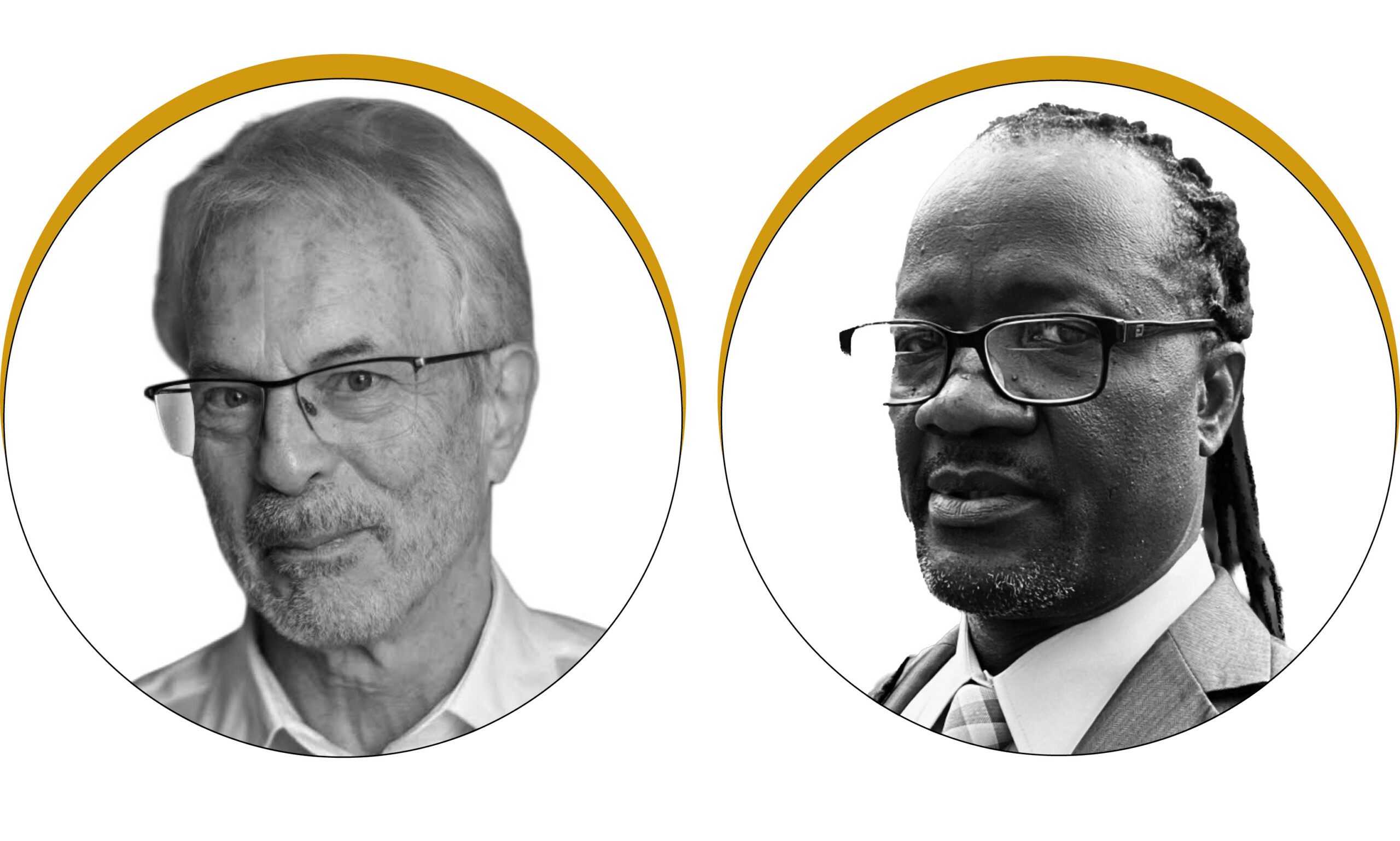
* Henning Melber was a Swapo member from 1974 to 2025. He is a resident associate at the Nordic Africa Institute in Sweden, and extraordinary professor at the universities of Pretoria and the Free State.
* Jephta Nguherimo is a poet, transnational activist and former labour negotiator advocating for genocide justice. He authored ‘Unburied–Unmarked’. His work centres on memory, resistance and restorative justice.