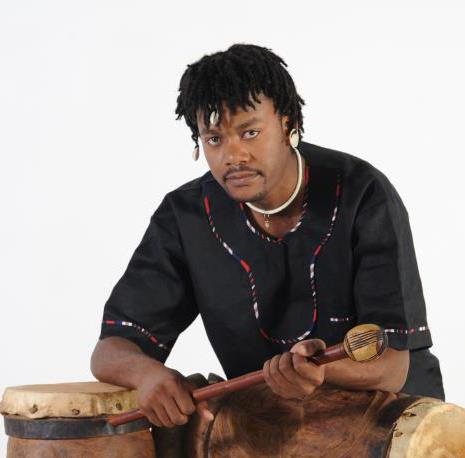
The recent dialogue on the relationship between the media and local artists hosted by ARTNam and the Franco Namibian Cultural Centre was fruitful and interesting. Many concerns around representation, education, training and professionalism were raised and discussed.
The discussion between artists, media people and the general public left a lot of questions unanswered and created the need for further and extensive conversations about how this relationship plays out.
There is more arts and culture representation in the media these days. Our broadcast, print and social media have become useful and productive platforms for artistic and cultural representations. This being the case, there are still many questions around the media productivity and representation of the arts and culture. Having shared their views about the lack of professionalism and commitment from artists and the cultural community, I think journalists equally need to pull their socks up.
How does the media report and cover artists and their artworks? How can artists make use of media platforms to engage the wider public about their offerings? Do media houses offer their writers and producers training on arts and culture reporting? These are some of the questions which were asked to get to the bottom of things. For me, representation is at the core of the artist-media relationship. It is not new to say that we have a lack of in-depth reporters and critics of artworks. Looking at the way arts and culture is currently written in local papers, there is a lack of radical, analytical and critical writers. We need journalists who are not only passionate but also able to study arts and cultural encounters through social, historic and political lenses.
By this, I don’t mean that our writers should be arts academics or formally trained arts journalists. I mean that we need reporters who understand the infinity of artistic potential. A good arts journalist is one who is in tune with what is happening around the world and how the broader cultural landscape is changing.
Cultural reporting is also a lifetime job. I say this because many arts and culture reporters in our country come and go. This is probably because journalism does not offer fat salaries and the Namibian artistic and cultural spaces get dry from time to time. Like the artist, the arts writer must be resilient in their environment. He or she must write for decades. These are the people who also archive and create documents about our work.
In the same way that modern media people want to be careful and responsible about how they do political, gender and community reporting, the same importance must be equally accorded to arts and culture. This can even start off by referring to their sections and programmes as arts and culture as opposed to simply entertainment. This is because artists are more than entertainers, although some would not even want to be considered as entertainers.
Living in the technical age, we are granted the luxury to be reporters and archivers of our own work as artists. Our dependence on media institutions to publicise and record our work is minimised, yet we have to be conscious about how we engage with media platforms.
In an age of information overload, Sunrise is The Namibian’s morning briefing, delivered at 6h00 from Monday to Friday. It offers a curated rundown of the most important stories from the past 24 hours – occasionally with a light, witty touch. It’s an essential way to stay informed. Subscribe and join our newsletter community.

The Namibian uses AI tools to assist with improved quality, accuracy and efficiency, while maintaining editorial oversight and journalistic integrity.
Stay informed with The Namibian – your source for credible journalism. Get in-depth reporting and opinions for
only N$85 a month. Invest in journalism, invest in democracy –
Subscribe Now!