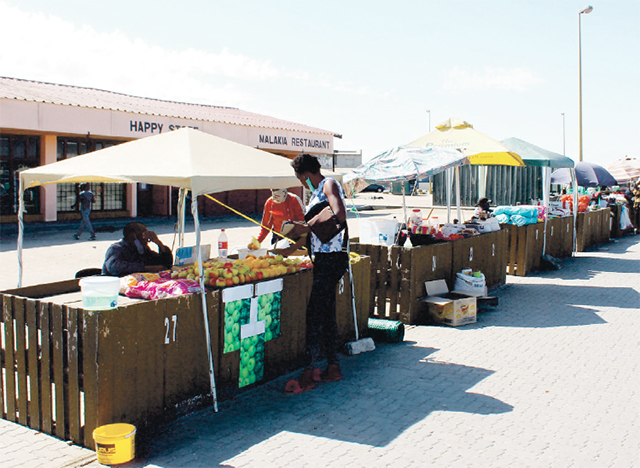
SWAKOPMUND is among several towns in Erongo that have opened their informal markets after the Covid-19 lockdown to ensure that traders get back to business and start making a living.
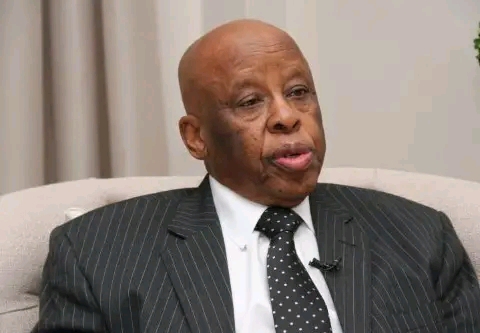
Swakopmund mayor Nehemiah Solomon said at the official opening of ‘Market 2’ at Mondesa last week that four of the town’s six markets had been opened for business.
Two others still need extensive renovations that may take up to three months. He said 90 of the 102 registered traders will be allowed to start trading on a rotating basis.
“The government’s decision to lockdown the entire country was not an easy one but it was necessary for the purpose of saving lives by stopping spreading the virus,” he said.
For the past two weeks after the lockdown, the council embarked on an exercise to prepare the markets for opening, which included renovations, cleaning and disinfecting before traders could use the facilities.
Requirements and conditions that had to be met before the facilities were declared fit to re-open were outlined. Traders were also issued with permits that outline the conditions and requirements that must be followed, to stop the spread of the virus.
“Re-opening of the market does not mean we are now relaxed and should continue doing business as usual. We have to change the way we do things, we have to adopt a new format, it is no longer business as usual,” he said.
A traditional food trader, Constansia Menakuntima told The Namibian she was happy to be back in business, although they are working under strict safety conditions.
“Business is slow, but it is better to earn something than staying at home earning nothing,” she said.
Taimi Shikongo, who sells fruits and vegetables, said although she was happy being able to work and providing for her family, the safety regulations are stifling business, because traders have to pack up and go home by 17h00.
“This is when most people return from work and have an opportunity to buy. Before the pandemic, we could stay on until later to get more customers,” she said.
About 350 informal traders in Erongo (out of about 1 350) were allowed to start trading after more than a month-long of lockdown.
Although tourism is the hardest hit sector, informal traders who depend on the sale of basic items and services, were also badly affected.
And though they are among the beneficiaries of the N$750 emergency income grant, it is not enough to maintain them over the long run, hence the government’s decision to slacken the emergency measures is welcome.
Open markets have been equipped with sanitisers, and social distancing markers have been put up. There will also be guarded entrances and exits to ensure that only a limited number of people are allowed at a time.
The markets and traders will also be monitored by officials and police officers to ensure the rules are followed.
In an age of information overload, Sunrise is The Namibian’s morning briefing, delivered at 6h00 from Monday to Friday. It offers a curated rundown of the most important stories from the past 24 hours – occasionally with a light, witty touch. It’s an essential way to stay informed. Subscribe and join our newsletter community.

The Namibian uses AI tools to assist with improved quality, accuracy and efficiency, while maintaining editorial oversight and journalistic integrity.
Stay informed with The Namibian – your source for credible journalism. Get in-depth reporting and opinions for
only N$85 a month. Invest in journalism, invest in democracy –
Subscribe Now!