






December was characterised by a lot of travelling during the festive season.
Consumers in zone 3, comprising the ||Kharas, Erongo, Hardap, and Omaheke regions, paid the highest price for petrol at N$21.21 per litre, followed by zone 2 at N$21.07, while zone 1 had the lowest price at N$20.93.
Zone 1 is made up of the Kavango East, Kavango West, Kunene, Ohangwena, Omusati, Oshana, Oshikoto, Otjozondjupa and Zambezi regions while zone 2 covers the Khomas region.
According to the Namibia Consumer Price Index (NCPI) for December 2025, consumers in zone 1 paid the lowest price for pure sunflower oil (750ml) at N$32.36, followed by zone 3 at N$33.09, while zone 2 consumers paid the highest price at N$33.88.
The bulletin issued by the Namibia Statistics Agency (NSA) says the headline annual inflation rate decreased to 3.2% during the reviewed period from 3.4% in December 2024.
“Inflation was 0.1% on a monthly basis, up from 0% the month before. At 3.4%, core inflation was marginally higher than the headline rate of 3.2%,” says NSA chief executive Alex Shimuafeni.
The zonal inflation rates for December 2025 reveal that zone 2 recorded the highest annual inflation rate at 3.3%, followed by zone 3 at 3.2% and zone 1 registered the lowest annual inflation rate at 3%.
Shimuafeni says the headline annual inflation rate of 3.2% recorded in December 2025 was mainly driven by housing, water, electricity, gas and other fuels, which contributed 1.1 percentage points, followed by food and non-alcoholic beverages and alcoholic beverages and tobacco, with each contributing 0.5 percentage points.
“The highest annual inflation changes were observed in housing, water, electricity, gas and other fuels (4.5%); education, and recreation and culture, recorded 4.3% respectively; while hotels, cafés and restaurants recorded 4.2% and alcoholic beverages and tobacco recorded 3.7%,” he says.
According to the NCPI, in December 2025, the annual inflation rate for the component consisting of housing, water, electricity, gas, and other fuels, which makes up 28.4% of the consumer basket, was 4.5%, up from 4.4% in December 2024.
On monthly basis, this category recorded an inflation rate of 0.4%, compared to 0% recorded in the previous month.
The gradual increase in annual inflation for this category emanated from price increases in the sub-component of electricity, gas and other fuels from 1.4% to 4.5%.
The annual inflation rate for food and non-alcoholic drinks, which make up 16.5% of the NCPI basket, was 2.6%, compared to 5.9% during the same period in 2024.
During the period under review, this category experienced a monthly deflation of 0.2% as opposed to 0% in the preceding month.
Food as a sub-category constitutes 14.8% of the total consumer basket in the NCPI, whereas, bread and cereals account for the largest weight (up to 4.8%) of food items purchased by households, followed by meat (3.5%); sugar, jam, honey, syrups, chocolate and confectionery (1.4%); vegetables and milk, cheese and eggs (1.2%) each.
According to the analysis, oils and fats recorded an annual inflation rate of 2.9% in December 2025, down from 6.9% witnessed in December 2024.
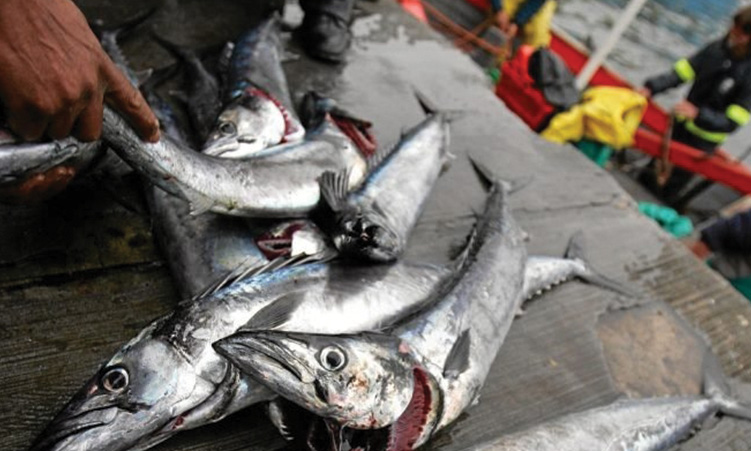
The annual inflation rate for fish stood at 2.2% in December 2025, compared to 6% registered in the same period of the previous year.
“This moderation was driven by a decline in prices for fresh, chilled and frozen fish from 8.7% to -0.3%,” says the bulletin.
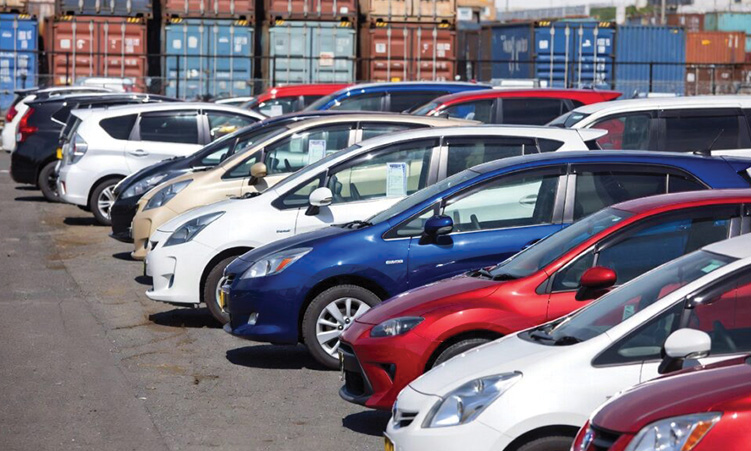
The transport category, whose weight of the consumer basket is 14.3%, recorded an annual inflation rate of 2% in December 2025, compared to a deflation of 1.4% observed in December 2024.
The increase was reflected in the sub-component of operation of personal transport equipment from -3.4% to 2.4%.
– email: matthew@namibian.com.na