





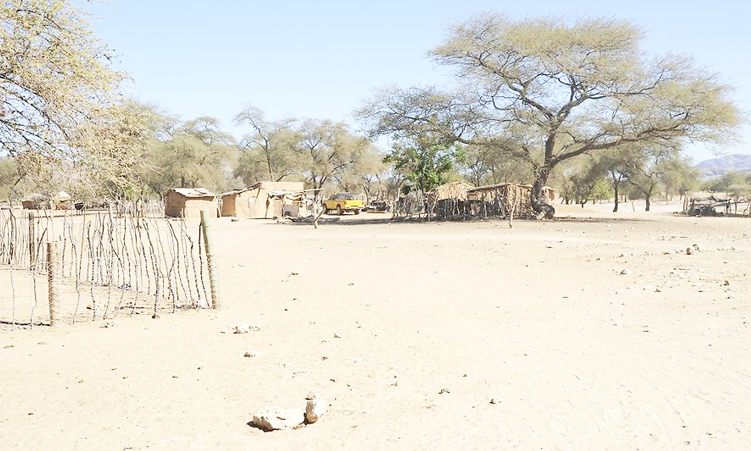
Despite its rich tourism attractions, mining prospects and natural beauty, Sesfontein constituency’s development potential remains untapped due to infrastructure deficits, water shortages and limited investment.
Home to more than 8 000 inhabitants, Sesfontein constituency in the Kunene region is renowned for its dramatic landscapes, desert-adapted wildlife and growing tourism industry, attracting visitors from across Namibia and abroad, eager to experience its unique scenery and encounter species such as desert elephants, desert lions and black rhino.
Yet behind this natural wealth lies a community struggling with basic services and limited economic opportunities.
Sesfontein constituency councillor Bernadus Hoeb tells Nampa the constituency continues to face serious socio-economic and infrastructure challenges that slow down development and limit its full potential.
He says the area still lacks adequate water infrastructure, reliable road networks, accessible health facilities, stable telecommunications services and sufficient investment in key economic sectors.
Water provision remains the most critical challenge in the constituency, with several villages either lacking a reliable water supply or depending on ageing fuel-powered engines to pump water over long distances.
In some communities, residents travel long distances or rely on irregular supply systems to meet daily water needs.
Hoeb says water is the most frequently raised issue during community engagements, as it directly affects survival and livelihoods.
“Water forms the basis of any livelihood. When people ask for water, there is no alternative.
It is the most basic need,” he says.
The constituency is also facing the impact of recurring droughts, which continue to weaken agricultural production and livestock farming.
Many farmers have still not recovered from the devastating 2012/13 drought, which wiped out large numbers of livestock and left families in financial distress.
Although Namibia received rainfall in parts of the country in 2025, Hoeb says Sesfontein continues to experience irregular and insufficient rainfall, making farming increasingly difficult.
Food insecurity is further worsened by human-wildlife conflict, particularly by elephants that frequently destroy crops and damage water infrastructure, making it difficult for many households to sustain subsistence farming or achieve food self-sufficiency.
Other pressing challenges include unemployment, poor road conditions, limited mobile network coverage and lack of radio and television access in some areas.
These challenges contribute to the isolation of rural communities from information, markets and essential services.
Despite these difficulties, Hoeb believes Sesfontein holds significant untapped economic potential, particularly in tourism and small-scale mining.
He calls for the establishment of fuel stations in strategic locations such as Otjokavare, Sesfontein and Puros, noting that only one of the constituency’s two service stations consistently has fuel available, creating difficulties for transport and business activities.
To address unemployment and skills shortages, Hoeb says his office plans to collaborate with vocational training institutions such as Cosdec to roll out outreach programmes focused on hospitality, tourism and technical skills development.
He says empowering young people with skills is key to reducing unemployment and promoting entrepreneurship in the constituency.
“People need to be capacitated, especially young people who are of working age. Through skills development and support for small businesses, we can begin to improve livelihoods,” Hoeb states.
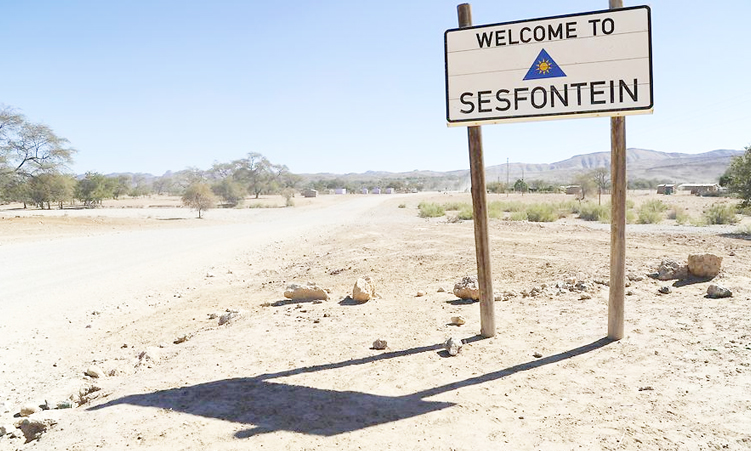
He also highlights the importance of supporting rural income-generating projects and small-scale miners, many of whom depend on limited resources to sustain their families.
To him, access to equipment and financial assistance could significantly improve productivity and income levels.
While challenges remain significant, Hoeb remains optimistic about the future of Sesfontein.
He believes that with sustained investment, improved infrastructure and targeted economic interventions, the constituency can transform its natural resources into real economic opportunities.
He says Sesfontein’s tourism potential, mining opportunities and resilient communities provide a strong foundation for long-term development.
“What is required is commitment from both the government and the private sector to turn potential into progress and ensure that communities benefit meaningfully from the area’s resources,” Hoeb notes.
– Nampa