






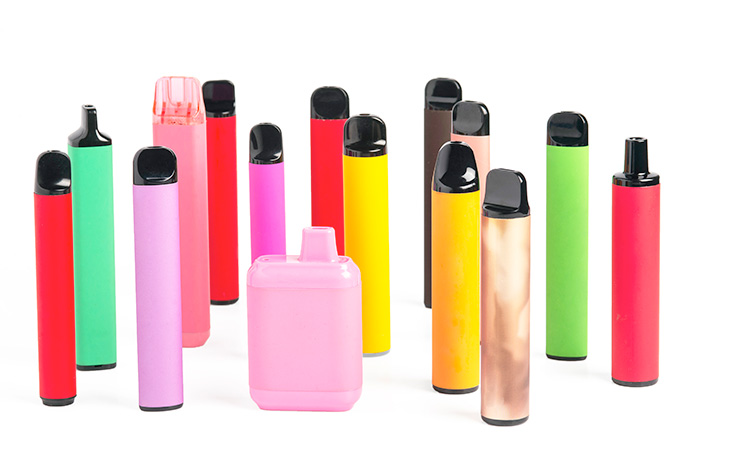
It is a modern epidemic packaged in sleek, colourful plastic, hidden easily inside pockets and school blazers.
Known colloquially on the streets and in school yards as choef, vapes have rapidly transformed from an adult smoking-cessation tool into a health crisis.
What was once advertised as a “healthier alternative” is now driving unprecedented levels of nicotine addiction among the country’s youth.
Data released by the World Health Organisation (WHO) and the Ministry of Health and Social Services paints a sobering picture.
According to the global school-based Student Health Survey, an alarming 23% of school-going adolescents aged 13 to 17 currently use vaping products.
The problem is heavily skewed by gender, with nearly 30% of teenage boys actively using e-cigarettes.
The Namibia National Students Organisation (Nanso) estimates that broader youth usage (ages 13 to 25) could sit as high as 31%.
This skyrocketing demand has fuelled a lucrative, unchecked commercial pipeline. Between 2021 and 2024, Namibia spent a staggering N$1.4 billion importing tobacco water pipes, vapes, and alternative nicotine products.
Devices are sold for as little as N$100, making them cheap enough for primary school pupils to purchase with allowance money. Educators in Windhoek and Otjiwarongo report a constant battle, with life skills teachers frequently confiscating devices from children as young as primary school.
Faced with a rising tide of addiction, local authorities and civil society organisations have begun fighting back.
The City of Windhoek officially banned vaping in all enclosed public spaces, workplaces, and within two metres of windows or ventilation systems. Violators face steep court-ordered fines of up to N$4 000, imprisonment for up to a year, or both.
Meanwhile, the #LosDieChoef campaign, spearheaded by Nanso, leverages social media platforms like Instagram and WhatsApp to demystify the “cool” image of vaping, offering peer support and educating parents on the underlying dangers.
Additionally, ministry officials and the standing committee on health have launched nationwide regional compliance sweeps, targeting schools, border entry points, and informal settlements to raise awareness about the physical toll of vape chemicals.
Why has enforcement been so challenging?
The answer lies within Namibia’s outdated legal framework.
Currently, the sale, import, and distribution of e-cigarettes operate in a legal grey area.
The Tobacco Products Control Act of 2010 does not explicitly include or define e-cigarettes or non-tobacco nicotine delivery systems.
Because of this legislative omission, there is currently no specific retail licence required to sell vapes in Namibia.
Vendors can legally import and sell these highly addictive products right next to everyday consumer goods without commercial oversight, and law enforcement officers often find their hands tied when trying to penalise merchants selling directly to minors.
Deputy health minister Susan Ndjaleka says the government is actively reviewing and amending the Tobacco Products Control Act to formally classify e-cigarettes and hookahs under the same strict banner as traditional cigarettes.
Furthermore, a parliamentary standing committee has recommended aggressive new counter-measures that would mandate strict retail licensing, restrict vendor locations near school zones, ban point-of-sale displays, and potentially impose outright import bans on specific flavoured vape strains targeting children.
To curb illicit trade and imports, health ministries also plan to formalise cooperation with international illicit trade protocols, forcing transparency onto the supply chain.
Namibia stands at a critical junction, and this crisis demands urgent policy change and strict safeguards to prioritise health above corporate profits.
– Kevin Rukoro