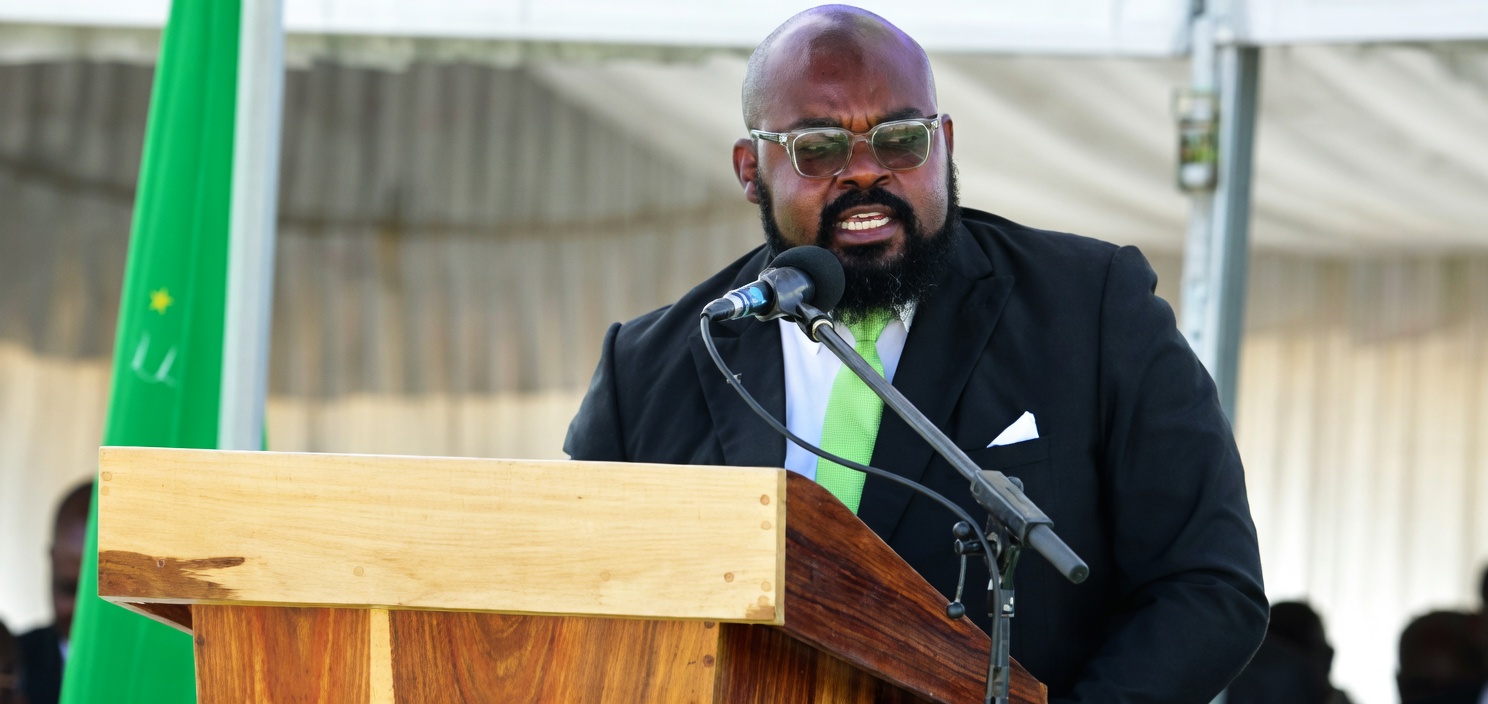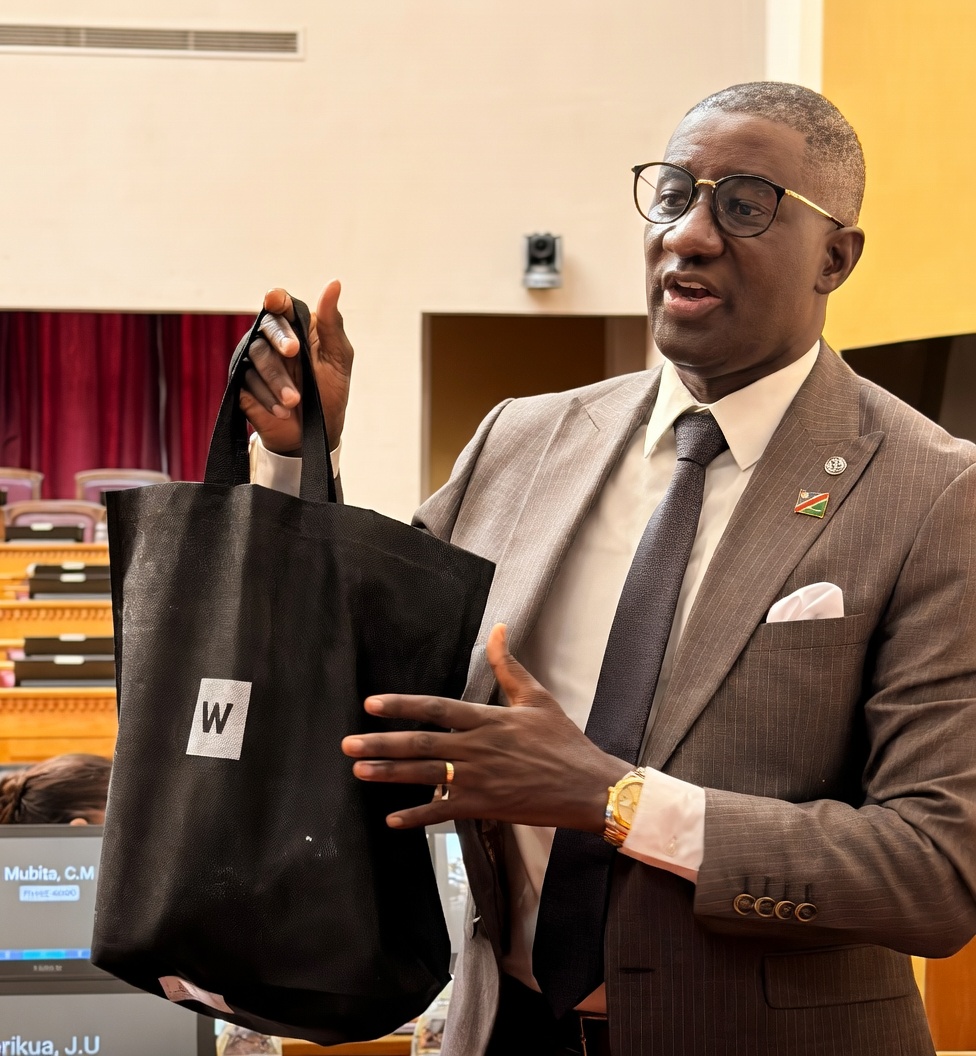




Minister of urban and rural development James Sankwasa says he does not support houses made of prefabricated materials as a solution to Namibia’s housing crisis.
Sankwasa’s comments came after prime minister Elijah Ngurare on Saturday on social media said prefabricated houses are cheap and durable.
Ngurare said a prefab house costs N$150 000 and takes about a week to construct.
“Insulated with foam like materials and have a lifespan of 50 years. The government is using these structures in hospitals, schools, police, etc.,” he wrote.
However, Sankwasa yesterday said he does not support prefab houses as it has high maintenance costs.
“Yes, it will house a lot of people, but we must look at the long term. For how many years would the prefab building stand?
“It does not have a long lifespan. The cheapest I’m going for is to copy from Rwanda, which I saw at the United Nations habitat, and that model is being done by Ongos at Havana in Windhoek,” Sankwasa said.
He said Ongos has built low-income and middle-income housing on the outskirts of Windhoek with prices ranging from N$300 000 to N$800 000.
According to the minister, these houses are suitable for young, single professionals.
PRECAST MORE DURABLE
“It is here in Windhoek and people can replicate that across the country. That is one area that we can look at.
Number two, there is what is called precast houses. You can build a one or four bedroom house from precast. Precast is more durable because it is cement, and if you want, you can even plaster it,” Sankwasa said.
“My direction is that I don’t support prefab. Precast is cheap but durable. Prefab is also cheap but not durable. It will just throw our people in the ditch after 10 or 15 years because it rots,” he said.
A prefabricated house is a type of home that is manufactured off-site in advance, usually in standardised sections or modules, and then transported to and assembled at the final location.
EXPERIMENT
Co-director at Namibia Housing Action Group Heinrich Amushila says before prefabricated houses are accepted in Namibia, they should first be experimented with and should be acceptable to those meant to stay in them.
“I think there should be sufficient consultation with the end users, otherwise you will have white elephants.
Consultation is needed so that the people have buy-in, and consultation should be spearheaded by maybe building show houses coupled with cost,” he says.
Affirmative Repositioning parliamentarian George Kambala says prefab homes are not the entire solution to the housing crisis.
“It’s a short-term solution, but that should not be the focus. It should also not be seen as the ultimate, because prefab might work for the coast but not work for Windhoek,” he says.
Ngurare did not answer a call and two text messages sent to him yesterday.
Former president Hifikepunye Pohamba launched the Mass Housing Project in 2013 to construct 185 000 houses countrywide, but some houses built under that project have remained unoccupied nine years after completion.
For example, in Windhoek’s Otjomuise Extension 10, 362 housing units have become unoccupied white elephants.
These units are not ready for occupation due to a lack of essential services like sewerage, water, and electricity connections, as well as ongoing legal disputes between the construction contractor and the government.
The government had allocated about N$90 million to complete these units.
In March, Ngurare set a deadline of 11 April 2025 for ministers, governors, and councillors to finalise their implementation plans of formalising informal settlements.
He stressed the need for visible progress.
“We must see action – whether at Ehambo dha Nehale or Tlhabanelo number 3, something must be happening,” he said.
The prime minister also urged officials to begin working with the resources already available, only requesting more funds after progress has been made.
He echoed the president’s call for “work in progress”, emphasising that execution should not be delayed by funding concerns.
In an age of information overload, Sunrise is The Namibian’s morning briefing, delivered at 6h00 from Monday to Friday. It offers a curated rundown of the most important stories from the past 24 hours – occasionally with a light, witty touch. It’s an essential way to stay informed. Subscribe and join our newsletter community.

The Namibian uses AI tools to assist with improved quality, accuracy and efficiency, while maintaining editorial oversight and journalistic integrity.
Stay informed with The Namibian – your source for credible journalism. Get in-depth reporting and opinions for
only N$85 a month. Invest in journalism, invest in democracy –
Subscribe Now!