THE four-year Sexual and Reproductive Health and Rights (SRHR), HIV, and AIDS Governance Project of the Southern African Development Community Parliamentary Forum (SADC-PF), has had an enduring impact on how Namibia is navigating controversial issues.
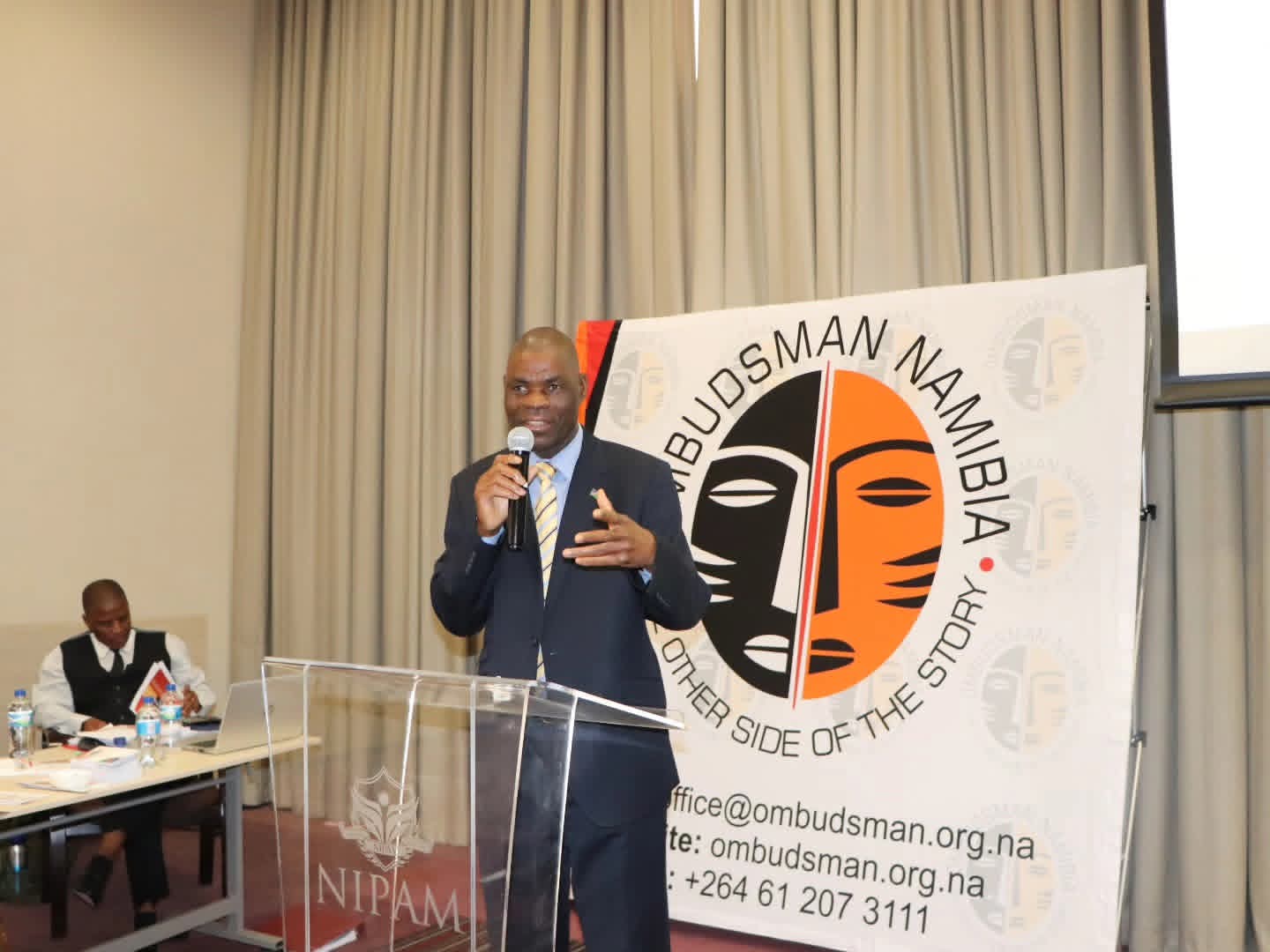
The project came to a close recently, and during a review workshop at Swakopmund on Friday, chairperson of the Namibian National Technical Working Group on SRHR Gothardt Kasuto said through the project’s support several critical motions and petitions related to SRHR were tabled and discussed in the National Assembly since 2019.
This includes controversial issues relating to the rejection of the legalisation of abortion and sterilisation in Namibia, the gender-based violence (GBV) movement #ShutItAllDown, and calling for the National Assembly to address the ‘different sexes’ struck out of the Combating of Domestic Violence Act.
The project, which was funded by the Embassy of Sweden and implemented by 11 countries, including Namibia, aimed to achieve universal access to integrated SRHR, HIV-AIDS and related rights.
It encouraged members of parliament to strengthen their capacity and advocacy for SRHR and HIV-AIDS issues through legislative, budgetary, oversight, and visible representation.
At the workshop, secretary general of the SADC Parliamentary Forum Boemo Sekgoma acknowledged the project’s significant and enduring impact.
She said the project not only advanced sexual rights, but also promoted good governance, democratic accountability and the implementation of human rights.
“The project’s legacy lives on through its contributions to various thematic areas, such as addressing sexual GBV and gender inequality, early and unintended pregnancy and safe abortions, and ensuring access to SRHR and HIV-AIDS-related services.
It has also played a crucial role in reinforcing health systems, contributing to universal health coverage, promoting comprehensive sexuality education, and upholding democracy and human rights,” said Sekgoma.
It was noted during the workshop that Namibia has been grappling with various challenges related to SRHR, such as high HIV-AIDS prevalence, GBV, teenage pregnancies, baby dumping and child marriages. The project has contributed to building the capacity of the National Assembly to advocate SRHR and HIV-AIDS.
Furthermore, the project has fostered the establishment of partnerships between parliament and various stakeholders, including line ministries, development and funding partners, and civil society organisations.
“These partnerships have played a crucial role in ensuring the communication gap between parliament and the citizenry is bridged, which is vital for the right SRHR information to flow to parliament and inform the decision-making process,” said Kasuto.
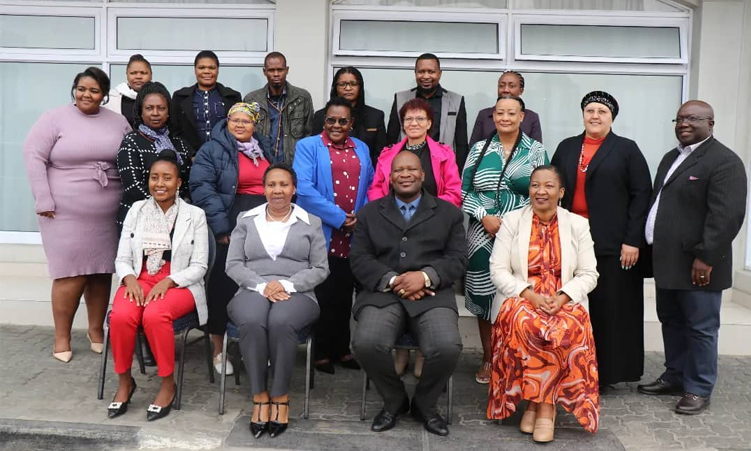
As the project concludes, key stakeholders, including MPs, line ministries, development and funding partners, and civil society organisations gathered to review the project’s performance and identify gaps and good practices. It is hoped that the insights from this review will help set the base for sustaining SRHR activities and making use of existing partnerships and parliamentary standing committees.