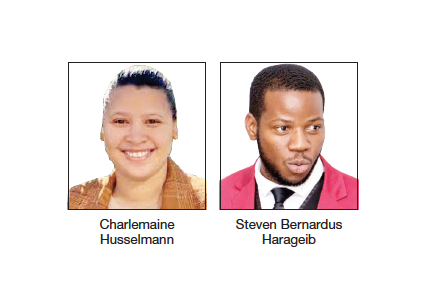
CHARLEMAINE HUSSELMANN and STEVEN BERNARDUS HARAGEIBTHE SPLIT GENERATED by the heated discussion surrounding abortion has divided Namibian society into two factions.
One is the pro-life group who define themselves as conservative and fight for what they see as the protection of the unborn. Within this group, the dispute is based on a theological moral underpinning through which laws are understood.
The Guttmacher Institute fact sheet, Abortion in Africa, estimates that 93% of women of reproductive age (15 – 49 years) in Africa live in countries with restrictive abortion laws, Namibia being one of them.
It also highlights that Africa has the largest number of abortion-related fatalities. It notes that in 2014, at least 9% of maternal mortalities (that is 16 000 deaths) in Africa were from unsafe abortions. The argument that many pro-life protesters utilise is that with contraception accessible, women should be able to regulate when they become pregnant. However, this is not the case: The Guttmacher Institute further emphasises that as of 2017 an estimated 58 million women of reproductive age in Africa still have an unmet need for modern contraception.
According to the Namibian Demographic Health Survey (NDHS) 2013, just 50.2% of women of reproductive age use any sort of family planning technique. This is alarming as it highlights the problems many women and girls who are sexually active confront while avoiding pregnancy. Barriers still remain for women and girls because of the shame and stigma associated with having pre-marital sex and having a child out of wedlock which men do not experience. During the lockdown period at the peak of the Covid-19, the country ran short of contraceptives which contributed further to the issues women confront.
These are among the challenges that pro-choice activists face to improve for women – where they not only fight for access to safe abortion services, but a comprehensive family planning programme that works to help women access the full reproductive health services available to them.
The essence of being pro-choice is that everyone has the basic human right to choose when and whether to have children. It is understanding that others have the opportunity to select abortion as an option for an unwanted pregnancy, even if it is an option you would not choose for yourself.
In campaigning for reproductive rights, Planned Parenthood has opted to identify rather as pro-reproductive rights, which is understood to entail the backing of legislation which enables people to access a complete spectrum of reproductive healthcare inclusive of safe and legal abortion services.
And it is this definition that is the basis for being pro-choice: Understanding that it is important to ensure that women and girls have a full range of options available to them that they can afford and access without a challenge; that they have full autonomy to make decisions about their body. It is this that we embody when it comes to the achievement of the right to a full and sustainable healthy existence. Pro-reproductive rights incorporate everything we fight for in addition to providing safe legal abortion services but also inexpensive reproductive healthcare inclusive of contraception.
The effort to reduce the stigmatisation of women and girls who choose to terminate a pregnancy or engage in sexual activity before marriage is vital. In many respects, the institutional denial of womens health rights reflects cultural apathy and gaslighting through brutal abortion legislation. Abortion is often wrapped in harsh rhetoric in our public discourse, following the same trend as dialogues about sex, which are similarly shrouded in shame and secrecy. As a result, no one outside of advocacy groups is horrified by illegal abortions and abortion bans.
Abortion-related deaths and injuries are avoidable. Preventing women from obtaining abortions does not eliminate the need for them, it only drives them to seek unsafe alternatives.
* Charlemaine Husselmann, gender and human rights activist; Twitter: @MsCWH89.
* Steven Bernardus Harageib, youth and mental health activist. Twitter: @stevenharageib.