




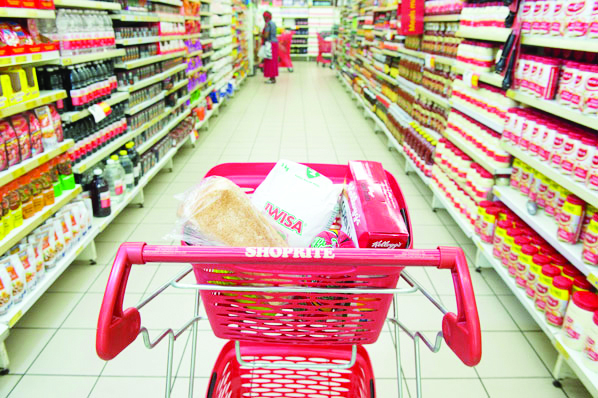
Two years ago, you could buy a tin of fish, 750ml of oil and a kilo of fresh tomatoes for less than N$100.
Today, you will need N$120 to buy the same products.
This is because between inflation has continued to rise over the past three years. The latest figures, released by the Namibia Statistics Agency (NSA), show that Namibia is currently facing the highest rise in prices since February 2024.
Namibia’s annual inflation rate was standing at 5% in August, mainly due to an increase in transport costs.
The latest NSA Financial Inclusion Survey has revealed that 546 000 working Namibians have no disposable income and have taken up debt to finance their basic needs.
The recent survey shows 51.3% of Namibia’s working population borrows money to buy food, while 22.1% borrow to pay for education financial needs and 16.4% borrow to pay for daily transport needs.
This is because 295 000 of the 546 000 working Namibians earn less than N$2 000 a month.
Transport was the biggest contributor to the increase, with prices in the category rising by 13.2% over the past year.
The sharp increase was largely driven by the cost of operating personal vehicles, which rose by 17.1% over the year.
Petrol and diesel prices were 25.1% higher than a year earlier, while public transport fares increased by 14.9%.
The pressure has continued into September following another increase in fuel prices.
The Ministry of Industries, Mines and Energy increased the Walvis Bay petrol price by 60 cents to N$25.08 per litre from 2 September.
Diesel prices increased by N$1.60 per litre, reaching N$27.86 for 10ppm diesel and N$27.96 for 50ppm diesel at Walvis Bay.
Energy minister Modestus Amutse has attributed the increases to volatility in international crude oil markets, geopolitical tensions in the Middle East and disruptions to crude flows through the Strait of Hormuz.
The ministry has said international diesel import costs had increased by 11%, while petrol import costs rose by 5.7%.
The road user charge levy was also increased by 30 cents per litre, from 243 cents to 273 cents, to fund national priority feeder road projects.
Standard Bank Group economist Helena Mboti says the latest figures suggest that underlying price pressures are strengthening.
“With oil prices rising and pushing up goods prices, fuel subsidies being withdrawn, and El Niño-related food and electricity risks intensifying, the inflation outlook appears increasingly tilted towards an upside-risk scenario,” she says.
Meanwhile, economist Almandro Jansen says the August inflation figure could be the beginning of a further acceleration.
He says the September fuel price increases announced by the government had not yet been reflected in the August inflation figures.
Petrol increased by 60 cents a litre in September, while diesel rose by N$1.60 and the road user charge levy increased by 30 cents.
“August’s 5% print could be a floor for this cycle, not a peak,” Jansen says.
He says the combination of higher fuel costs and rising oil prices meant transport inflation could remain elevated through the end of the year.
WHAT N$100 BUYS NOW
Based on the official all-items consumer price index, the national price index increased from 169 in February 2024 to 176.8 in August 2025, and 185.6 in August 2026.
Using the index, goods and services that cost N$100 in February 2024 would cost about N$109.82 in August 2026, assuming the same basket of goods and services.