





MANY small businesses in Namibia are run by people trying to survive rather than by entrepreneurs focused on building businesses that can grow, create jobs and attract investment.
This emerged during the first Fireplace Conversation of the season hosted by the Namibia Institute of Corporate Governance (NICG) on Thursday.
The discussion focused on what governance looks like for small businesses and side hustles and explored issues such as accountability, ethical conduct, decision-making and business growth.
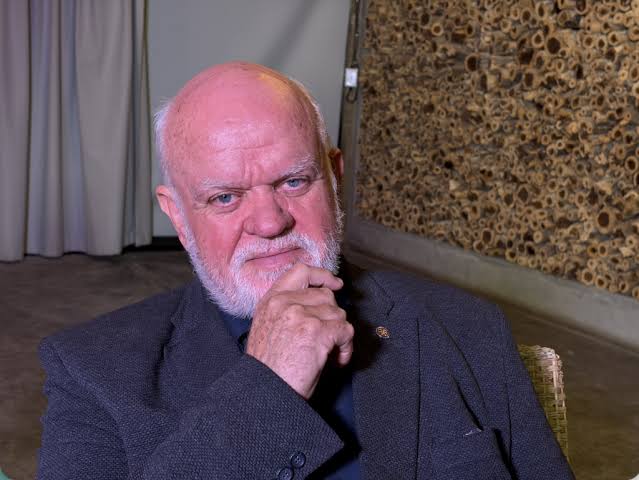
SMEs Compete co-founder Danny Meyer says there is a need to distinguish between self-employed people and entrepreneurs when discussing the state of small businesses in Namibia.
He said many informal traders earn a living but are not necessarily building businesses that can expand.
“You see a young man walking around selling eggs and polony. He’s not the entrepreneur; he is self-employed.
The entrepreneur is often the woman who wakes up at four in the morning, prepares the products and supplies several vendors who then sell them,” he said.
Meyer added that business failure statistics can be misleading because many people enter business out of necessity rather than with plans to build long-term enterprises.
“As soon as they get a job, many of them will leave because they are not entrepreneurs. They are trying to put food on the table,” he said.
Many small businesses, he said, struggle because of limited business knowledge and weak financial discipline.
“People are honest. They want to comply and avoid legal issues. The journey starts with simple things like writing down income and expenses and taking business money to the bank.”
Fenomenal Leadership founder and chief executive Fenni Nghikevali said governance challenges often go deeper than a lack of formal business structures.
“The failure is actually a discipline issue. Most of the time it is governance, but governance where the root cause is discipline and accountability,” she said.
Nghikevali explained that many entrepreneurs fail to monitor their finances properly, adding that this makes it difficult to identify problems before they become serious.
“If you don’t have discipline in terms of financial integrity and understanding where your money is going, what it is being used for and what is draining your business, that ultimately leads to your downfall if it is not managed carefully,” Nghikevali said.
She said governance should not be seen as something reserved for large corporations.
EOS Capital associate principal Etuna Hango said good governance becomes even more important when businesses seek funding or investment.
“As an investment professional, probably the most important thing is whether your numbers are in order, whether your books are in order and whether you have management accounts,” he said.
He added that “many entrepreneurs mistake cash for profit. Financial statements give a clear indication of whether you are profitable or not”.
Hango noted that governance is not always the main reason businesses fail.
“I think if we are to list the factors that lead to businesses closing, governance is probably very low on that list. The operating environment, policy issues and broader economic conditions rank higher.”