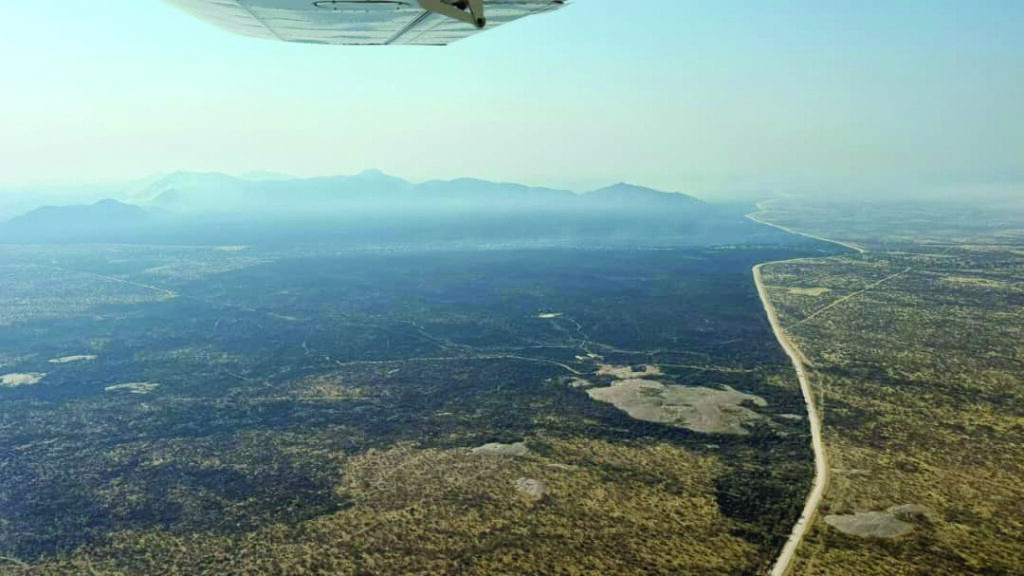
Poor preparedness and a lack of coordination among farmers hampered efforts to contain a veld fire that burned more than 10 000 hectares of grazing and natural veld in the Omaruru district.
At least six farms were affected, with about 6 000 hectares destroyed on Kompaneno alone.
The fire was brought under control on Monday night, although farmers were still dealing with hot spots afterwards.
Omaruru farmer Markus Trede says the firefighting efforts exposed gaps in farmers’ preparedness, including a lack of knowledge about roads, water points and access routes on their own farms.
Ministry of Environment, Forestry and Tourism spokesperson Vilho Angula did not respond to questions regarding the situation at the time of going to print.
“The fire is over finally. We fought until Monday night and Tuesday morning we declared it to be over. There’s always a little bit of after-work still to do,” Trede says.
He says he still found large trees burning the following day.
Trede says some of the problems experienced during the firefighting process were caused by farmers themselves. “In the end we had quite a lot of problems, also self-made problems.
Farmers made problems.
The farmers were not prepared.
They didn’t know their farms, which was really sort of ridiculous,” he says.
He says farmers did not always know where roads were, what condition they were in or how wide rivers were.
“You need to know all that to put the firebreak at the right place,” Trede says.
Firefighting efforts were largely carried by farmers, with groups from Omaruru, Kalkfeld and affected farms joining the operation. Trede says the Omaruru Municipality provided a water tanker on Saturday and Sunday to assist with the response.
“We actually got a truck, a water truck from the Omaruru Municipality on Saturday and Sunday. So we got some support from that side.
Unfortunately, the tyres broke on Sunday,” he says.
He describes the municipal assistance on Saturday as “a very nice support”.
Trede estimates that between 10 and 15 private firefighters were involved in fighting the fire.
No deaths or injuries were reported, but the fire left farmers with significant losses, particularly grazing.
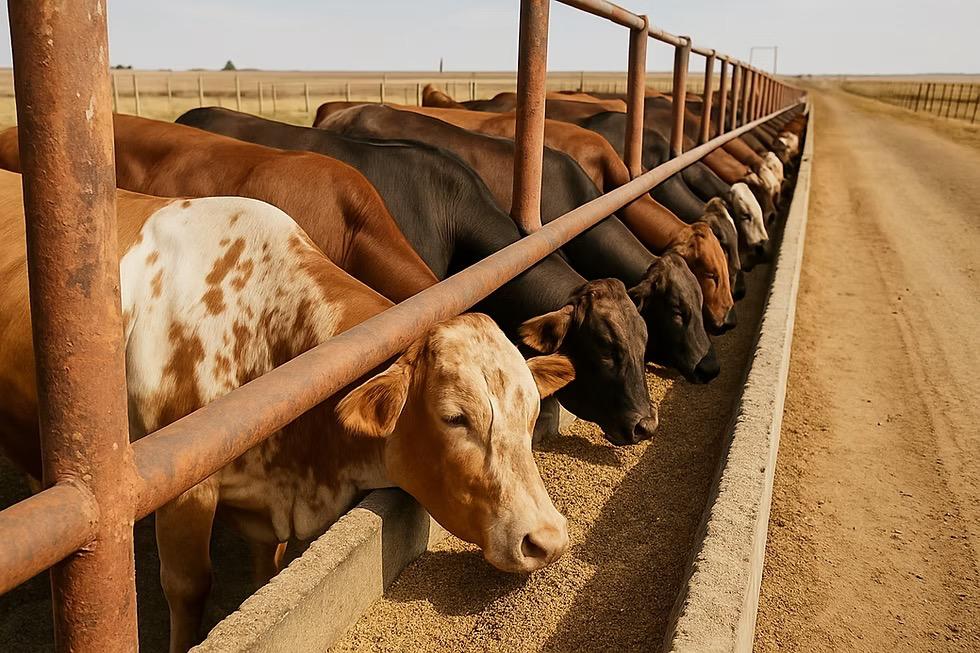
The loss of grazing could force affected farmers to find alternative grazing, buy supplementary feed or reduce livestock numbers.
Trede says the experience should serve as a warning to other farming communities to prepare before fires start.
He says farmers need to know their roads, water sources and the areas where firebreaks should be placed.
The fire has also highlighted the need for better coordination between farmers and authorities, particularly during the early stages of a veld fire.
Trede says better preparation and basic training could improve future responses without farmers necessarily needing expensive firefighting equipment.
Farmer Wilhelm Alweendo says the focus has now shifted from fighting the fire to recovering from the damage.
“The fire is finished, but the work is not finished. Now we have to look at the damage, the grazing that was lost and how we are going to recover. It will take time, and we have to work together as farmers,” Alweendo says.