




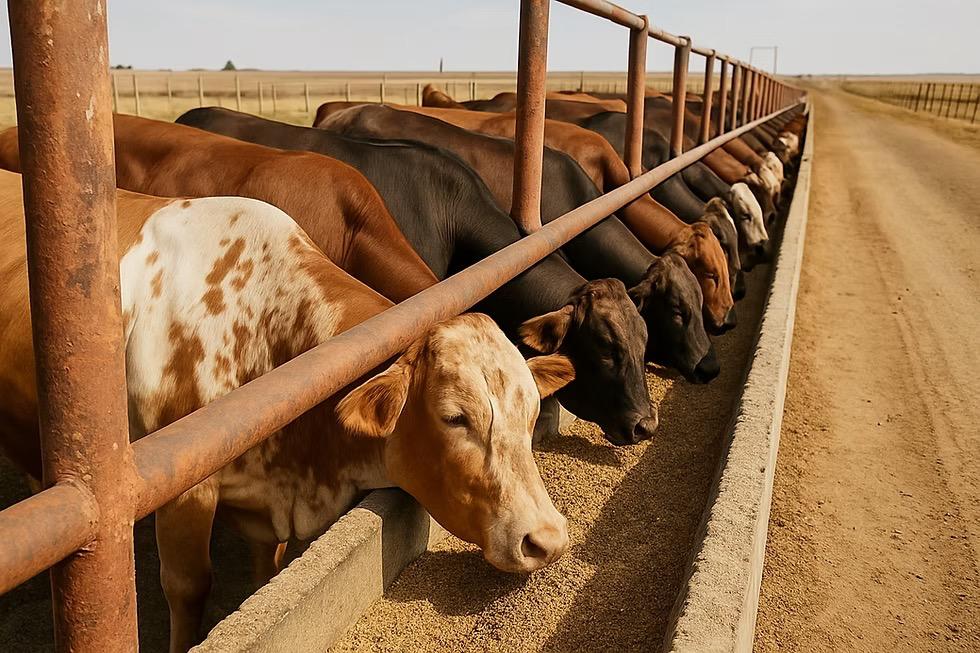
The South African Feedlot Association (Safa) has decided not to support the import of live cattle and beef products from Namibia and Botswana because of concerns over foot-and-mouth disease (FMD).
In a statement issued on Tuesday, the association says its executive committee unanimously agreed not to support the imports under the current circumstances.
The association says the decision is aimed at protecting South Africa’s livestock industry and its international beef export markets.
Safa says the decision was not taken lightly, as it could affect feedlots, cattle farmers and the wider meat industry in Namibia, Botswana and South Africa.
However, the association says protecting the industry’s future is more important than the short-term benefits of importing additional cattle and beef products.
The association says it will review its decision in the future.
“We believe that the long-term interests and sustainability of the South African red meat value chain must take priority over the short-term relief that additional imports may offer,” the association says.
Safa says South Africa’s beef export markets are important for the growth and survival of its livestock industry.
It says reopening existing export markets and securing new ones requires considerable effort, investment and confidence from international buyers.
The association fears that allowing more livestock imports during the ongoing FMD outbreak could put these efforts at risk.
It says although Namibia and Botswana face similar FMD challenges to South Africa, this does not mean imports should be allowed without considering the risks.
Safa says the movement of animals, the effectiveness of disease control measures and the possible impact on South African farmers must all be considered.
The association says South Africa’s experience with FMD has shown how difficult the disease can be to control.
It says some areas initially believed to be under control later experienced further challenges.
“We cannot afford to put the recovery of our industry at risk or undermine the confidence of our export partners for the sake of short-term relief,” the association says.
Safa acknowledges that South Africa is experiencing a shortage of calves, which has placed pressure on feedlots.
It says importing cattle from neighbouring countries could help ease the shortage, but the possible benefits must be weighed against the risks to the industry.
The association stresses that its decision is not intended to criticise Namibia or Botswana.
“Our decision is a precautionary measure based on our responsibility towards South African producers, our members and the future of the industry as a whole.”