





Opposition parties have accused the government of bulldozing the petroleum bill through parliament, warning that the move threatens democratic principles and sidelines the voices of elected representatives.
The parties say the decision to advance the bill to committee stage, despite concerns raised during debate, reflects a growing disregard for parliamentary scrutiny, with several leaders accusing the speaker of failing to give lawmakers adequate opportunities to debate the legislation.
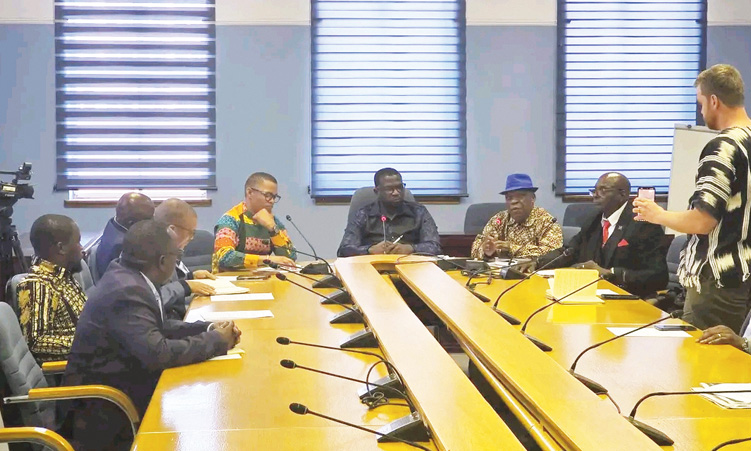
Speaking at a joint press briefing yesterday, opposition leaders condemned what they described as the abuse of parliamentary majority to push through legislation without adequately addressing serious concerns.
Landless People’s Movement chief whip Dawid Eigub said using a parliamentary majority to silence dissent was not democracy.
“Democracy is under siege. We are seeing how they are using the speaker of the National Assembly to shield dubious plans in parliament,” he said.
Eigub accused the speaker of failing to represent the interests of parliament, arguing that all lawmakers should be given an opportunity to debate bills instead of allowing legislation to be bulldozed through the house.
He also accused president Netumbo Nandi-Ndaitwah’s administration of undermining democratic processes by ignoring opposition concerns, saying the parties represented the interests of ordinary Namibians.
The bill seeks to transfer the Upstream Petroleum Unit from the Ministry of Industries, Mines and Energy to the Office of the President.
Independent Patriots for Change leader and official opposition figure Imms Nashinge said parliament should be a place where government proposals are thoroughly scrutinised and debated.
“We need to do this so we are able to look back one day and say we did a good job as leaders, but our rights, every other day, are being taken away,” he said.
Nashinge questioned provisions allowing the president to delegate powers relating to the petroleum unit to the director general, a minister, the prime minister or the vice president without being required to make the delegation public.
“How can a resource of the people remain a top secret? What are we doing to ourselves?” he asked.
He also raised concerns about a clause empowering the unit’s director general to grant oil licences, questioning the proposed arrangements around tenure, recruitment and the declaration of interests.
Nashinge said opposition parties would scrutinise the clauses line by line during the committee stage, insisting that the country’s petroleum resources belonged to all Namibians.
Affirmative Repositioning leader Job Amupanda described the decision as one of the government’s worst, accusing it of undermining democratic institutions.
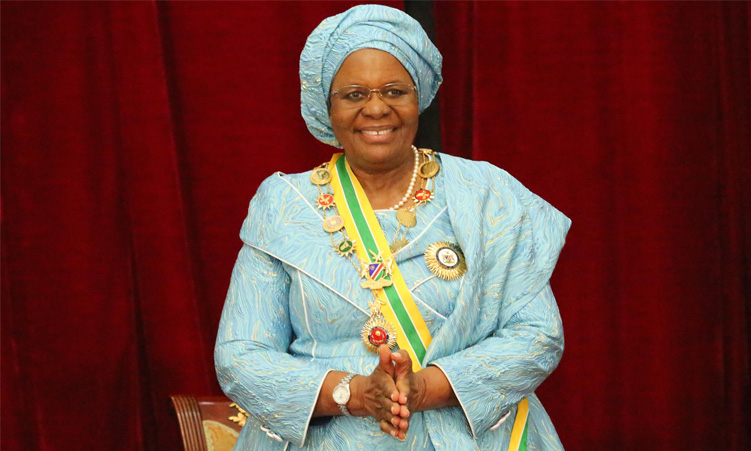
“This is the worst speaker by far, as she continues to be unruly and she deferred items without giving a reason, and in many cases her deferment takes six months to a whole year,” he said.
Amupanda also warned opposition parties to remain vigilant, alleging that Swapo could attempt to win them over individually through political tactics.
Swanu of Namibia president Evilastus Kaaronda said opposition parties could consider legal action if parliament continued to operate in this manner.
Popular Democratic Movement chief whip Dederick Vries accused the government of reversing its decentralisation agenda by centralising the petroleum unit under the Presidency.
National Democratic Party leader Lukato Lukato and Body of Christ Party leader Festus Thomas also condemned the bill’s progression, saying the opposition is being silenced despite representing the interests of the nation.
Political analyst Ndumba Kamwanyah says it is part of the democratic process, but it does not necessarily mean that the concerns raised have been addressed.
“The committee stage provides an opportunity for further scrutiny, public input, and possible amendments.
However, for democracy to be meaningful, the process must be transparent, inclusive, and responsive to citizens’ concerns,” he says.
He adds that democracy is not about passing laws; but about listening to the people and holding leaders accountable.