Concerns mount about logistical chaos
The City of Windhoek is introducing a new permit system for heavy vehicles entering the city, raising concerns about the financial burden it could impose and the city’s ability to manage it.
The municipality announced the new system last Monday, telling vehicle operators it would go live today.
“From 1 September, qualifying heavy vehicles requiring access to Windhoek for legitimate delivery, collection or other authorised purposes will be required to motivate and obtain the applicable permit,” head of urban transport and planning Pierre van Rensburg tells the road tankers association in a letter The Namibian has seen.
Operators have September to get to know the system and apply for permits. All vehicles over nine tonnes without permits will not be allowed within city limits outside of designated “industrial areas”, with the city introducing cameras to monitor heavy vehicle movements.
The city says this system is necessary to reduce the traffic of heavy vehicles within Windhoek, which is causing congestion and premature damage to the city’s roads.
“Over recent years, Windhoek has experienced a significant increase in heavy vehicle traffic using the urban road network, more specifically vehicles travelling through the city despite having no delivery or other legitimate operational requirement within Windhoek,” Van Rensburg says.
Freight moving through Windhoek should use the Southern and Western Bypass roads, he says.
“With the bypass roads fully operational, a suitable alternative route is available for heavy vehicles travelling through Windhoek without needing to enter the city for legitimate business purposes. Transit freight traffic is therefore expected to make use of the bypass road as per the signage now installed,” he says.
But the city’s new system has raised questions about heavy delivery vehicles in Windhoek.
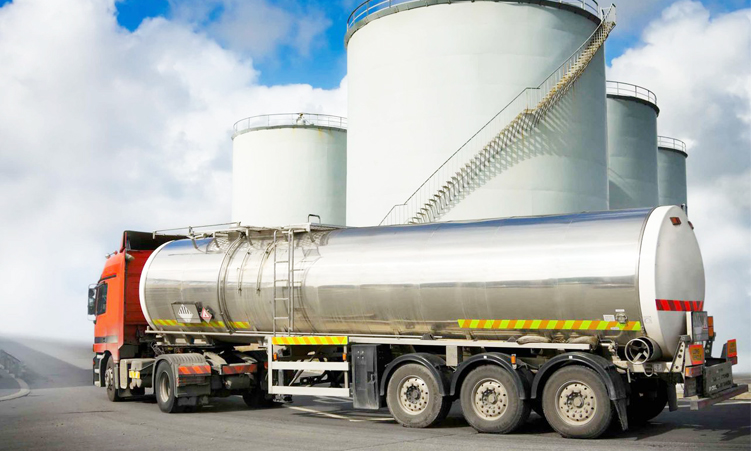
The Road Operation Tankers Association of Namibia (Rotan), which represents any company operating tankers, says fuel transporters require access to fuel stations throughout the city and suggests a lower tariff.
“The proposed permit tariff would mean the operators in and around Namibia would have to pay between two and five million per year to the City of Windhoek, which the bulk fuel transporter cannot afford,” Rotan executive director Rynier du Preez says.
The association raised these concerns to the city in May 2025, when it was first invited to comment on the permit system.
Association members yesterday told The Namibian they have received no response from the city and were informed last week to apply for their permits this week.
The association recommends an annual tariff of N$250 per year, while fining trucks without permits that travel into the city.
The tariff system the city is introducing today involves a N$600 application fee and a permit fee ranging from N$120 per month for a nine-tonne truck to N$500 per month for a truck heavier than 32 tonnes.
Each company is required to pay between N$2040 and N$13 200 per year for each vehicle.
“For us, this will make things difficult,” Crossroads Namibia managing director Robert Benade said yesterday.
Bulk fuel tankers like Crossroads deliver the fuel to service stations like Puma, Total, Vivo and Nasan.
“We will have to ask the clients more money to recover the permit costs. However, we deliver in a regulated system. Somebody is going to take the knock. We can pass the cost onto our customers, but they are already under pressure themselves,” Benade said.
He also raised doubts about the municipality’s ability to process permits every month.
“Can you imagine the City of Windhoek must issue 700 to 1 000 permits per month? The city is not at all [capable],” he said.
City of Windhoek spokesperson Lydia Amutenya yesterday said truck owners would be allowed to apply for permits of up to 12 months per permit, reducing the application costs and logistics for the municipality.
“The month of September 2026 has been designated as a public awareness and stakeholder engagement period. During this time, the city will intensify its mobilisation and sensitisation efforts to ensure freight operators, transport companies and affected stakeholders are fully informed about the permit application process, designated routes and compliance requirements before enforcement commences,” she said.