





The parliamentary standing committee on economy, industry, public administration and planning has launched public hearings regarding whether Namibia’s current laws adequately protect citizens from exploitation by lending institutions and informal money lenders.
The hearings stem from a motion referred to the committee by the National Assembly in September 2025, calling for scrutiny of the growing household debt crisis and the effectiveness of existing consumer protection measures.
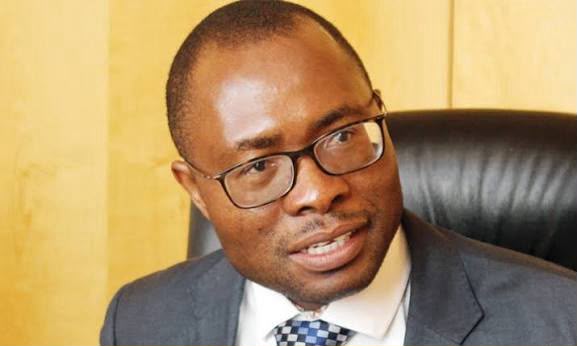
Committee chairperson Iipumbu Shiimi on Friday said rising levels of indebtedness among households, particularly civil servants, have become a matter of national concern. Recent figures show a sharp increase in loans disbursed by microlenders, with payday loans accounting for 82% of new loans issued, indicating that many households are borrowing to meet daily living expenses rather than build assets.
A key focus of the inquiry is the payroll deduction code system used in the public service, which allows loan repayments to be deducted directly from salaries before funds reach employees’ bank accounts. While the system reduces repayment risks for lenders, concerns have been raised that it may encourage excessive borrowing and weaken affordability assessments.
Shiimi noted that some deductions reportedly exceed sustainable income levels, contrary to provisions of the Labour Act, which limits total deductions to one-third of an employee’s remuneration.
The committee is examining whether current regulations are sufficient to protect consumers from predatory lending practices and whether interest rates charged by microlenders are fair.
“As part of the process, the committee heard submissions from the Office of the Prime Minister, the Public Service Commission, the Teachers Union of Namibia and the Public Sector Union of Namibia, with further consultations expected this week with other institutions,” he said.