




The Omaheke region has only three social workers serving all seven constituencies, placing severe strain on social welfare services.
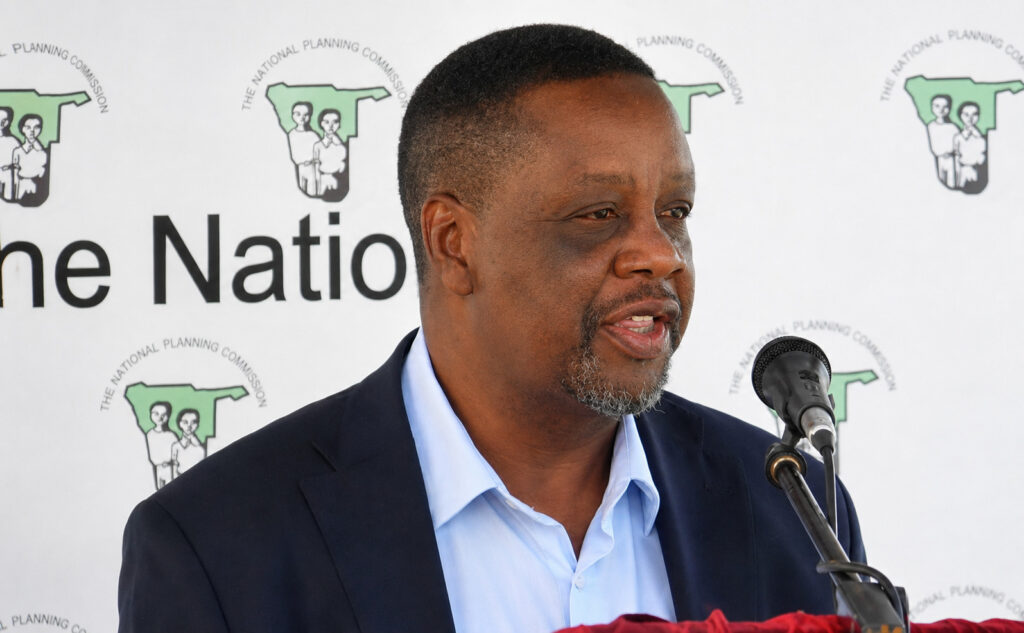
In a recent interview with The Namibian, Omaheke governor Pijoo Nganate said vulnerable children and survivors of gender-based violence (GBV) are among those most affected because they struggle to access essential social welfare services.
He said limited funding for emergency interventions, rising numbers of clients, staff burnout and key vacant positions continue to place pressure on the region’s already stretched resources.
“Social service delivery is severely constrained by the critical shortage of social workers,” he said.
He said the region does not have emergency shelters or designated places of safety for vulnerable individuals requiring immediate protection.
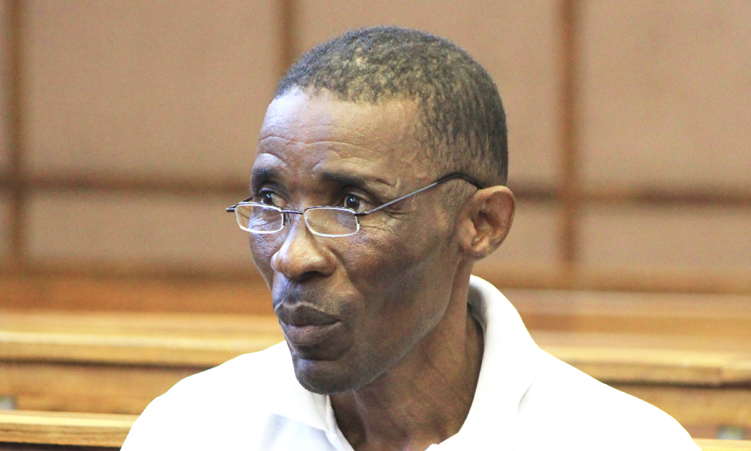
Private social worker Pauline Haimene says available social workers often suffer from burnout, stress and fatigue as they often have to put in long hours to finish the work.
She says sometimes social workers serve broader communities.
“The ratio of clients per social worker is extremely overwhelming.
“It even takes a personal toll on you as you spend more time solving clients’ problems at the detriment of your own family. While you’re solving their problems, your family is falling down,” she says.
The Ministry of Gender Equality and Child Welfare says recruitment of more social workers is challenged by the lack of qualified social workers and limited funded posts within the approved public-service establishment.
Ministry spokesperson Lukas Haufiku on Friday said additional posts have been approved nationally, but can only be filled as funding becomes available.
“Qualified social workers are in high demand across institutions, including the Ministry of Health and Social Services, correctional facilities, police and private sector organisations,” he said.
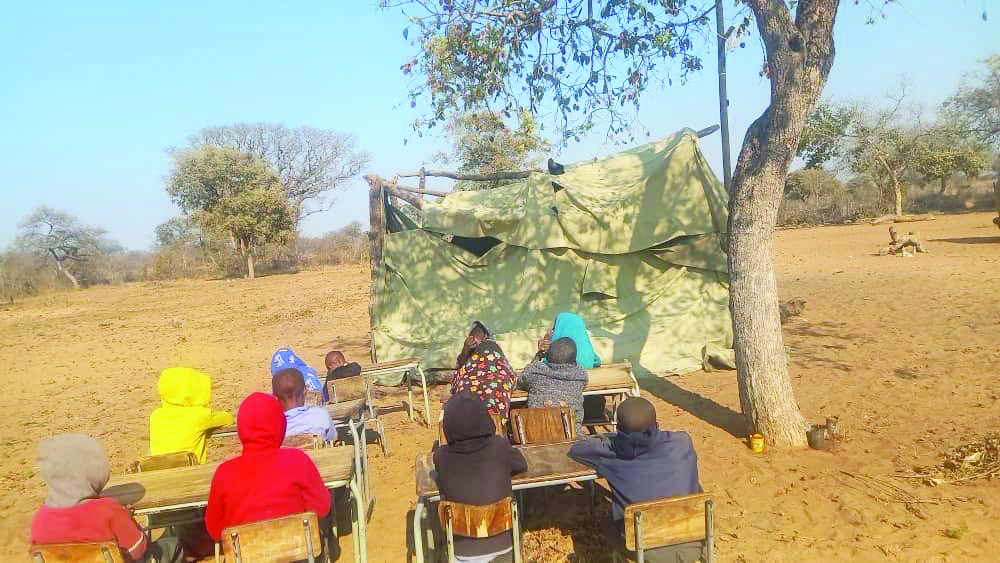
Haufiku said the shortage has limited the ministry’s ability to respond promptly to cases, conduct regular follow-ups and expand preventative and community-based programmes, especially in remote areas.
He said high caseloads may result in delays in child-protection investigations, counselling, family assessments, court reports and follow-up services.
Survivors of GBV may also face delays in accessing psychosocial support, he said.
“Urgent and life-threatening cases are prioritised, but the limited staffing affects the continuity of services,” he said.
Independent Patriots for Change shadow minister of gender equality Lilian Lutuhezi describes the situation as “deeply concerning”.
She says the issue reflects a lack of investment in a ministry responsible for protecting the most vulnerable members of society.
Lutuhezi says having three social workers cannot meet the needs of an entire region, especially one with communities spread across vast distances.
“Children at risk may not receive protection on time, survivors of GBV may wait longer for help, families in crisis may not get the support they need, and older persons and persons with disabilities may be left without essential social services,” she says.
She calls on the ministry to urgently fill vacant posts and deploy additional social workers to the region, adding that government cannot wait until the next budget to respond.
Lutuhezi says the ministry continues to receive a tiny fraction of the budget despite its enormous responsibility, adding that the next budget must change.