



OMARURU’S political, business and private community must come up with innovative ways to do business and establish an attractive, practical, business environment to keep the place from becoming a ghost town.
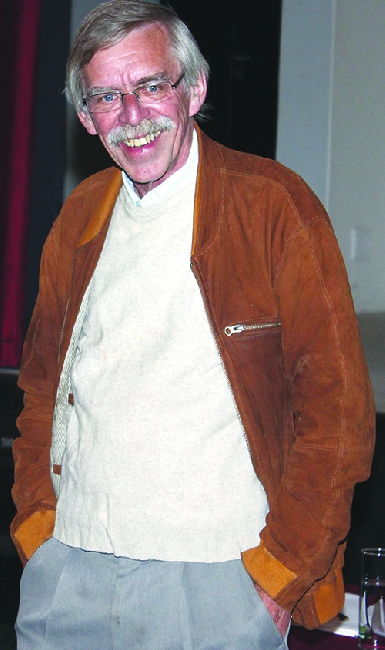
“The future of Omaruru is in your hands,” development expert, prof Rainer Trede of Development Consultants for Southern Africa (Decosa), told the business chamber last week.
The Omaruru branch of the Namibia Chamber of Commerce and Industry (NCCI) invited Trede to speak about the economic potential and challenges the town faces, and the stark possibility of Omaruru becoming a ghost town if these issues are not addressed boldly and creatively.
The main concern is that the planned tarring of the C35 route from Henties Bay to Uis to Khorixas, which is expected to link with the C39 from Khorixas to Outjo, will reduce tourism traffic through Omaruru.
The reason for the tarring of the road is that it will facilitate increasing import and export cargo traffic from Walvis Bay to the North and Namibia’s northern neighbours.
The increased traffic is a result of Namport and the Walvis Bay Corridor Group’s goal to make Walvis Bay the preferred gateway harbour for landlocked southern African nations. The new road (to cost about N$3 billion to tar) is expected to cut transport time by one and a half hours.
Trede said that Omaruru already has an “excellent basis” for economic growth and was known to tourists, but he bemoaned the fact that the town is one of very few local authorities that does not have an economic development strategy.
“This is a real problem and that’s why economic development is stagnating. The business community must work together,” he said. “Omaruru could become a second Kalkveld, but not tomorrow because of this. It’s in your hands.”
The town’s strengths lie in some unique products, events and infrastructure.
Some special features include a chocolate factory; a winery; the annual artists’ trail and the Herero white flag day. There are also numerous artists shops, galleries and accommodation establishments, while there is also historical value to the town.
The tar road could therefore be a benefit to the creative character and environment of Omaruru; it will keep truck traffic and allow for a quieter environment on which businesses should capitalise, but it will be up to the community how they will capitalise on this.
Local businesses have lost faith in the ability of the current – suspended – local authority council to support economic growth, and Trede said that businesses would then have to do it themselves.
Omaruru, however, needs proper marketing and a strong business community to lobby for government support outside of the the local authority.
“You need to get more members and meet and come up with creative ideas. You need to get the town’s services, products, features out there to attract investors and to attract tourists,” he said.
Trede is currently contracted by the Erongo Regional Council to compile a regional economic profile in which the various towns’ and constituencies’ potentials and challenges for economic development are presented.