Omaheke governor Pijoo Nganate on Monday welcomed the Ministry of Home Affairs, Immigration, Safety and Security’s national electronic identity (e-ID) awareness campaign to the region.
He said it was an honour that Omaheke had been chosen as the first stop in the nationwide stakeholder engagement drive.
Nganate made the remarks during a courtesy visit by a joint delegation from the ministry, the United Nations Development Programme (UNDP), the Communications Regulatory Authority of Namibia (Cran) and e-ID campaign ambassadors.
“I really felt honoured and privileged that you thought about Omaheke. It is fitting that the initiative starts in the regions because that is where communities are,” the governor said.
The engagement formed part of preparations for the planned rollout of Namibia’s e-ID system in September and focused on explaining the benefits of the digital identity programme, while addressing public concerns over data protection and privacy.
Deputy executive director and chief registrar in the ministry Jackson Wandjiva said consultations with government institutions, regulators, the financial sector and the public had shown that many misconceptions about the project stemmed from a lack of information.
“Where there is no information, there is fear of the unknown,” he said, adding that public awareness campaigns and community engagements are intended to build trust ahead of the rollout.
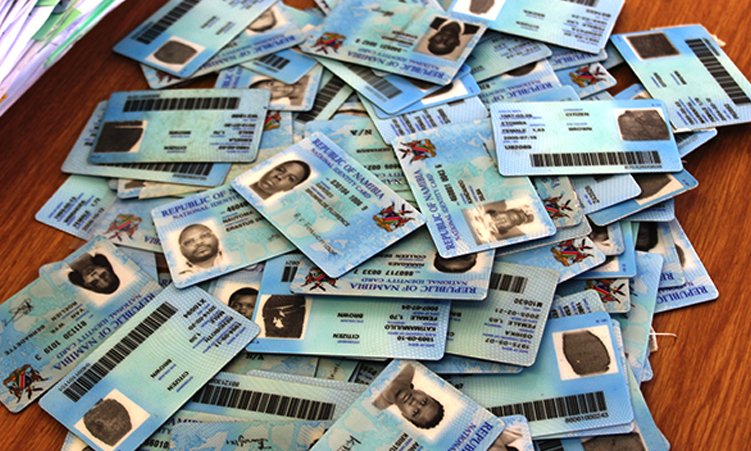
Wandjiva said all existing Namibian identity cards, including pre-independence South West Africa identity cards, blue identity cards and the current machine-readable cards, remain valid until the ministry officially announces their phase-out.
Citizens applying for new or replacement identity cards will receive the new electronic identity card once implementation begins.
UNDP governance, responsive institutions and civic engagement programme head Geraldine Itana said the e-ID system is expected to improve public service delivery, strengthen regional planning through better access to data and reduce fraud in government social protection systems.
She said the project is underpinned by legal safeguards to ensure ethical access to information, data minimisation and citizen consent regarding the use of personal information.
UNDP digital ID and e-governance specialist Debashis Nag also dismissed claims that Namibian citizens’ data would be stored outside the country.
“The data under the e-ID will be governed and managed in-country by Namibians for Namibians,” he said, adding that public communication is essential to building trust and addressing misinformation surrounding the project.
Nag said Namibia is able to benefit from international experience, including lessons learned from India’s digital identity programme, while developing a system suited to its own legal and governance framework.
The delegation also introduced e-ID campaign ambassadors, who are tasked to engage communities and promote understanding of the new identity system.
Brand ambassador Wally Ronaldo said the ambassadors were selected to help build trust, particularly by working with communities they can closely relate to.
The national e-ID campaign is expected to continue with stakeholder engagements in other regions ahead of the planned rollout in September.
– Nampa