Pupil enrolment in the Ohangwena region has increased by 5 800, from 130 479 in 2025 to 136 279 in 2026, reflecting growing demand for education services.
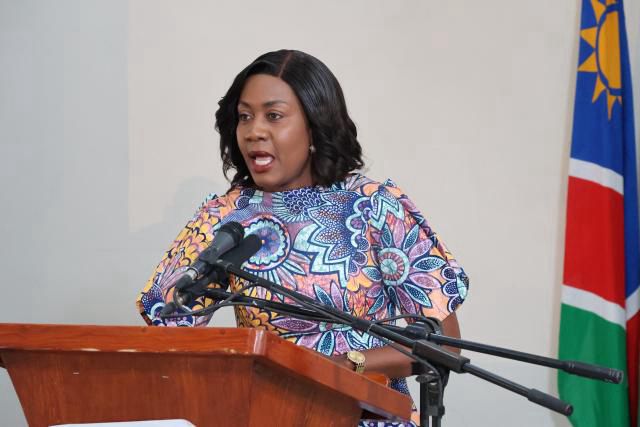
Delivering her state-of-the-region address at Eenhana on Friday, governor Kadiva Hamutumua said the 4.45% increase in pupil enrolment has been matched by growth in the teaching workforce, which rose from 4 661 teachers in 2025 to 4 906 this year.
She said the government remains committed to providing quality education and training, with the aim of equipping pupils with skills that respond to the demands of the modern economy.
Hamutumua said the government is also advancing reforms to strengthen the education sector, including the phased implementation of subsidised tertiary education for undergraduate students from low-income households.
“The eighth administration remains firmly committed to the provision of quality education and training, with a clear objective of ensuring that graduates are equipped with relevant skills that respond to the demands of the modern economy,” she said.
She noted that demand for secondary education has continued to increase, resulting in the number of schools offering the Namibia Senior Secondary Certificate Advanced Subsidiary (NSSCAS) programme rising from 11 to 16.
She said the region ranked fourth nationally in the NSSCAS examinations, with 70.76% of pupils achieving quality symbols.
At the Namibia Senior Secondary Certificate Ordinary (NSSCO) level, the region improved to sixth place nationally, with 37.36% of learners attaining quality symbols.
Hamutumua also reported improvements in foundational learning following the end-phase Grade 3 assessment conducted in 2025, in which 12 391 pupils participated.
According to the assessment, literacy levels increased from 44.5% to 47.35%, while numeracy improved significantly from 25.51% to 43.08%.
In adult education, 1 040 learners enrolled in basic literacy programmes, while 578 progressed to post-literacy programmes.
Community learning initiatives also recorded positive results, with 969 parents participating in family literacy programmes and 1 697 community members receiving training through the Community Learning and Development Centre.