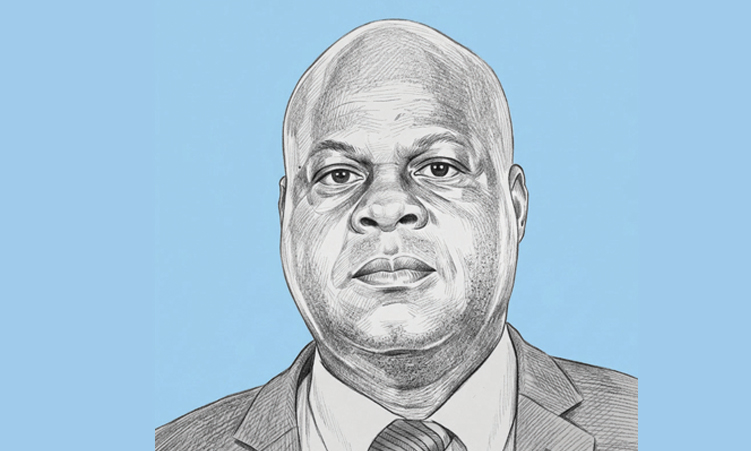
Namibia’s new Anti-Corruption Commission (ACC) director general Bryan Eiseb has made an encouraging start to his tenure by singling out unexplained wealth as a key pillar in fighting corruption.
Addressing an event in Windhoek last week, Eiseb said “the significance of unexplained wealth is that it shifts attention from the corrupt act alone to the benefits derived from corruption”. He added:
“After all, if corrupt individuals cannot safely enjoy the proceeds of their crimes, the incentive to engage in corruption is significantly reduced”.
For years, the Namibian government has tip-toed around the issue of lifestyle audits. Yet, corruption scandals continue to prove that lifestyle audits could have detected the abuse of public resources earlier.
Eiseb, who took over from Paulus Noa, is now pushing for lifestyle audits, asset tracking, and unexplained wealth orders to target public officials with illegal riches.
That is commendable if implemented.
Mandatory lifestyle audits for all political office bearers and senior public officials will send a clear message to corrupt public officials.
In Namibia, where the economic realities of ordinary citizens contrast sharply with the visible affluence of a select few, the necessity of routine lifestyle audits for public officials and political office bearers has evolved from a progressive ideal into an urgent governance imperative.
Namibians are fed up with corruption and its consequences.
In the 2025 Transparency International Corruption Perception Index, Namibia dropped to a score of 46/100, placing it 65th globally.
It shows public trust in the government’s anti-corruption efforts has dropped to an all-time low and points to unpunished corruption by officials, restricted civic space, and delayed legal reforms as drivers of the weak score.
When those entrusted with managing the nation’s resources appear to enjoy lifestyles that exceed their legitimate means, society’s foundational trust quickly crumbles. It sends the wrong message: that the only way to succeed is to take what’s not yours.
That’s why we agree with Eiseb that corruption affects service delivery.
When public resources are diverted through kickbacks, procurement manipulation, or the abuse of office, the vulnerable feel the consequences most acutely.
Eiseb, who led the Financial Intelligence Centre, emphasised that to address these failures, state integrity mechanisms need to focus heavily on proactive prevention rather than relying solely on reactive prosecutions.
Catching culprits after the wealth has been siphoned off and hidden rarely restores public confidence.
When a public servant on a modest salary acquires multi-million-dollar properties, luxury vehicles, or vast commercial interests without a verifiable secondary source of legitimate revenue, a clear red flag is raised.
If public officials know that accumulating unexplained assets will trigger immediate administrative and financial scrutiny, the financial incentives driving corrupt behaviour are significantly reduced.
Critics sometimes argue that lifestyle audits infringe on personal privacy or pose administrative challenges. However, holding public office or exercising political authority is a privilege that by its nature demands higher standards of transparency and ethical leadership.
Financial privacy cannot serve as a shield for illicit enrichment at the expense of national development.
It seems the new ACC boss is well aware of the practical and theoretical ramifications of corruption. Now, as they say, the hard work starts.