

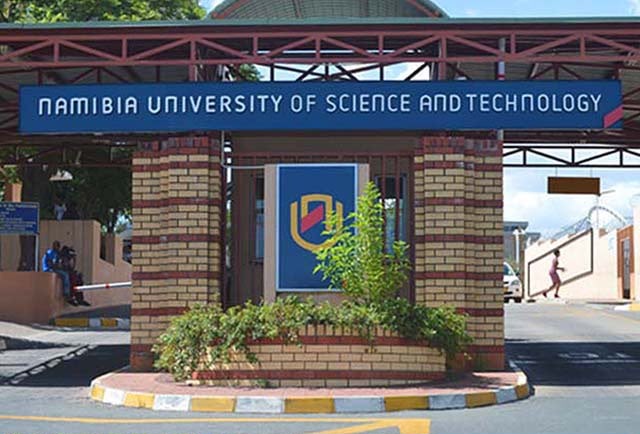
The Namibia University of Science and Technology (Nust) is exploring opportunities to place 55 medical laboratory sciences students at universities within the Southern African Development Community (SADC) region following constraints on professional training capacity.
Nust spokesperson Cindy van Wyk says the 2025 intake into the bachelor of medical laboratory sciences programme was the largest since its inception in 2008, with 150 students enrolled.
“The size of the cohort placed significant pressure on the practical training capacity required for the programme, particularly regarding work-integrated learning (WIL).
“This placed additional strain on available training placements, laboratory facilities, and professional supervision,” Van Wyk says.
This comes after more than 120 medical laboratory sciences students raised concerns over their academic progression amid limited WIL placements, with the Namibia National Students Organisation (Nanso) calling on Nust and relevant authorities to provide written clarity on their placements and future.
Van Wyk says medical laboratory sciences is a professional programme that requires students to receive appropriate practical training in accordance with regulatory requirements from the Health Professions Council of Namibia (HPCNA).
“Nust is committed to expanding access to higher education without compromising the quality of academic and professional training provided to students,” she says.
She says the university had taken steps to comply with the HPCNA directive and align student numbers with sustainable training capacity.
Van Wyk says 50 students had been selected for placement in accordance with the available professional training capacity, with the necessary documentation submitted to the HPCNA.
“The HPCNA issued them with student medical laboratory scientist registration certificates,” she says.
A further 55 students are unable to progress to placement due to capacity constraints.
“Nust is therefore exploring opportunities for placement at universities within the SADC region that offer comparable qualifications in Medical Laboratory Sciences,” Van Wyk says.
She says Nust would provide the relevant support to facilitate the transfer of the affected students.
Twenty students who do not meet the admission requirements for the medical laboratory sciences programme will be considered for placement in other programmes of their choice at Nust for the January 2027 intake, subject to meeting the applicable admission requirements.
Another 48 students who have outstanding modules from either their first or second year will be required to complete and clear all outstanding modules before progression.
Nust did not admit a new cohort into the bachelor of medical laboratory sciences programme for the 2026 academic year, and applications for the programme remain closed for the 2027 academic year.
Van Wyk says the measures were intended to place the programme on a sustainable and quality-assured footing, with student numbers aligned with available facilities and practical training capacity.