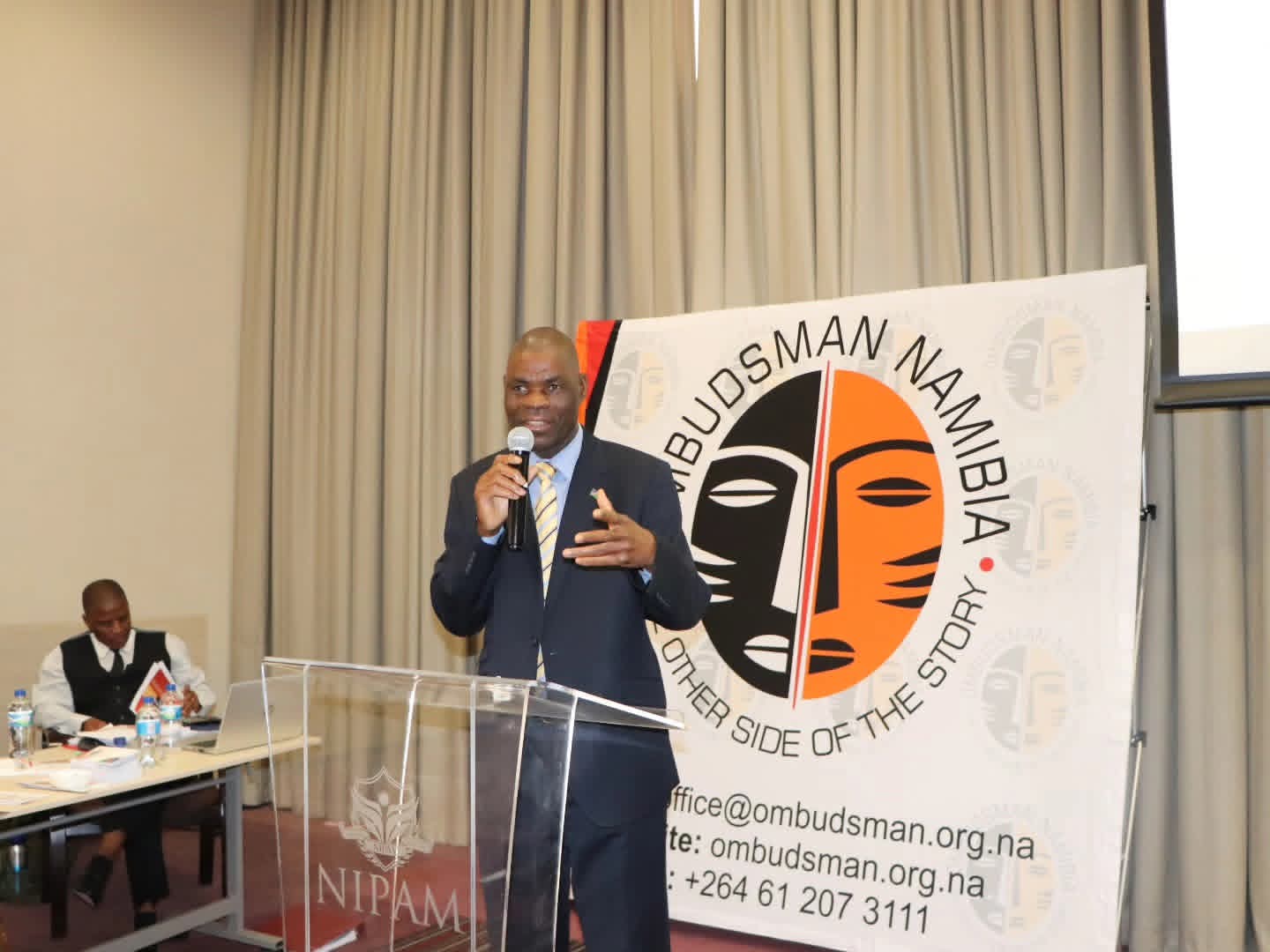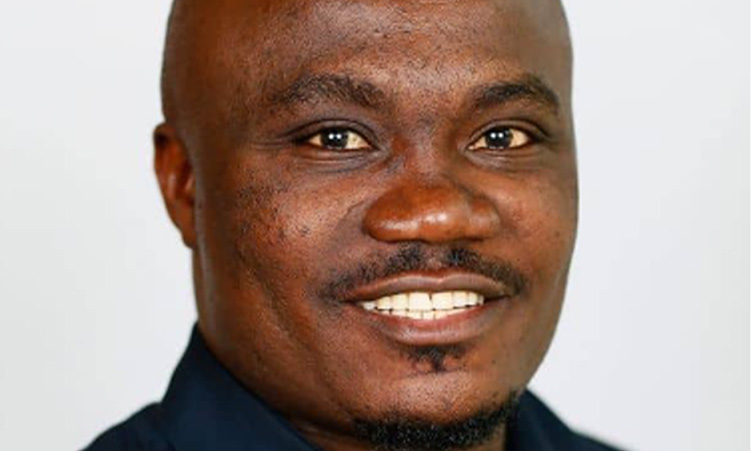
Newly appointed media ombudsman Sadrag Shihomeka calls on journalists and media professionals to recommit themselves to ethical journalism, underlining the importance of fairness and accuracy in their work.
Shihomeka was announced as the new media ombudsman by the Editors’ Forum of Namibia on 24 July, replacing John Nakuta.
Shihomeka said this in an interview with The Namibian Broadcasting Corporation last week.
“We should try by all means to commit ourselves and to uphold the principles of ethical journalism, especially the journalists and media practitioners,” he said.
“Those principles are fairness in whatever we are doing, accuracy and we should be accountable for whatever outcome may come.”
Shihomeka stressed the importance of self-regulation by media houses before publishing or broadcasting content, saying media organisations should take responsibility for the content they disseminate to avoid issues such as misinformation and bias.
He said his office would use social media, radio programmes and seminars to educate the public on how to lodge complaints, what the process entails, and what steps to take if they are dissatisfied with the outcome.
“I will be on social media to observe. I will not control everyone’s behaviour on social media, but I need to be there to see what is happening,” he said.
“I will be using technology to enhance the effectiveness of my office, digital tools that can help track complaints, analyse trends and monitor communication with the audience regularly.”
According to Shihomeka, the use of digital tools will also make the office of the media ombudsman more accessible to the public.
He explained that complaints must be lodged as soon as possible, and no later than 14 days after the date of publication or broadcasting of the contested content.
Complaints can be submitted via mobile phone or email, he said.
Once received, the ombudsman may request that the complainant provide a copy of the material that was published or broadcast, he said.
“This allows me to look at the content and assess the issues raised by the person who feels aggrieved,” he said.
Shihomeka made it clear that his office will not accept anonymous complaints or complaints that appear fraudulent, malicious or outside the scope of his mandate and the applicable media code of conduct.
“I am not an anti-corruption office. So colleagues must not come to me to report cases that have to do with corruption.”
He further clarified that his office does not handle employment disputes, including dismissals, unless the dismissal is directly related to content a journalist has published.
Shihomeka encouraged members of the public to be observant and cautious when sharing personal information with media houses.
“The public must ensure that the information they provide to media houses is kept confidential, unless it is in the public interest for it to be disclosed,” he said.
“Media houses must ensure they regulate themselves to stay clear of misinformation, bias and other ethical issues.