THROUGHOUT HISTORY, TECHNOLOGICAL progress has reshaped what it means to be human.
Today, the rapid rise of emerging technologies – from artificial intelligence and quantum computing to biotechnology and augmented reality – holds enormous potential to benefit society, but also raises profound ethical, legal and safety concerns.
Among these, neurotechnology stands out for its ability not only to improve lives, but also to challenge the very foundations of our ethical and philosophical frameworks. But what exactly is neurotechnology?
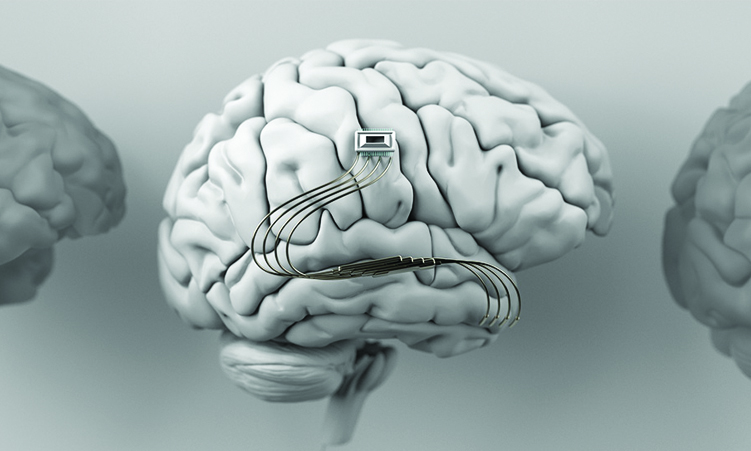
Broadly defined, neurotechnology refers to any electronic device or method used to read or modify the activity of neurons in the nervous system. This includes invasive and non-invasive brain-computer interfaces (BCIs), neuroprosthetics, deep brain stimulation (DBS), and bioelectronic devices that interact with the spinal cord and peripheral nervous system.
By connecting directly to the brain and nervous system, neurotechnologies can analyse, record and even influence neural activity with great precision. This opens the door to major therapeutic applications for mental health and neurological conditions such as Parkinson’s disease, Alzheimer’s, stroke, anxiety, depression, addiction, hearing loss and blindness – all areas where clinical trials already show promising results.
However, the utility of neurotechnology extends well beyond medicine. In education, BCIs are being tested to enhance learning and cognitive performance. In entertainment, they enable ‘thought-to-text’ communication and immersive virtual reality experiences powered by brain signals. In criminal justice, speculative proposals suggest using neuroimaging to detect intent or deception. And in military research, neurotechnologies are being developed to augment soldiers’ physical and cognitive capacities, including brain-controlled exoskeletons and advanced weapons systems – what some have described as a ‘neuro-arms race’.
Yet these advancements bring significant and underexplored risks. Technologies that stimulate or interfere with brain activity – whether via implanted electrodes, optogenetics or external electromagnetic fields – create artificial pathways between the brain and the outside world, bypassing natural sensory and motor processes. This can result in unintended neural changes, cognitive disruption, abnormal behaviour or psychological distress.
Such interventions raise pressing ethical questions: Could they compromise personal identity, memory or mental privacy? Might they be used to manipulate beliefs, motivations or desires? And what are the moral implications of enhancing human capacities beyond natural limits?
There is also a risk that neurotechnologies could widen social inequality, entrench discrimination, or concentrate power in the hands of a privileged few. The key policy challenge is not whether to permit such technologies, but how to govern them responsibly – with ethical safeguards, enforceable safety standards, and a clear commitment to human dignity.
It is within this context that Namibia actively participated in the United Nations Educational, Scientific and Cultural Organisation (Unesco) Intergovernmental Special Committee meeting to draft the Recommendation on the Ethics of Neurotechnology, held in Paris this year.
This forthcoming recommendation builds on the Universal Declaration on Bioethics and Human Rights, combining globally accepted ethical principles with concrete policy guidance. It offers Unesco member states a shared normative framework for the responsible development and governance of neurotechnologies.
The recommendation is expected to be adopted at Unesco’s 42nd General Conference in November.
– Immolatrix Geingos