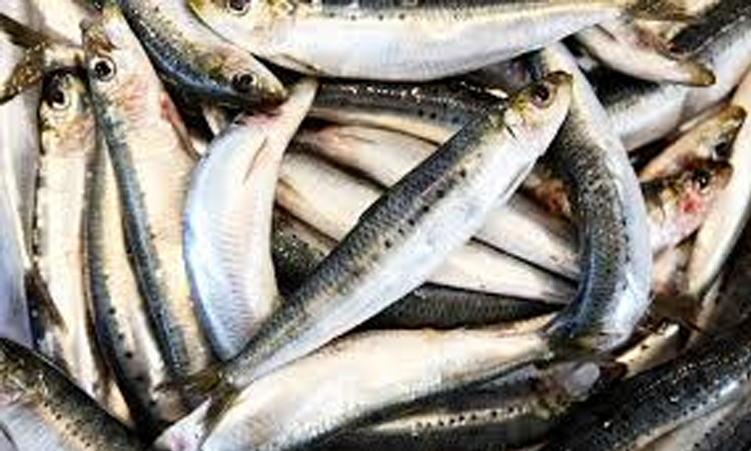
Pilchard bycatch has increased from 608 tonnes in 2020 to more than 11 000 tonnes in both 2024 and 2025, despite the species remaining under moratorium.
Figures released by the Ministry of Agriculture, Fisheries, Water and Land Reform show that 11 397 tonnes of pilchard bycatch involving 16 vessels were recorded in 2025, compared to 11 571 tonnes involving 20 vessels in 2024.
The figures were released in response to The Namibian’s questions on bycatch levels in the fishing sector.
Bycatch refers to fish or other marine species caught in an attempt to catch other species.
The ministry describes the increase as a major concern, because pilchard is a regulated species currently under moratorium.
“A major concern as it is observed mainly in the total allowable catch of regulated species such hake, horse mackerel and pilchard, particularly due to the fact that pilchard is under moratorium,” fisheries ministry spokesperson Romeo Muyunda says.
The figures show that pilchard bycatch remained below 2 000 tonnes between 2020 and 2022, before increasing sharply in recent years.
In 2021, pilchard bycatch stood at 1 943 tonnes involving 12 vessels.
The figure dropped to 1 460 tonnes involving 13 vessels in 2022, before increasing to 6 398 tonnes involving 18 vessels in 2023.
The ministry warns that increasing bycatch could threaten marine biodiversity and fish stocks if not properly controlled.
“If not managed, it can result in total landings exceeding the total allowable catch, ultimately leading to overfishing. In the long term, this may cause the collapse of fish stocks,” Muyunda says.
According to the ministry, recent bycatch trends may suggest that target species are becoming scarce or that bycatch species are being landed for their economic value.
The ministry also acknowledges concerns that existing punitive measures may not be effectively discouraging operators from landing high bycatch volumes.
The issue comes amid debate in the fishing sector over restrictions inside the 200m isobath, an area used to protect breeding and nursery grounds for commercial fish species.
The government has been moving to formalise restrictions on trawling inside the 200m isobath following concerns about fishing activity in sensitive marine areas.
Scientists and industry players have previously warned that fishing in protected breeding areas could affect the recovery of species such as pilchard.
Fisheries Observer Agency chief executive Stanley Ndara says rising bycatch despite penalties points to broader problems in the legal and law enforcement system.
“Fisheries observers on board help detect violations, but penalties that are not speedy, certain, or sufficiently severe, together with legislative ambiguities, may fail to deter compliant behaviour,” he says.
“This implies that the core issues may lie in the Marine Resources Act’s punitive design and in procedural limitations within the Criminal Procedure Act, rather than solely in on-the-ground policing of both fisheries inspectors and observers,” Ndara says.
He says repeated links between the same companies or vessel owners and high bycatch levels suggest a systematic pattern.
“From a fisheries management perspective, repeated links between the same companies or vessel owners and high bycatch levels strongly suggest systematic patterns rather than random, area-specific bycatch,” he says.
The ministry says fisheries observers are deployed at sea to monitor catches while inspectors verify catches at landing sites.
Current penalties include charging 15% of the landed value for bycatch species under the Marine Resources Act.
The Cabinet has since approved stricter measures, including increasing the landed value charged per kilogramme of bycatch from 15% to 50%.