





THE Namibian Broadcasting Corporation (NBC) recorded a deficit of N$10 million in the financial year ended March this year.
In 2010, the NBC’s budget deficit stood at N$42 million and N$43 million the following year. These included a number of write-offs where certain assets shown in the books did not exist anymore.
For the last three years, the corporation has showed a break-even – a N$3 million deficit in 2013, a surplus of N$14 million in 2014 and now a deficit again of N$10 million in 2015.
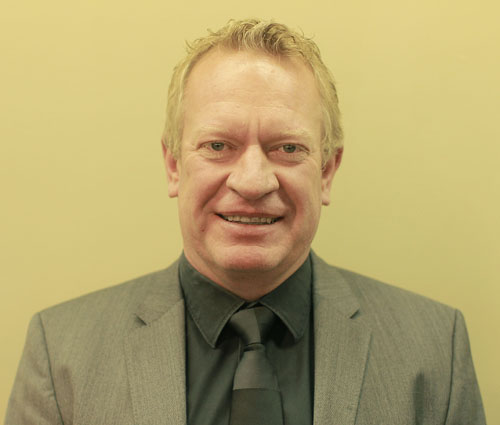
“One must add that the numbers of the last three years still included some write-offs. All in all we are very pleased with where we are today,” said board chairman Sven Thieme when he released the financial results yesterday.
The deficit is in spite of the corporation recording revenue amounting to N$100 million, which was its financial target.
The income was derived mainly from TV licences, advertising and tower rentals. During this time, the digitalisation of the NBC has exceeded 67% national coverage.
Yesterday, Thieme said the new board will continue from where the previous left off in ensuring the implementation of strict financial control measures to further improve the public broadcaster’s finances.
The new board, whose term ends in May 2020, comprises Thieme, Andrew Kanime, Inonge Mainga, Moses Matyayi and Wilhencia Kanjegerue-Uiras.
Thieme said the previous board had set itself a vision with three overarching vision metrics when it took over – own revenue increased to N$100 million, leadership training for all and exceeding 67% coverage of Digital Terrestrial Television (DTT). All these targets were reached, he said
In addition, the board has introduced monthly management accounts and other proper financial reporting systems.
“We have cleaned up the books and we now submit annual financial statements on time,” Thieme said.
On the issue of concerns that have been raised over the corporation’s continued dependence on government subsidies, Thieme said this will continue as the public broadcaster fulfils a national role in terms of making radio and television available to everyone.
“NBC will always be funded by Treasury. If we were to run the NBC on a commercial basis, you would cut down on infrastructure costs that do not give a return. So for example, you would only retain the large cities where you know you can recover your costs.
The subsidisation by government has increased and is due to the heavy investment programme into the backlog of desperately needed infrastructure investment and digitalisation. Strictly speaking, you would have to split the funding by government between infrastructure investment and operational expense support to get a clear picture,” he said.
The NBC runs radio broadcasting in 10 Namibian languages and on three public service TV channels. It further broadcasts beyond the Namibian borders on the DSTV audio bouquet and online.