





Carbonsate is a startup company that removes biomass and buries it underground.
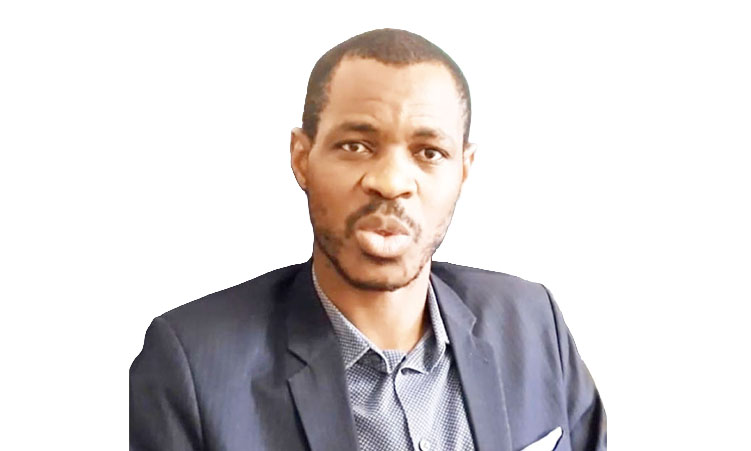
In Namibia, the company targets bush encroachment and works with farmers to remove bush and restore the land. Carbonsate recently announced a 50 000 tonne carbon removal agreement with Senken. The Namibian interviewed Carbonsate founder Fabian Sperling to find out more about his work.
Carbonsate’s newly-announced agreement is to sell carbon credits generated in Namibia to the market. What are carbon credits?
Fabian Sperling (FS): Essentially, carbon credits are a way for companies who have limited ways of reducing their carbon emissions [in their own value chain] to finance the reduction or the removal of emissions somewhere else where this might be better done. Companies look for ways to reduce their emissions, and for that, people like us implement projects around the world that have a positive carbon impact, for example, planting trees or – like we do – storing the biomass to remove carbon from the atmosphere.
Once these projects are implemented, they can then [offer] carbon credits to these companies who then finance this carbon removal. The act of reducing emissions becomes a tradeable good instead of just a project. Each carbon credit is worth one tonne of carbon removed or reduced, and it becomes more tradeable as a good and more effective in a market sense.
The technology your Namibian project uses is called terrestrial biomass storage. You partner with farmers who want to deal with bush encroachment on their land. Tell me about terrestrial biomass storage and why it works in Namibia.
FS: Carbonsate focuses solely on terrestrial biomass storage. [This technology] comes from my university research, where we stumbled across this process of storing biomass to remove carbon from the atmosphere. It’s similar to how coal was created 100 million years ago, because essentially coal was nothing more than storing biomass. The idea was that if we store a lot of biomass, which would otherwise be decomposing or burned, we can keep a lot of this carbon out of the atmosphere for a longer time.
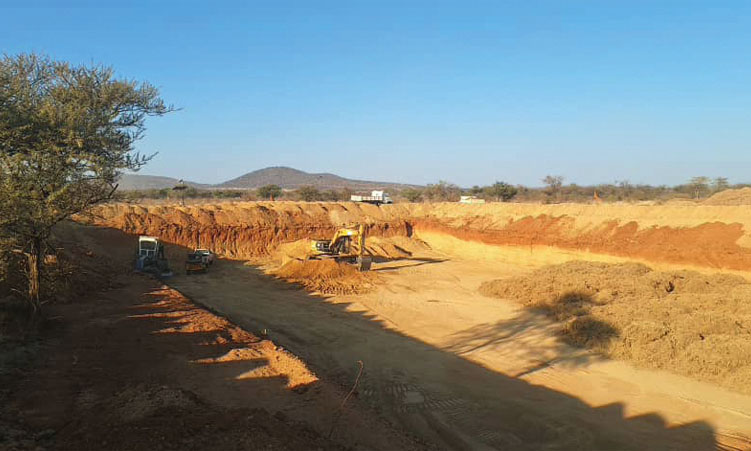
We looked for opportunities to apply this technology and Namibia popped up quickly. We found interested parties who told us about this opportunity with the encroaching bush. [The bush] needs to be removed and this biomass is currently just burned. We started with a smaller project last year to test out the technology and now have an offtake agreement that will enable us to scale much more and have both a positive climate impact and enable the removal of the encroaching bush.
Could you speak a little bit more about how this project benefits Namibian farmers or Namibia in general?
FS: What I’ve learned from the experts [in Namibia] is that taking this encroaching bush from farmers can tremendously increase their ways of using the land. They have more grassland, it holds more water, it’s more resilient towards both droughts and floods and it’s richer in biodiversity.
You signed a partnership with Senken to remove 50 000 tonnes of carbon within three years. Can you explain the partnership?
FS: How most project developers like us approach this [market] is to sell the carbon credits to the companies that require it. But the companies are not looking for individual credit types. They look for biomass storage credits, but they also want a little bit of biochar, maybe afforestation too, to be able to support a broader range of projects. This is where these brokers like Senken come in. Senken has direct customers and they will be offered credits.
This is a three year agreement, which could be extended. Senken is essentially securing credits that do not exist yet because you haven’t stored the biomass yet. What are your plans over the next three years?
FS: We have two projects already done on a farm between Otjiwarongo and Kalkveld. This offtake is phased, starting with around 5 000 tonnes for 2026.
For next year, we will most likely extend our scope to go to other locations, potentially in the north, but we have talked to interested partners in the south. The 50 000 tonnes will not all be in one location. It will be projects in the range of five to ten thousand tonnes each.
The agreement is a commitment until 2028, but with options to extend, so we will definitely need large project partners who have a lot of biomass available.
Are you still open to new partners?
FS: Yes, definitely. We are also looking to innovate the method of biomass harvesting. Currently, there is a mix between machine and hand harvesting, and various ways of processing the biomass. We are looking for innovative solutions to scale this up effectively and at a better price.
For countries like Namibia, who have very low emissions, what is the benefit of contributing to this carbon credit trading system?
FS: The carbon credits market is international. I think this can be a big opportunity for countries like Namibia, because carbon credits are essentially an export good that can create value inside the country. These projects can create jobs and financial opportunities. There is also the environmental aspect.