






New population estimates show that Namibia’s large carnivore species remain threatened despite the country’s strong position on conservation.
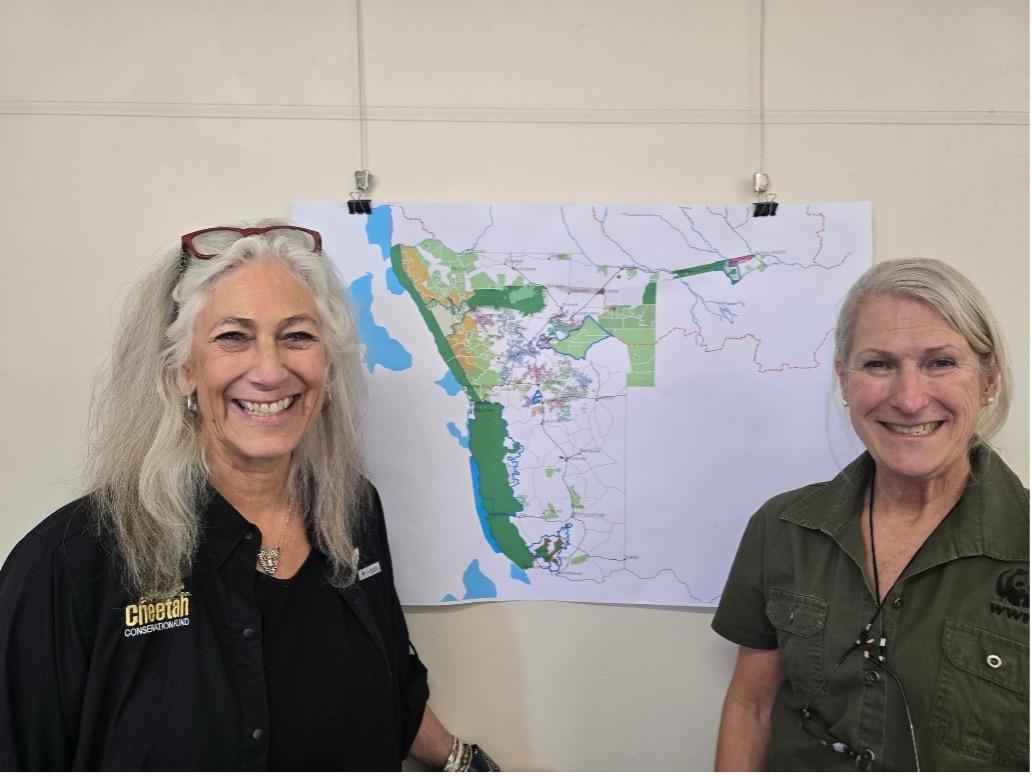
At a meeting of conservation associations last Friday, Cheetah Conservation Fund (CCF) scientist Tim Hoffman presented an overview of the populations of the country’s 34 carnivore species.
The country has 1 200 cheetahs, between 130 and 350 African wild dogs in 35 packs, and only around 12 desert-adapted coastal lions on the Skeleton Coast, Hoffman said.
“These updated figures are a warning and a call to action. Namibia remains a global stronghold for large carnivores, but their future depends on practical support for the farmers, conservancies, and communities who share the landscape with them,” CCF executive director Laurie Marker says in a press release on Monday.
Reducing human-wildlife conflict and continuing to monitor population data will be key to protecting large carnivore species, the Large Carnivore Management Association of Namibia (LCMAN) says.
In addition to counting populations and conflict incidents, the conservation associations say more practical training for communities is needed.
Conserving wildlife depends on cooperation between government, conservancies, researchers, hunting, farming and tourism, LCMAN says.
“The meeting showed that Namibia has the science, field experience and emerging finance tools to act.
“The priority now is to connect them through a coordinated national approach that reduces conflict and delivers measurable benefits for people and wildlife,” World Wildlife Fund (WWF) wildlife and landscapes programme director Pauline Lindeque says.
WWF co-hosted Friday’s meeting with LCMAN.