




Namibia’s projected economic growth rate is double what is forecast for South Africa for this year, and remains higher for 2027.
According to the International Monetary Fund (IMF), Namibia’s economy is projected to grow faster than South Africa’s in 2026, although both countries are expected to record growth below the sub-Saharan African average.
Namibia’s economy is forecast to grow by 2% in 2026 and 2.7% in 2027, while South Africa’s growth is projected at 1% in 2026.
The projections come as the IMF expects sub-Saharan Africa to grow by 4.5% in both 2026 and 2027 because of stronger performances in several resource-intensive economies.
However, Namibia’s growth remains below the regional average, because it is facing the challenge of translating economic activity into more jobs and better living conditions.
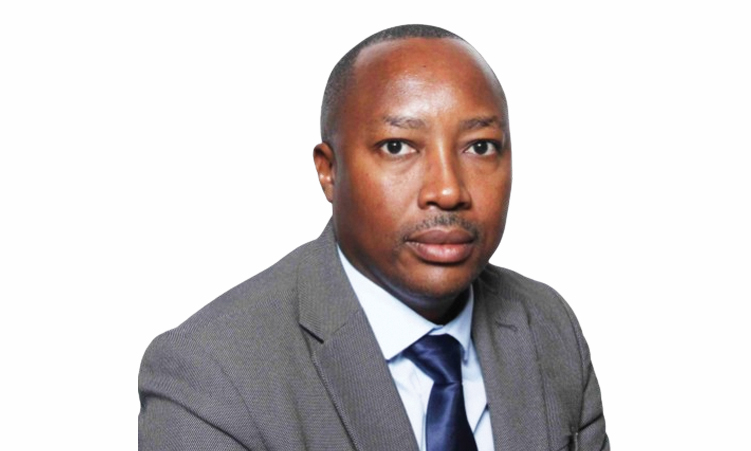
Economist Abraham Eita says the IMF projections will not reach the pockets of ordinary Namibian citizens.
“An economy can grow without creating enough jobs, increasing household incomes or improving people’s purchasing power,” says Eita.
He says Namibia must look beyond gross domestic product (GDP) growth, which measures the value of goods and services produced in the economy, to determine whether economic progress is reaching ordinary citizens.
Eita questions who benefits from economic growth, saying reported income figures and the country’s high levels of inequality raise concerns about how wealth is shared.
“When only 9.7% of Namibian adults reportedly earn above N$11 000 per month, it raises serious questions about who is actually benefiting from economic growth”.
The IMF says the region’s overall growth outlook masks significant differences between countries, with resource-intensive economies showing resilience while some non-resource-intensive economies are experiencing slower growth.
The fund attributes the region’s resilience partly to favourable export earnings in some countries, earlier economic reforms and adjustments made before the war in the Middle East.
Despite the positive regional outlook, the IMF warns that countries face risks from high debt-servicing costs, low foreign reserves and declining development aid.
“Risks remain decidedly tilted to the downside,” the IMF says, calling for continued fiscal adjustment and measures to protect vulnerable households from economic shocks.
The fund also urges governments to protect investment in productive sectors and create conditions that allow private businesses to grow.
In its June 2026 assessment of Namibia’s economy, the IMF says economic growth slowed to 1.7% in 2025, partly because of prolonged weakness in the diamond sector and slower oil exploration. Strong uranium production and activity in the services sector helped offset some of the decline.
The fund warns that Namibia’s economic growth remains insufficient to meaningfully reduce unemployment, inequality and poverty, with young people particularly affected by unemployment.
Although foreign investment linked to oil and gas exploration has supported the economy, the IMF says these gains have yet to translate into broad-based growth that creates jobs across different sectors.
The fund also identifies skills mismatches, regulatory barriers and limited economic diversification as obstacles to stronger growth and employment creation.