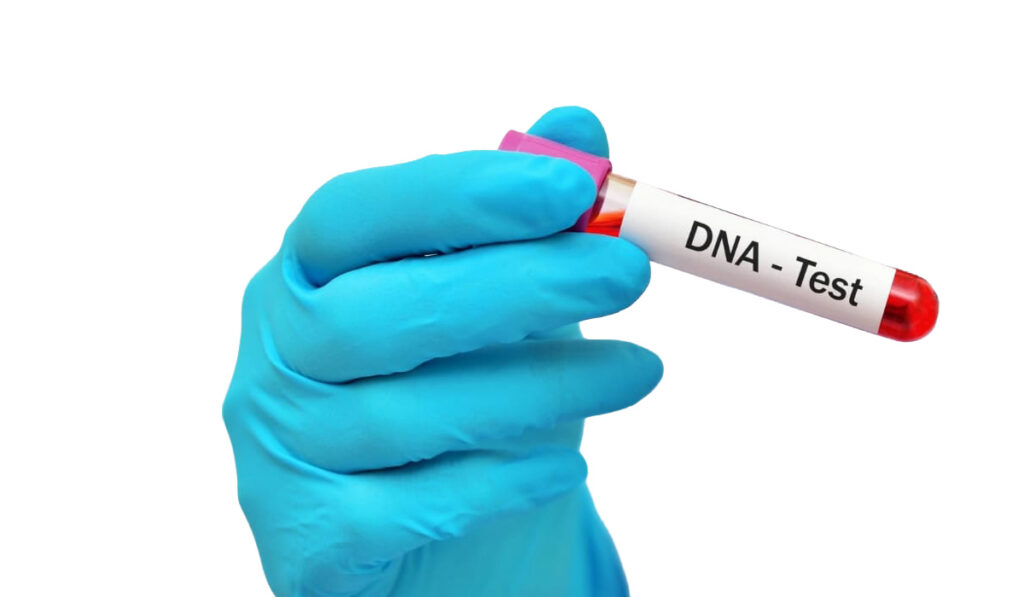
The Namibian Police Forensic Science Institute (NPFSI) is facing a significant backlog of 7 000 DNA cases, which impacts the country’s investigative and judicial capacities.
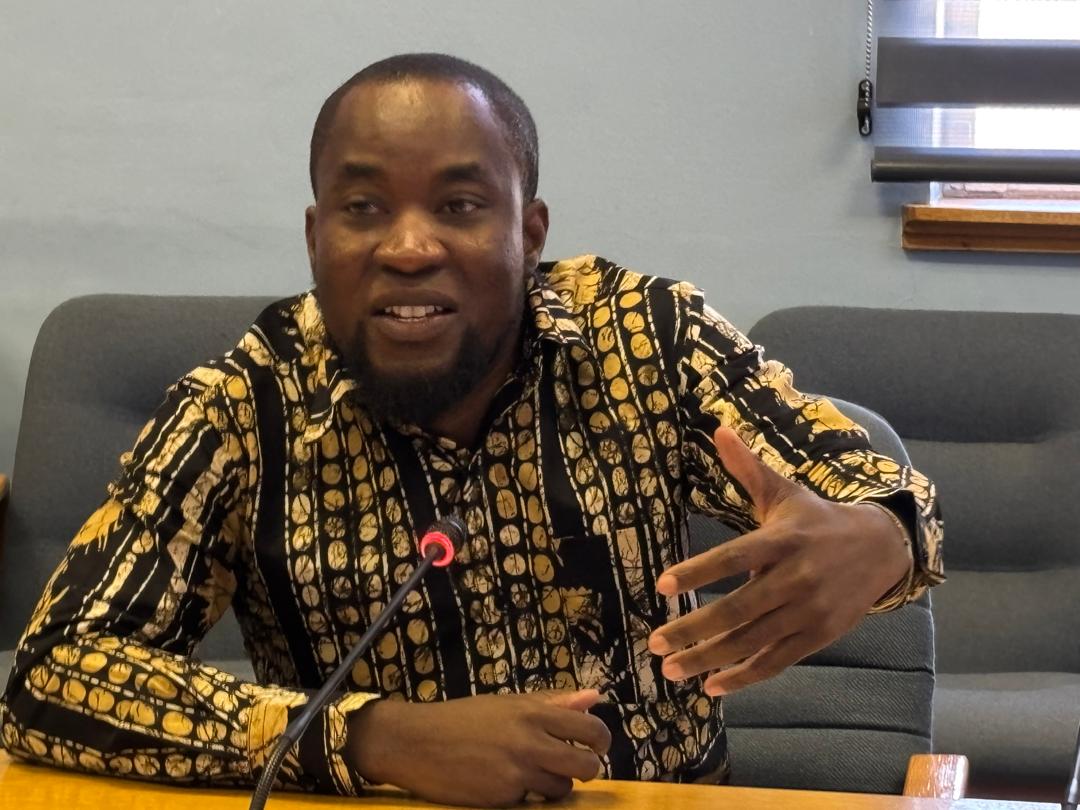
This was revealed by Namibian Police head of forensics commissioner Nelius Becker in a recent interview with Nampa regarding efforts to expedite DNA cases.
The backlog dates back to 2021, when over 4 300 DNA samples were reported, costing an estimated N$30 million annually to resolve.
According to Becker, challenges include underfunding, as the operational budget for the DNA division has been around N$3.5 million, while clearing the backlog requires over N$30 million.
Becker noted that the facility receives an average of 1 000 new cases quarterly, with a clearance rate exceeding 70% for incoming samples.
“We currently have a backlog of 7 000 cases on DNA. Apart from that, we receive on average per quarter (every three months) around 1 000 new cases, of which we complete above 70% per quarter,” he revealed.
Despite consistent output, the existing backlog of 7 000 cases indicates that the laboratory’s processing of new evidence is not keeping pace with the overall historic load.
Although Becker did not disclose data regarding specific prosecutions, he underscored the critical reliance of the courts on forensic evidence, highlighting that DNA analysis is imperative to the majority of cases brought before the bench, serving as a primary tool for substantiating allegations in murder and rape matters.
“While I do not have the exact statistics, the majority of rape and murder cases that featured in the high and other courts involve DNA analysis, and many high-profile cases rely on forensic evidence to support allegations,” he said.
He stated that a lack of funding has created a bottleneck in case resolutions, emphasising that scientific advancements are costly and require additional funds in enhancing the lab’s equipment.
“Science is expensive, and a lot of the instruments at the lab are near the end of their life and will need replacement. With sufficient budget, the sky is the limit,” he stressed.
He noted that the Scene of Crime Division conducts ongoing training and also trains first responders, typically police officers, to preserve and maintain the integrity of crime scenes.
“The Scene of Crime Division also reports under the NPFSI, and we also guide decentralised Scene of Crime Subdivision members on the front lines in the regions when and if they request our assistance,” he stated. Becker confirmed that the police are considering establishing laboratories in other regions, despite ongoing budget constraints for future expansion.
“Setting up these facilities is expensive due to the need for specialised layouts, equipment, trained personnel, and essential supplies for a fully operational laboratory. We are currently preparing the budget for future expansion.”
Namibia has previously sent samples to Canada and South Africa, but Becker emphasised that the country is self-sufficient in laboratory services and does not rely on foreign assistance.
“All DNA analysis for criminal cases and disaster victim identification is conducted at the NPFSI in Windhoek,” he noted.
He added that efforts are underway to reduce backlogs accumulated over many years due to underfunding, despite a limited budget.
– Nampa