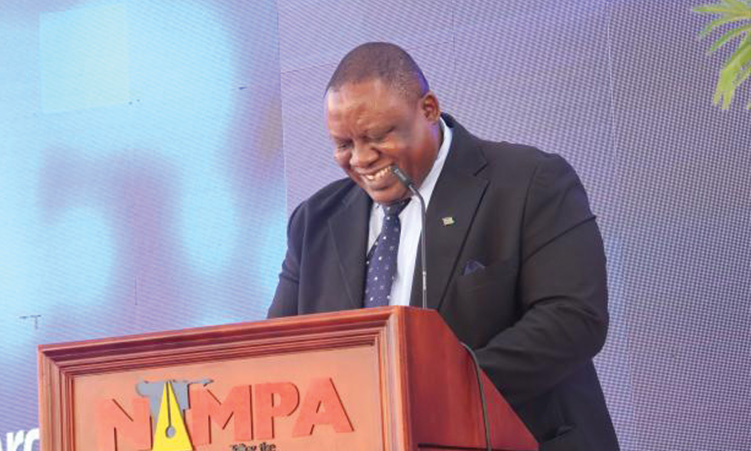




• FLORIAN DECKERSNAMIBIAN diplomats in Accra are struggling financially as a result of the recent national budget cuts and high costs of living in Ghana.
These were the findings of the parliamentary standing committee on foreign affairs delegation which visited the embassy in Accra in November last year.
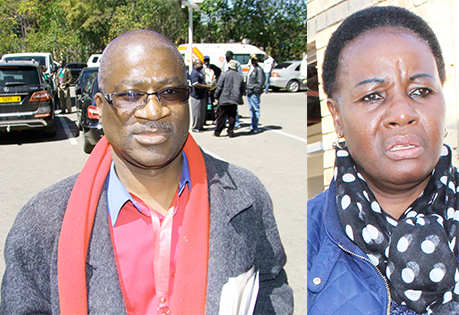
The delegation, consisting of three members of parliament, Agnes Kafula, Benson Kaapala and Hamunyera Hambyuka, as well as one staff member, recommended to buy the mission building currently being rented to resolve the “hardship” of the diplomats.
The lawmakers’ idea is to buy the property, as rent for a decent apartment in Accra goes up to US$1 600 (about N$22 370) per month, according to the delegation’s report.
“The Ministry of Finance should consider purchasing properties for the mission abroad, rather than renting them, as renting of properties is expensive and very costly to the government of Namibia,” the report, dated 22 November 2016, states.
The report also reveals that the mission’s staff are finding it difficult to afford the most basic things since the recent cuts in the national budget.
Furthermore, the lawmakers suggested purchasing power generators for the embassy.
This is due to power outages happening several times a day which damages electrical appliances of the mission, as well as the staff’s private devices.
The diplomatic mission was only established in February last year and at the time of the visit by the delegation the embassy’s car pool consisted of just two rental cars.
One of the rental cars, a station wagon, was assigned to the head of the diplomatic mission, Charles Josob, and the other minibus was used for visiting delegations.
A result of the lack of vehicles was that employees were forced to use public transport to take money to the bank.
This circumstance posed a high risk to the safety of the mission’s staff and a high risk of the money being stolen, according to the delegates.
Moreover, the water supply in Accra is very problematic.
Only 25% of the residents have constant access to water, while 30% of the people have access to water only for half of the day, five days of the week.
Another 35% can only get water from their taps two days a week, while the remaining 10% do not have access to tap water at all, the report states.
“The lack of clean drinking water and sanitation systems is a severe public health concern in Ghana,” states the report.
Hence, the diplomats have to buy a lot of drinking water, which is also very expensive.
This further deteriorates the already bad living conditions of the diplomats in Accra, who are struggling with their insufficient allowances, the report says.
Josob yesterday asked The Namibian to email him questions concerning the budget but did not reply.