



WORK to upgrade the gravel road behind the dunebelt between Walvis Bay and Swakopmund into a tarred double-sided highway has officially started.
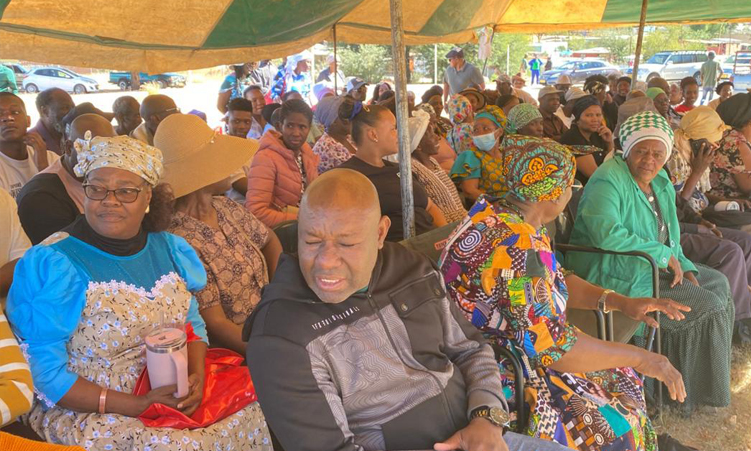
The ground-breaking ceremony of the N$960 million project fully funded by the taxpayer, took place near Swakopmund last Thursday, and was officiated by works minister Alpheus !Naruseb.
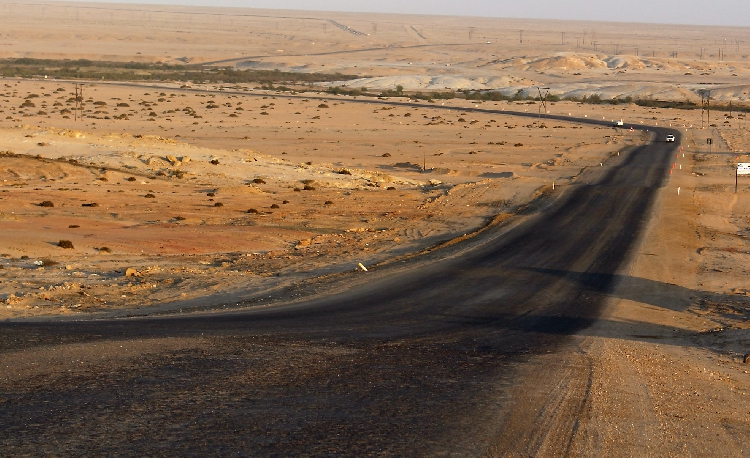
This first phase will include the tarring and upgrading into a double-lane highway of the C28, which becomes Main Road 44, also known as the ‘dune road’ between Swakopmund and Walvis Bay.
Roads Authority chief executive officer Conrad Lutombi told that a billion dollars will be spent on the second phase, which will include the upgrading of the B2 road (known as the coastal road) between the two towns.
The tender for the second phase has already been put out, and work should begin soon.
The total distance of both phases is about 100 kilometres. Currently, the ‘dune road’ has a salt and gravel surface. It will be tarred and become a double carriageway, mainly for heavy transport from the port of Walvis Bay.
The current coastal road, which is also considered the ‘road of death’ due to the many fatal accidents happening there, will also become a double carriageway.
The entire project worth nearly N$2 billion is set to be completed in three years.
The Roads Contractor Company (RCC) is the main contractor, with Chinese company Zhong Mei Engineering Group as subcontractor.
Last month, this newspaper reported on an announcement by the RA that about 700 kilometres of roads will be upgraded in the Erongo region to ensure quicker and less-congested traffic between bulk business centres as well as safer travelling for general motorists and foreigners driving in the region.
The current roads network is too old and limited to deal with the growing number of trucks to and from the port of Walvis Bay to other destinations in Namibia, and to neighbouring landlocked states on the main trans-corridors.
This also causes strain for general traffic, congesting the flow, especially on the B2 coastal road between Swakopmund and Walvis Bay, and so endangering lives.
!Naruseb said besides the safety and maintenance factors, the upgrades are also crucial to give Namibia a competitive economic edge.
“Our neighbours’ economies are also growing, and so put pressure on our infrastructure. This is why we must maintain it to ensure streamlined trade between our countries,” he noted.
He said just like other services such as electricity, water and communication are necessary to reach all Namibians, proper roads linking all communities, especially rural communities, were likewise crucial in Namibia’s socio-economic development.
He thus called on contractors to stick to the guidelines of the contract to ensure that projects are completed on time.
“It is disappointing when contractors do not stick to the guidelines, and only complete the projects long after the deadlines. This should be avoided,” he warned.
Work has already started on the first phase of the 403-kilometre Henties Bay, Uis, Khorixas and Kamanjab connection.
This phase should be completed by 2018.