



THE biggest beneficiaries of NamPower’s rural electrification project for 2016/17 were Ohangwena, Omusati and//Karas regions.
NamPower, together with the European Investment Bank (EIB), spent N$61 million on the rural electrification of 10 regions, including Oshikoto, Omaheke, Zambezi, Kunene, Kavango East and West as well as Hardap.
About N$40 million came from NamPower, while the EIB pumped N$21,6 million into the project.
According to the power utility’s 2017 annual report tabled in parliament a month ago, N$5,2 million went to Ohangwena region with an additional N$7,1 million coming from ECB.
NamPower also spent N$4,4 million for the rural electrification of Omusati region, with another N$14,5 million coming from the EIB.
//Karas region received the third largest funding of N$7,3 million, followed by Oshikoto at N$5,4 million.
According to the annual report, 70% of the budget was allocated to areas where regional electricity distributors (Reds) are operational, with the resulting infrastructure being donated by NamPower.
“The remaining 30% was allocated to areas without REDs, and the consequent infrastructure is capitalised on NamPower’s balance sheet,” it read.
The power utility stated that as per government’s plan, the main focus is remote areas as there is a greater demand for electricity.
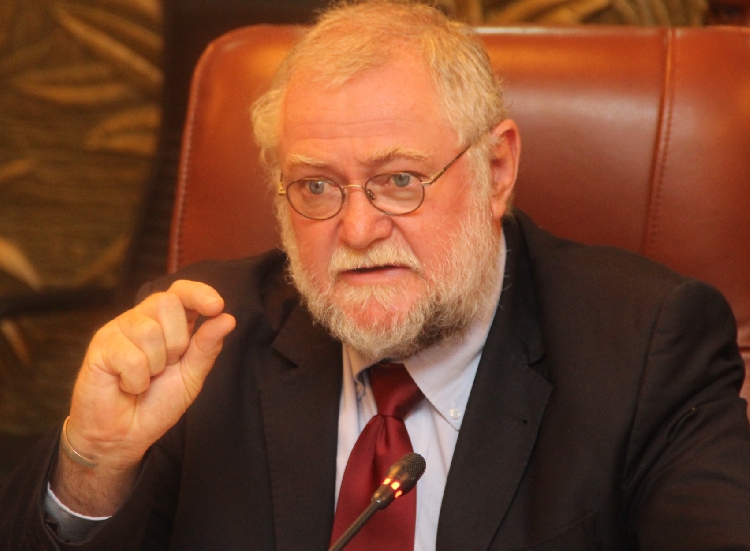
NamPower managing director Simson Haulofu said the challenge of not being able to supply bulk electricity from internal sources is still there and also pointed out that Namibia continues to depend on regional counterparts to service local demand.
Haulofu, however, said NamPower had cut electricity imports from 63% to 57% due to the integration of renewable energy into the national grid through the renewable energy feed-in-tariff (Retif) programme.
Haulofu encouraged independent power producers under the Retif programme to continue working tirelessly to bring their projects on board.
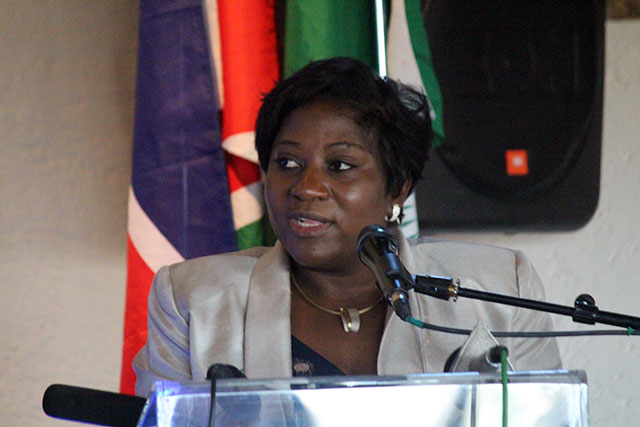
NamPower’s board chairperson, Kauna Ndilula, also said in the report the lack of a new baseload generation plant to ensure self-reliance of power supply continues to rank high on “our risk register”.
Ndilula said security of supply is a priority and the company is thus occupied with finalising a generation mix that will meet the expectations of security of supply within the next term of the board.
According to the fifth National Development Plan by 2015, nearly 75% of Namibians in urban areas enjoyed access to energy while only 24% had access to electricity in rural homes.
In this light, the NDP5, supported by President Hage Geingob’s Harambee Prosperity Plan, hopes to increase rural electrification from 34% to 50% by 2020.
A lack of electricity supply has been seen as a hurdle towards achieving industrialisation and eradicating poverty.