



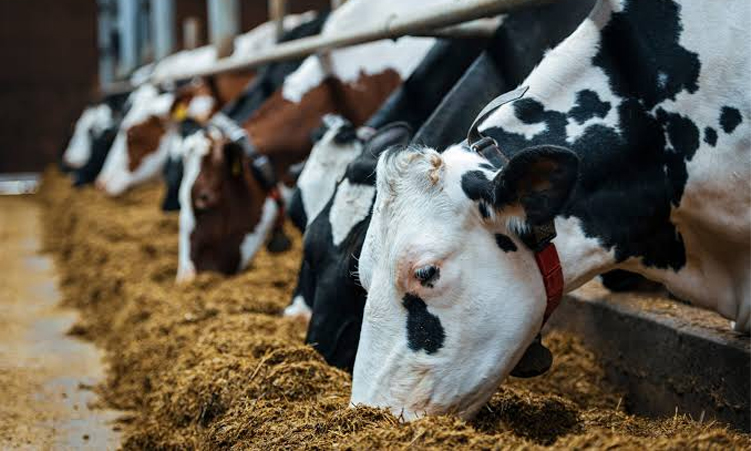
The Musese Green Scheme in the Kavango West region has launched animal feed production using crop residue to support local livestock and expand regional agricultural markets.
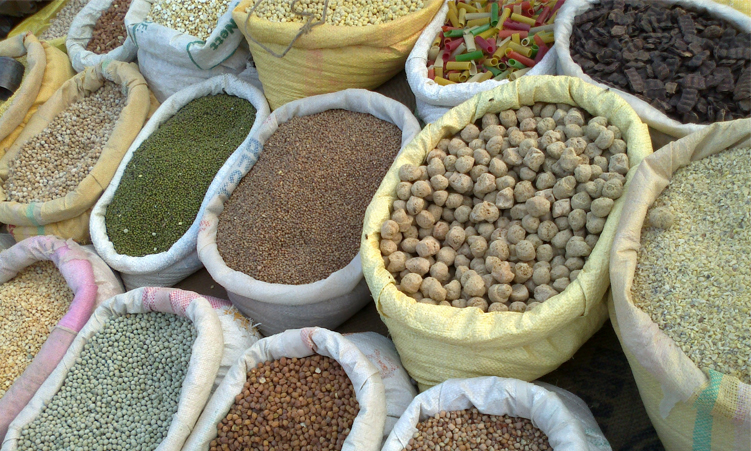
The scheme produces feed from dry grass, oats, maize crop residue, harvested maize remnants and mahangu stalks.
Winni Metzger, who operates the green scheme privately, says feed production started after the maize harvest ended last month.
“The animal feeds we produce are green chops, silage from green foliage crops and hay from dry grass, oats, maize and mahangu harvested stalks,” he says.
The feed is used for cattle, pigs and chickens. At the moment, only chicken feed is sold to the public, while the rest is mainly used to fatten cattle at the scheme.
Metzger says seeds for grass and oats are imported from South Africa, adding that the crops are irrigated using solar power because conventional electricity is too expensive for irrigating large areas.
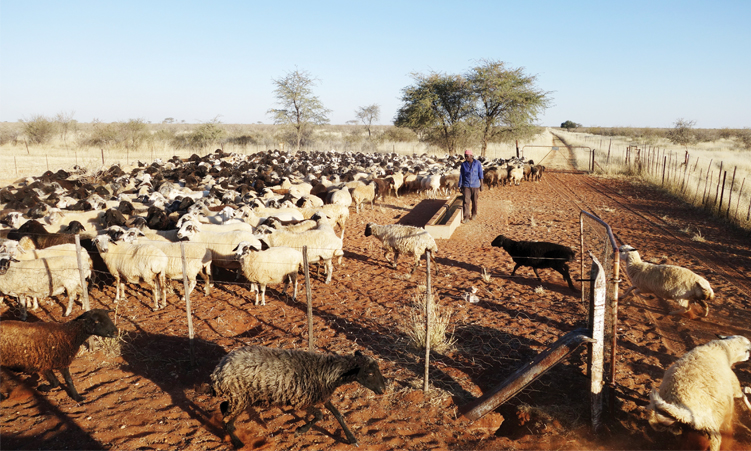
He has about 2 500 head of cattle, some of which are now grazing on the harvested fields at Musese.
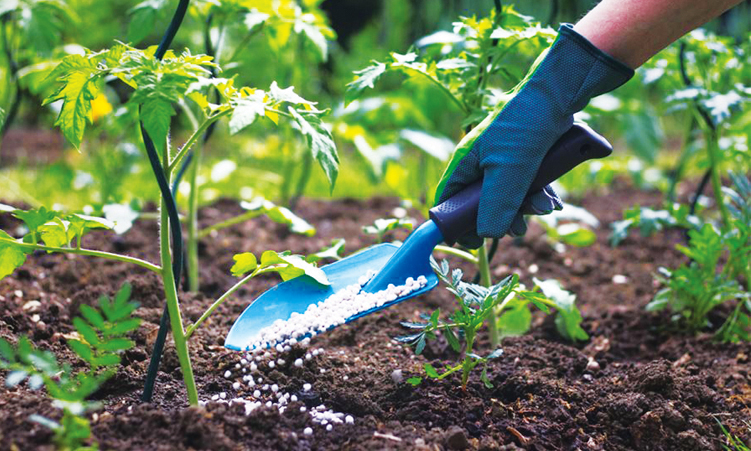
The cattle feed on crop stalks and remaining plants while their manure helps fertilise the soil.
Metzger says no additional lime has been applied to the fields because the lime applied in 2023 is expected to remain effective for between 10 and 20 years.
The animal feed operation forms part of a wider livestock and food business run by Metzger.
He buys cattle from local farmers, particularly at livestock auctions in the northern communal areas (NCAs).
Some of the cattle are slaughtered, and the meat is sold through his 15 Winnis Maize Shops across the country.
The shops also sell his branded maize meal and cooking oil produced at Kanyikama village, where Metzger lives.
He also supplies meat to butcheries and sells live cattle to people who need animals for events. Metzger says he is waiting for the implementation of the NCA Livestock Equalisation Fund, which he believes could help NCA farmers receive better prices for their cattle.
Metzger also wants to expand his livestock market through Meatco’s commodity-based trading system, which could allow him to supply cattle to markets south of the veterinary cordon fence (redline).
Under the commodity-based trading system, cattle are transported to a quarantine facility, vaccinated against foot-and-mouth disease and kept there for at least 30 days before they can enter approved markets.
Metzger says the lack of a quarantine facility in the area remains a challenge.
Transporting cattle to a facility outside the region would increase costs.
He plans to establish a quarantine facility at the Musese Green Scheme. Musese is one of Namibia’s oldest green schemes, inaugurated in 1977.