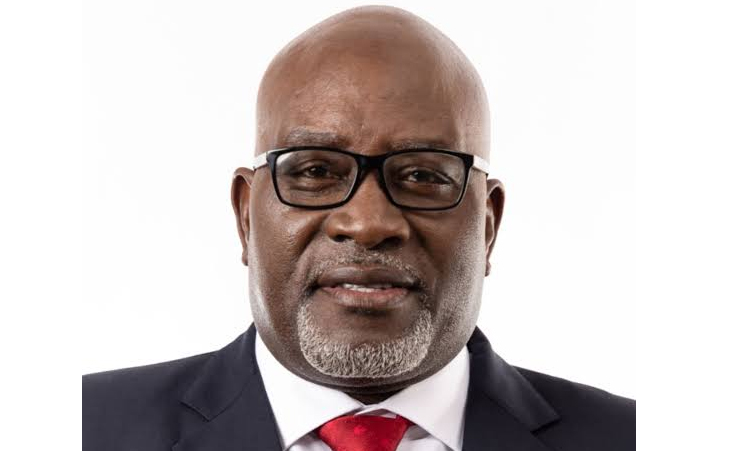




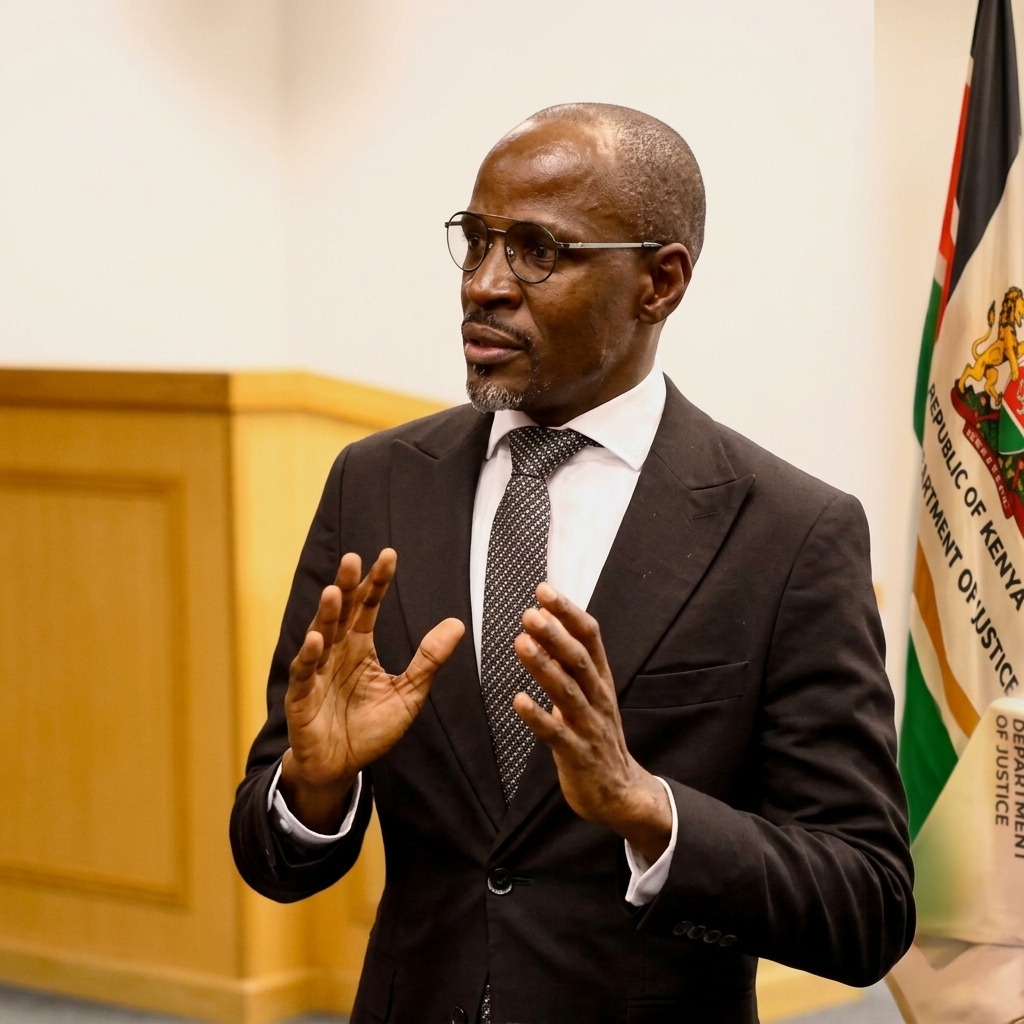
Justice and labour relations minister Wise Immanuel has questioned the practice of mothers naming their children, asking what culture allows a mother to name a child instead of the father.
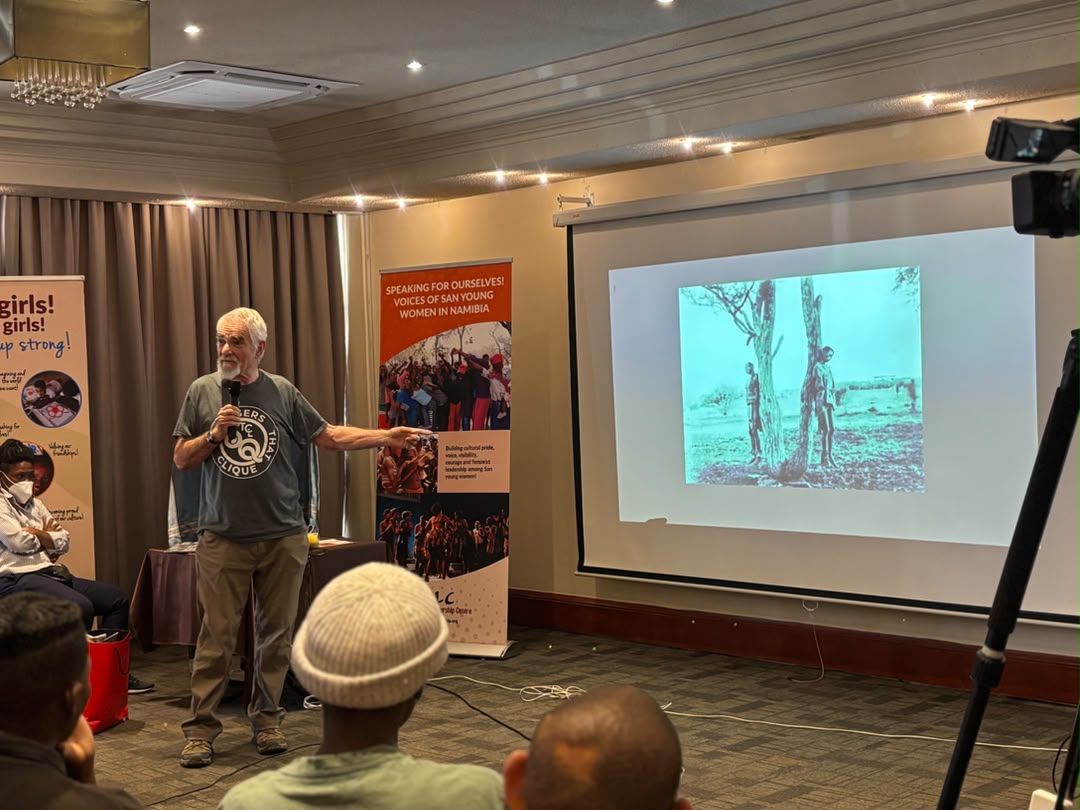
Immanuel raised the issue yesterday during a cultural event at the University of Namibia’s Ogongo campus in the Omusati region.
“We talk about this concept of gender equality and all those types of things. The babies’ fathers are no longer the ones giving them names. The mothers are the ones giving them names,” Immanuel said.
He questioned how such changes affect the relationship between fathers and their children, particularly when sometimes fathers feel excluded from decisions regarding their children.
“We are sending our own children into marriages to fight for naming children. Where is that culture coming from?” he asked.
Immanuel said society often questions fathers who distance themselves from their children without considering what may have contributed to that.
“When we see the fathers distancing themselves from their children, we are complaining. We are not asking what caused that confusion,” he said.
He suggested that some fathers may question their connection to a child when they are excluded from the naming process.
“The person is saying, ‘if I am not the one who named the child, it’s named by the mother, how is that child mine’?” Immanuel said.
The minister described these changes as part of what he called “cultural imperialism”, saying they are contributing to confusion in communities, particularly in marriages and relationships.
“We are confusing the cultures with cultural imperialism,” he said.
University of Namibia academic Petrus Mbenzi says women have also traditionally played a role in naming children, although the practice of naming a child is generally associated with the baby’s father or paternal family.
Quoting various authors, Mbenzi says a woman or nurse who assists a mother during childbirth can also name the baby based on the circumstances surrounding the child’s birth.
“Sometimes the mother and the father also give each other chances of naming babies,” Mbenzi says.
Masubia Traditional Authority senior councillor Raphael Mbala says in his culture, a child is named by both the parents’ families, usually by the grandparents.
“The mother cannot name the child. Where will she get the name from? Maybe a Christian name, but the traditional name, she can’t,” he says.