



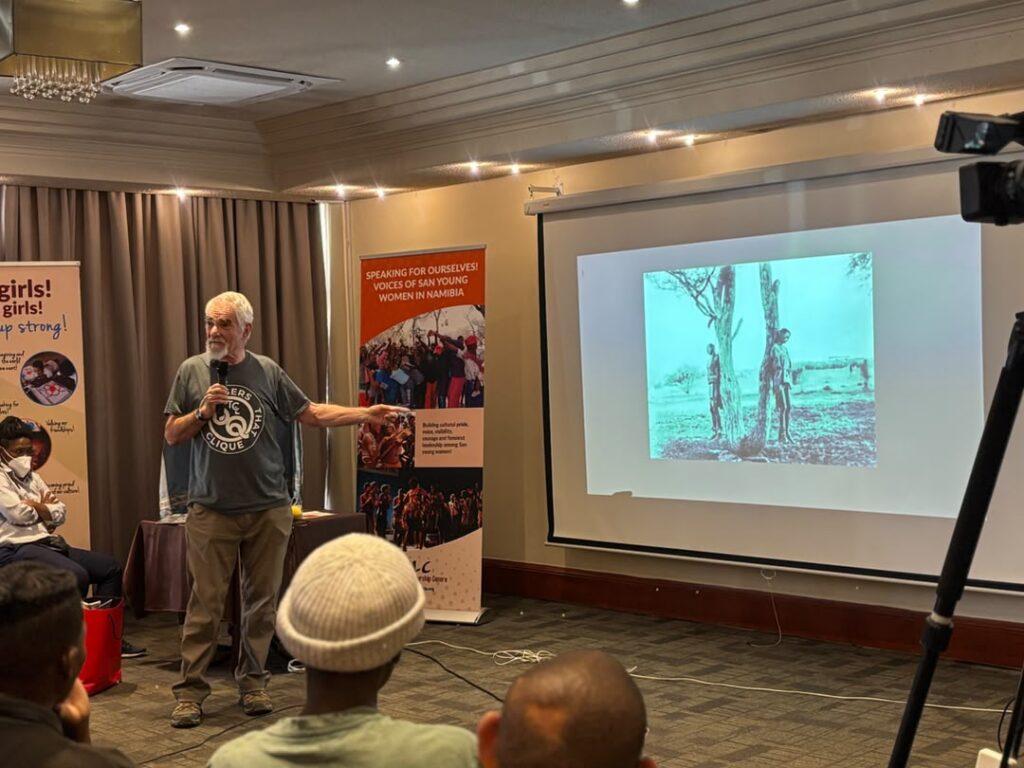
San community representatives have called for greater ownership of their history, culture and representation, saying the effects of genocide, land dispossession and displacement continue to affect generations.
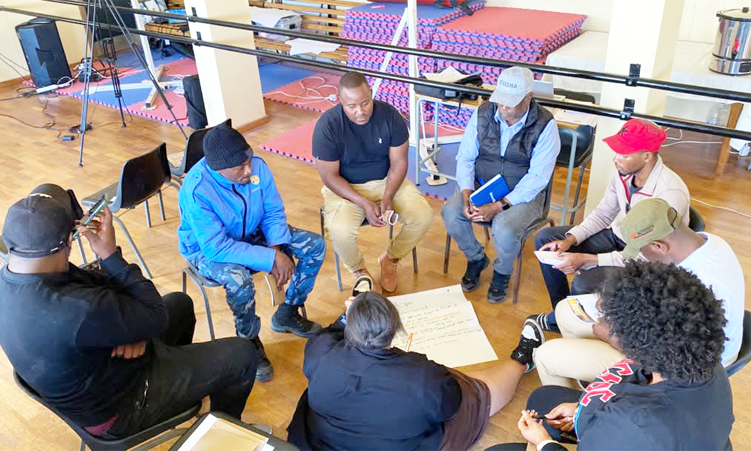
The call was made during a public discussion on the San genocide, generational trauma and healing, hosted by the Women’s Leadership Centre (WLC) in Windhoek on Tuesday.
The discussion brought together researchers, San community representatives, activists and the public to discuss how historical violence, the loss of land and traditional livelihoods continue to shape San communities.
‘The Bushman Myth Revisited: Genocide, Dispossession and the Road to Servitude’ author Robert Gordon says genocide should not be viewed as an isolated historical event.
“Genocide is not an event, but a process,” Gordon says.
San researchers presented findings from an oral history project in which elders were interviewed in their communities and own languages about conflict, displacement and cultural change.
Patricia Dinyando of Omega 1 says traditional practices demonstrated a strong relationship with the land and challenged stereotypes about San communities.
“We are not greedy people,” Dinyando says, adding that traditional hunting and harvesting practices were guided by knowledge aimed at protecting resources for future generations.
Appolia Dabe says the arrival of settlers, livestock and fences restricted access to land previously used for food, medicine and other resources, contributing to displacement and food insecurity.
Mathilde Ganses of Tsintsabis says traditional knowledge, culture and spirituality are being lost as some ritual spaces have become inaccessible to communities.
Kileni Fernando of //Ana-Djeh San Trust says San people should be involved in decisions affecting their development and representation.
“We are not ‘projects’ or ‘problems’ that need to be fixed,” Fernando says.
She calls for San people to become “the authors of our own representation” and equal partners in decisions affecting their communities.
The WLC says the discussion formed part of its ongoing work with San women, children and communities to strengthen cultural knowledge and pride, and create spaces for discussions on justice, identity and healing.